💰 Quick Win
Process Analyzer
Value Stream Mapping for Service Businesses
⏱️ 4 min read
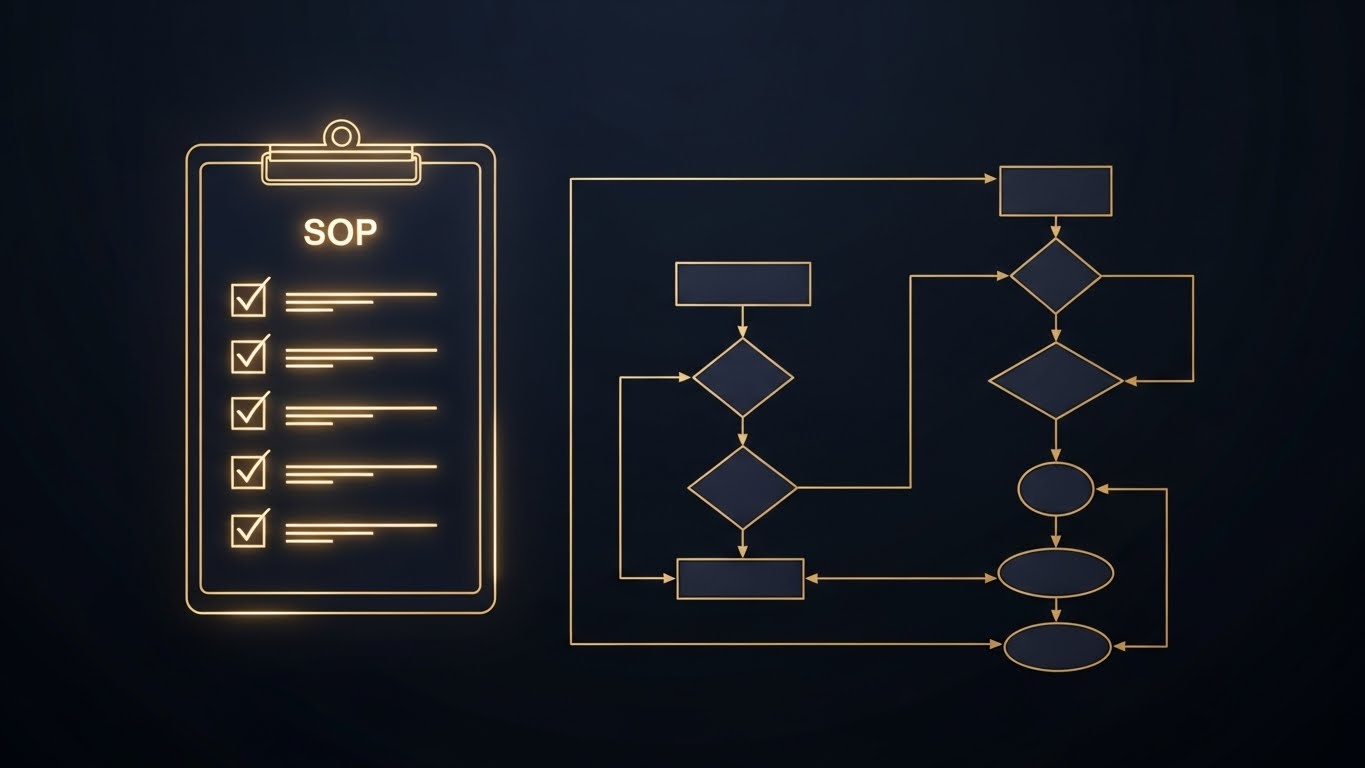
In 2026, service businesses face unprecedented pressure to deliver exceptional experiences at scale. Nearly 70% of customers report that a positive service experience influences their purchasing decisions as much as price, making process optimization more critical than ever.
Understanding Value Stream Mapping in Service Industries
Value stream mapping (VSM) is a lean management technique that visually represents the steps required to deliver a service to a customer. Unlike manufacturing, where VSM focuses on physical products, in service businesses, it highlights information flow, customer interactions, and the processes that create value. It’s about identifying bottlenecks, inefficiencies, and waste within your service delivery process, ultimately leading to improved customer satisfaction and increased profitability. Think of it as a blueprint for optimizing your service engine.
Why Map Your Service Value Stream?
Mapping your service value stream offers several key benefits:
- Identifies Waste: Reveals non-value-added activities, such as unnecessary approvals, redundant data entry, and lengthy wait times.
- Improves Communication: Creates a shared understanding of the entire service process among different teams.
- Enhances Customer Experience: Focuses on delivering value from the customer’s perspective, leading to increased satisfaction. Companies focusing on customer experience see, on average, a 10-15% increase in revenue year over year.
- Facilitates Process Improvement: Provides a visual roadmap for implementing changes and measuring their impact.
Creating Your Service Value Stream Map: A Step-by-Step Guide
Creating a VSM doesn’t require complex tools, though specialized software can certainly streamline the process. Here’s a practical approach:
- Define the Scope: Choose a specific service you want to map. Be specific; don’t try to map “all customer interactions” at once. Start with a high-impact service like onboarding new clients or resolving customer complaints.
- Assemble Your Team: Include representatives from all departments involved in the service delivery process. This ensures diverse perspectives and buy-in.
- Walk the Process: Physically or virtually follow the service from start to finish, observing each step and documenting the information flow.
- Draw the Current State Map: Use standard VSM symbols (or create your own, with a legend) to represent each process step, data transfer, wait times, and key metrics like processing time and accuracy.
- Analyze the Current State: Identify areas where waste exists. Look for delays, bottlenecks, rework, and unnecessary handoffs. 55% of service businesses report that internal communication breakdowns are a significant source of inefficiency.
- Design the Future State Map: Brainstorm improvements to eliminate waste and streamline the process. Focus on creating a leaner, more efficient service delivery model.
- Implement and Monitor: Put your improvements into action and track key metrics to measure their impact. Continuously refine the process based on your findings.
Leveraging AI and Automation for Value Stream Optimization
In 2026, AI and automation are playing an increasingly vital role in optimizing service value streams. AI-powered process mining tools can automatically analyze vast amounts of data to identify bottlenecks and inefficiencies that might be missed by manual mapping. Robotic Process Automation (RPA) can automate repetitive tasks, freeing up employees to focus on higher-value activities. For example, AI chatbots can handle routine customer inquiries, reducing wait times and improving customer satisfaction. The use of AI-driven solutions is projected to increase service business efficiency by 20-30% by the end of the year.
Examples of Value Stream Mapping Applications in Service Businesses
VSM isn’t just theory; it’s a practical tool applicable across various service industries:
- Healthcare: Mapping patient flow to reduce wait times and improve the patient experience.
- Financial Services: Streamlining loan application processes to speed up approval times and increase customer satisfaction.
- Software Development: Optimizing the software release cycle to deliver new features and bug fixes more quickly.
- Customer Support: Mapping the customer support process to reduce resolution times and improve customer satisfaction scores.
Frequently Asked Questions
What if my service process is highly variable?
Focus on mapping the most common scenarios first. Then, create variations of the map for different types of service requests or customer needs.
How often should I update my value stream map?
At least annually, or whenever significant changes are made to your service processes or customer needs. Continuous improvement is key.
What are common mistakes to avoid when creating a VSM?
Failing to involve all stakeholders, focusing solely on efficiency without considering customer value, and not regularly reviewing and updating the map.
Value stream mapping provides a powerful framework for optimizing your service delivery processes and creating exceptional customer experiences. By identifying waste and implementing targeted improvements, you can unlock significant gains in efficiency, profitability, and customer satisfaction. S. C. A. L. A. AI OS offers the AI-powered tools and automation capabilities you need to streamline your service operations and scale your business. Start your free trial today at app.get-scala.com/register and discover how S. C. A. L. A. can help you transform your service delivery.
Prova S.C.A.L.A. AI OS gratis per 30 giorni
Inizia Gratis →