💰 Quick Win
Process Analyzer
Six Sigma Basics for Small Business Process Improvement
⏱️ 5 min read
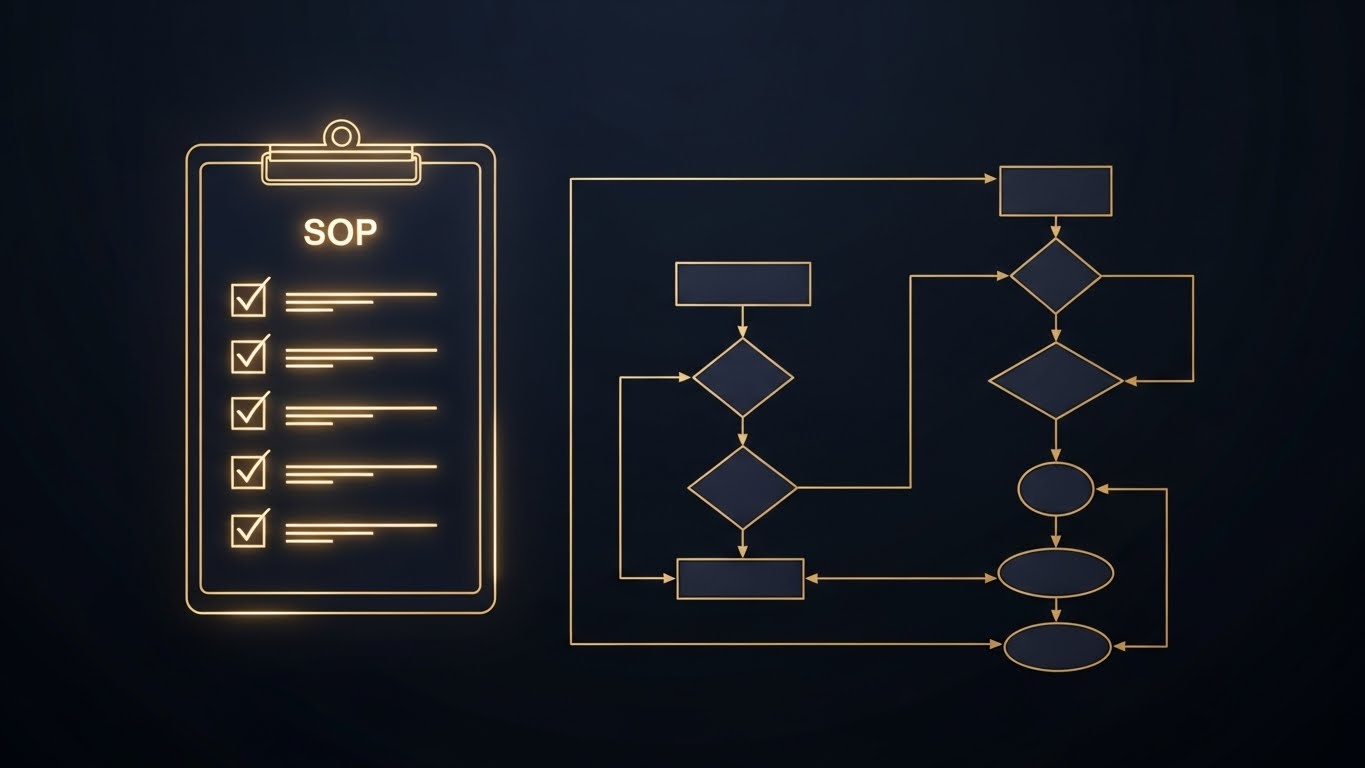
In today’s competitive landscape, small businesses can’t afford inefficient processes. Studies show that businesses with optimized processes experience a 20% increase in operational efficiency. Six Sigma offers a powerful framework to eliminate defects and streamline operations, transforming how SMBs achieve growth in 2026.
Understanding Six Sigma for SMBs
Six Sigma is a data-driven methodology focused on reducing variation and defects in any process – from order fulfillment to customer service. It’s not just for large corporations; SMBs can leverage its principles to improve quality, reduce costs, and boost customer satisfaction. The core principle revolves around achieving near-perfection, aiming for just 3.4 defects per million opportunities.
The DMAIC Framework
The DMAIC (Define, Measure, Analyze, Improve, Control) framework is the backbone of Six Sigma. Here’s how it applies to small businesses:
- Define: Clearly identify the problem. What process needs improvement? What are the goals? For example, are you aiming to reduce customer complaints by 15%?
- Measure: Collect data to understand the current performance of the process. What’s the baseline? How many defects are occurring? Many SMBs find that they are losing 10-20% of potential revenue due to inefficient workflows.
- Analyze: Identify the root causes of the defects. Why are they happening? Use tools like Pareto charts and fishbone diagrams to pinpoint the key factors. Often, the root cause turns out to be lack of standardized procedures.
- Improve: Develop and implement solutions to address the root causes. This might involve process changes, training, or new technology. Before implementing company-wide, pilot test your changes with a small group.
- Control: Establish measures to sustain the improvements. This includes monitoring the process to ensure the defects don’t return and updating standard operating procedures.
Benefits of Six Sigma for Small Businesses
Implementing Six Sigma principles offers a multitude of benefits for SMBs. These benefits directly impact the bottom line and contribute to sustainable growth.
- Reduced Costs: By eliminating waste and defects, Six Sigma lowers production costs and improves efficiency. A recent survey indicated that SMBs implementing Six Sigma saw an average cost reduction of 12%.
- Improved Customer Satisfaction: Higher quality products and services lead to happier customers and increased loyalty. Happy customers are more likely to leave positive reviews, which is crucial for SMBs.
- Increased Efficiency: Streamlined processes free up resources and allow businesses to focus on growth and innovation. 67% of SMBs report increased efficiency after implementing process improvement methodologies.
- Enhanced Employee Engagement: When employees are involved in process improvement, they feel more valued and engaged. This leads to higher morale and productivity.
Six Sigma Tools and Techniques for SMBs
While some Six Sigma tools can seem complex, several are easily adaptable for small businesses. These tools provide structured approaches to problem-solving and process improvement.
- Process Mapping: Visually represent the steps in a process to identify bottlenecks and areas for improvement.
- Cause-and-Effect Diagram (Fishbone Diagram): Identify the potential causes of a problem.
- Pareto Chart: Prioritize improvement efforts by focusing on the factors that have the biggest impact.
- Control Charts: Monitor process performance over time to identify variations and ensure stability.
Leveraging AI and Automation for Six Sigma in 2026
In 2026, AI and automation are playing an increasingly vital role in Six Sigma initiatives. AI-powered tools can analyze vast amounts of data to identify patterns and predict potential defects, far more efficiently than traditional methods. Automation can streamline data collection and reporting, freeing up human resources for more strategic tasks. For example, AI can automatically analyze customer feedback to identify common pain points, providing valuable insights for process improvement. Integrating these technologies into your Six Sigma efforts can accelerate your progress and achieve even greater results.
Practical Steps to Get Started with Six Sigma
Implementing Six Sigma doesn’t require extensive training or a huge investment. Here are some practical steps you can take to get started:
- Identify a Problem Area: Choose a specific process that is causing issues or inefficiencies.
- Form a Small Team: Involve employees who are directly involved in the process.
- Start Small: Focus on a pilot project to test the Six Sigma principles.
- Track Your Progress: Measure the impact of your changes and make adjustments as needed.
- Celebrate Successes: Recognize and reward employees for their contributions.
Common Pitfalls to Avoid
Avoid these common mistakes when implementing Six Sigma in your SMB:
- Lack of Management Support: Ensure that senior management is committed to the initiative.
- Poorly Defined Goals: Set clear and measurable goals for improvement.
- Insufficient Data: Collect enough data to accurately analyze the process.
- Resistance to Change: Communicate the benefits of Six Sigma to employees and address their concerns.
FAQ About Six Sigma for Small Businesses
What is the difference between Six Sigma and Lean?
Lean focuses on eliminating waste, while Six Sigma focuses on reducing variation and defects. They are often used together as complementary methodologies.
How much does it cost to implement Six Sigma?
The cost varies depending on the scope of the project and the level of training required. SMBs can start with simple tools and techniques without significant investment.
Is Six Sigma only for manufacturing companies?
No, Six Sigma can be applied to any industry or business function, including service, retail, and healthcare.
By embracing Six Sigma principles, small businesses can unlock significant improvements in efficiency, quality, and customer satisfaction. It’s about creating a culture of continuous improvement and using data to drive decision-making. To help you navigate the complexities of process optimization and achieve scalable growth, consider exploring S. C. A. L. A. AI OS. Our platform provides the intelligent automation tools you need to identify bottlenecks, streamline workflows, and achieve Six Sigma-level results. Start your free trial today at app.get-scala.com/register.
Prova S.C.A.L.A. AI OS gratis per 30 giorni
Inizia Gratis →