💰 Quick Win
Process Analyzer
Process Optimization for Customer Support Operations
⏱️ 4 min read
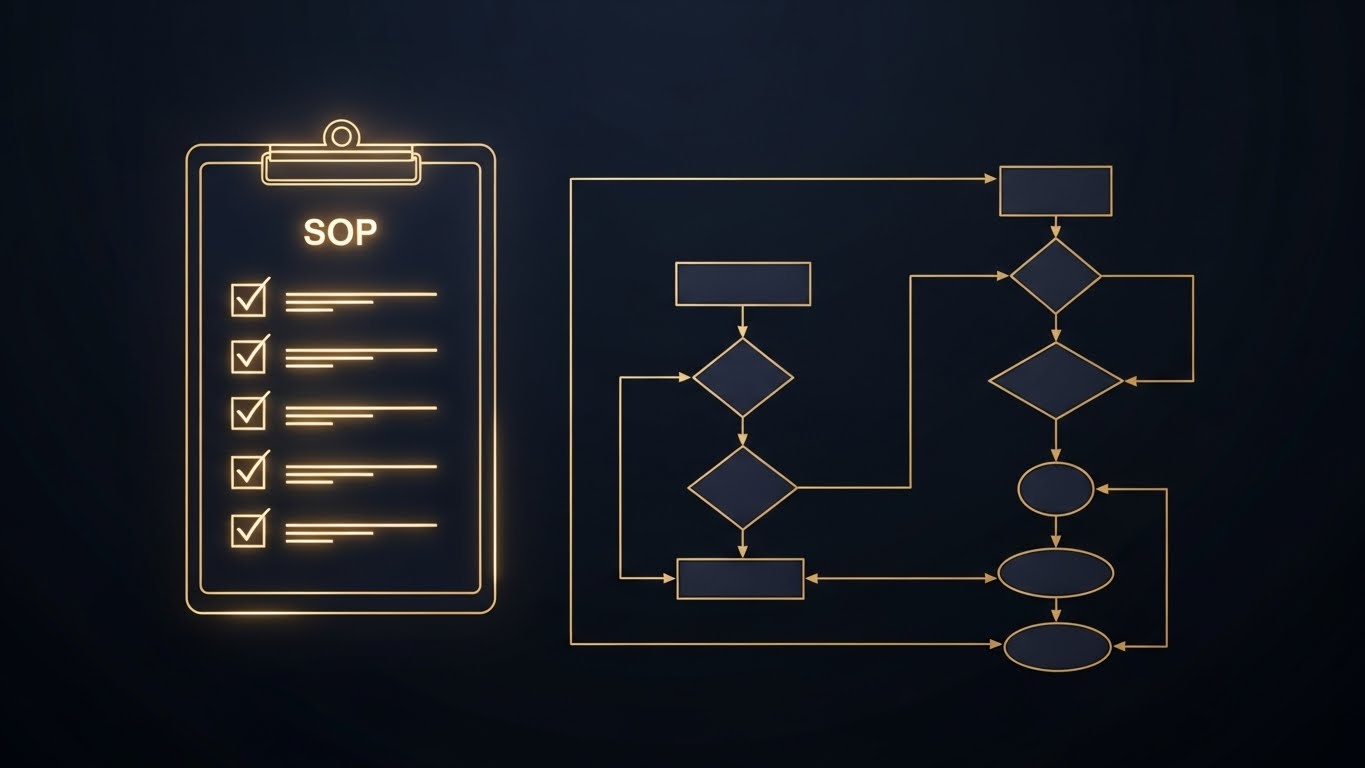
In 2026, exceptional customer support isn’t just a nice-to-have; it’s a competitive differentiator. Studies show that 84% of customers value service as much as product quality, meaning streamlined support processes directly impact your bottom line. Let’s dive into optimizing your customer support operations for maximum efficiency and satisfaction.
Understanding and Mapping Your Current Support Processes
Before you can optimize, you need to understand. Start by meticulously mapping your existing customer support processes. This involves identifying every touchpoint, from initial contact to resolution and follow-up. Don’t rely on assumptions; gather data. Analyze call logs, chat transcripts, and email records to identify bottlenecks and areas for improvement. In 2026, process mapping tools often integrate with AI to automatically identify inefficiencies and predict future support needs.
Identifying Key Performance Indicators (KPIs)
KPIs are the compass guiding your optimization efforts. Common KPIs for customer support include:
- First Contact Resolution (FCR): The percentage of issues resolved during the initial interaction. Aim for at least 70%.
- Average Handle Time (AHT): The average time spent handling a customer interaction. Reducing AHT without sacrificing quality is crucial.
- Customer Satisfaction (CSAT): Measured through surveys, CSAT reflects overall customer happiness. Strive for a score of 4.5 out of 5 or higher.
- Net Promoter Score (NPS): Gauges customer loyalty and willingness to recommend your business. A high NPS indicates strong customer advocacy.
Regularly track and analyze these KPIs to identify trends and measure the impact of your optimization efforts. Ignoring these metrics is like driving blind.
Leveraging AI and Automation for Efficiency
AI and automation are no longer futuristic concepts; they’re essential tools for modern customer support. 67% of SMBs report that AI-powered chatbots have significantly reduced their support workload. Implementing these technologies can dramatically improve efficiency and customer satisfaction.
- AI-Powered Chatbots: Handle routine inquiries, provide instant answers, and route complex issues to human agents.
- Automated Ticket Routing: Automatically assign tickets to the most appropriate agent based on skills and availability.
- Predictive Analytics: Anticipate customer needs and proactively offer solutions, reducing reactive support requests.
- Knowledge Base Automation: AI can analyze support tickets to identify trending issues and automatically update the knowledge base with relevant articles, empowering self-service.
Remember, automation isn’t about replacing human agents; it’s about empowering them to focus on complex, high-value interactions. Consider integrating AI-driven sentiment analysis to prioritize urgent cases and provide agents with real-time insights into customer emotions.
Optimizing Agent Training and Empowerment
Even with the best technology, your agents are your most valuable asset. Invest in comprehensive training programs that equip them with the knowledge and skills to handle a wide range of customer issues. Empower them to make decisions and resolve issues independently, reducing the need for escalation. According to a recent study, companies that empower their customer support agents see a 15% increase in customer satisfaction scores. Provide ongoing training to keep agents up-to-date on new products, services, and support processes. Implement a robust knowledge management system to ensure agents have quick access to the information they need.
Frequently Asked Questions (FAQs)
How can I measure the ROI of my customer support optimization efforts?
Track your KPIs before and after implementing changes. Look for improvements in FCR, AHT, CSAT, and NPS. Additionally, monitor cost savings from automation and increased agent productivity. Compare the investment in optimization with the resulting gains in revenue and customer loyalty.
What are the biggest challenges in optimizing customer support processes?
Common challenges include resistance to change, lack of data, insufficient budget, and difficulty integrating new technologies with existing systems. Overcoming these challenges requires strong leadership, a clear vision, and a phased approach.
How often should I review and update my customer support processes?
At least quarterly. Customer needs and expectations are constantly evolving. Regularly review your processes, gather feedback from agents and customers, and make adjustments as needed. In the fast-paced world of 2026, agility is key.
Optimizing customer support operations is an ongoing journey, not a destination. By understanding your current processes, leveraging AI and automation, empowering your agents, and continuously monitoring your KPIs, you can create a customer support experience that drives loyalty and fuels business growth. S. C. A. L. A. AI OS provides the intelligent automation tools you need to streamline your support processes and scale your business. Start your free trial today at app.get-scala.com/register.
Prova S.C.A.L.A. AI OS gratis per 30 giorni
Inizia Gratis →