💰 Quick Win
Process Analyzer
Process Mining: Using Data to Discover Real Workflows
⏱️ 5 min read
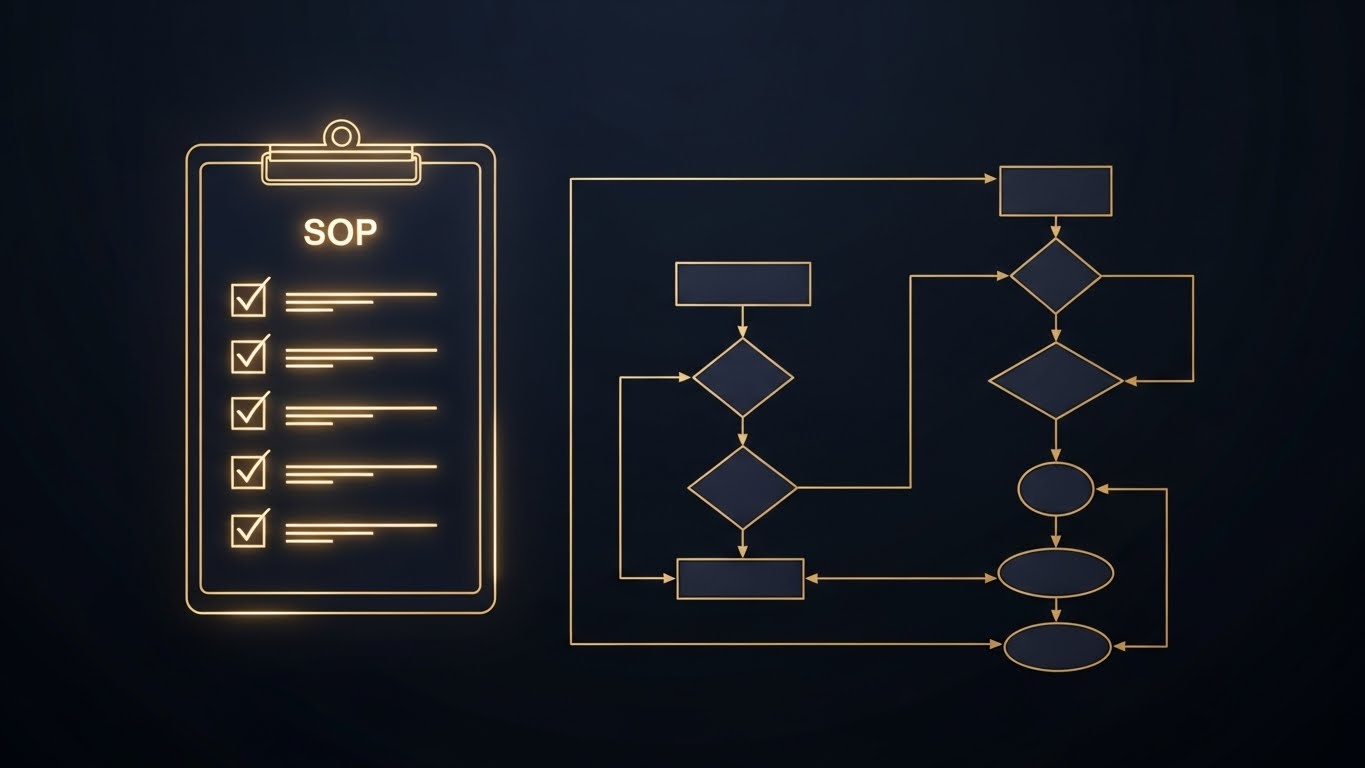
In 2026, knowing how your business really operates is more crucial than ever. Process mining, a powerful tool leveraging data to reveal actual workflows, is helping SMBs uncover hidden inefficiencies and unlock significant growth potential; research shows that businesses implementing process mining see an average of 15-20% improvement in operational efficiency.
Understanding Process Mining: Beyond the Blueprint
Process mining isn’t just about visualizing documented processes. It’s about reconstructing workflows based on the digital footprints left behind in your systems – ERP, CRM, accounting software, and even email. This allows you to see how tasks are actually performed, not how you *think* they’re performed. Think of it as the X-ray vision for your business processes, revealing bottlenecks and deviations that would otherwise remain invisible.
What Data is Needed for Process Mining?
The key ingredients are event logs. These logs, generated by your business systems, contain three crucial pieces of information: the case ID (e.g., order number, customer ID), the activity performed (e.g., order placed, invoice sent), and the timestamp (when the activity occurred). The more granular and comprehensive your data, the richer and more accurate your process map will be. Many modern systems, particularly those utilizing AI-driven automation, automatically generate detailed and structured event logs optimized for process mining.
Unlocking Value: Benefits and Applications
The benefits of process mining extend far beyond simply understanding your workflows. It’s a strategic tool for continuous improvement and driving tangible business outcomes. Companies using process mining report a 10-15% reduction in operational costs, primarily through identifying and eliminating waste.
- Efficiency Gains: Identify and eliminate bottlenecks, rework loops, and unnecessary steps in your processes.
- Compliance Monitoring: Ensure your processes adhere to internal policies and external regulations. Process mining can flag deviations and potential compliance breaches in real-time.
- Automation Opportunities: Pinpoint repetitive tasks that can be automated, freeing up your team for higher-value activities. With the rise of AI-powered Robotic Process Automation (RPA), this is a major area of focus.
- Customer Experience Improvement: Understand how your processes impact the customer journey and identify areas for improvement.
Consider a common example: order fulfillment. Process mining can reveal that a significant percentage of orders are delayed due to a specific approval step or a particular employee being consistently overloaded. Addressing these issues directly improves efficiency and customer satisfaction. In fact, 62% of SMBs report that better process optimization directly leads to improved customer retention.
Implementing Process Mining: A Practical Guide
Getting started with process mining doesn’t require a massive overhaul. Here’s a step-by-step approach to guide your implementation:
- Define Your Scope: Start with a specific process you want to analyze (e.g., order fulfillment, invoice processing, customer onboarding). Don’t try to tackle everything at once.
- Identify Data Sources: Determine which systems contain the relevant event logs for your chosen process.
- Extract and Prepare Data: Extract the event logs and clean the data. This often involves standardizing activity names and ensuring data quality. (Note: S. C. A. L. A. AI OS simplifies this step with automated data extraction and cleaning.)
- Analyze and Visualize: Use process mining software to analyze the data and create process maps. Look for bottlenecks, deviations, and areas for improvement.
- Implement Changes: Based on your analysis, implement changes to your process. This might involve streamlining steps, automating tasks, or providing additional training.
- Monitor and Iterate: Continuously monitor your processes to ensure your changes are effective and identify new opportunities for improvement.
The Role of AI and Automation
In 2026, AI and automation are integral to successful process mining. AI-powered process mining tools can automatically identify process variants, detect anomalies, and even predict future process behavior. This allows you to proactively address potential issues before they impact your business. Furthermore, the integration of RPA with process mining enables closed-loop automation – identifying automation opportunities and then automatically implementing and monitoring those automations. 78% of companies are exploring AI-driven process mining to gain deeper insights and accelerate process optimization initiatives.
FAQ: Process Mining Essentials
What if my systems don’t generate event logs?
While native event logs are ideal, some systems may require custom scripting or data extraction to generate the necessary data. Consider upgrading to systems with built-in event logging capabilities.
How much does process mining cost?
Costs vary depending on the software and the complexity of your processes. Cloud-based solutions often offer subscription-based pricing, making it accessible for SMBs.
How long does it take to see results?
You can often see initial insights within weeks of implementing process mining. However, the full benefits are realized over time as you continuously monitor and optimize your processes.
Process mining is no longer a luxury; it’s a necessity for SMBs looking to thrive in today’s competitive landscape. By leveraging data to understand your real workflows, you can unlock significant efficiency gains, improve customer experiences, and drive sustainable growth. S. C. A. L. A. AI OS provides a comprehensive platform for process mining, automation, and AI-driven insights, empowering you to transform your business. Start your free trial today at app.get-scala.com/register and discover the power of data-driven process optimization.
Prova S.C.A.L.A. AI OS gratis per 30 giorni
Inizia Gratis →