💰 Quick Win
Process Analyzer
Process Mapping: Visualizing Your Business Workflows Step by Step
⏱️ 5 min read
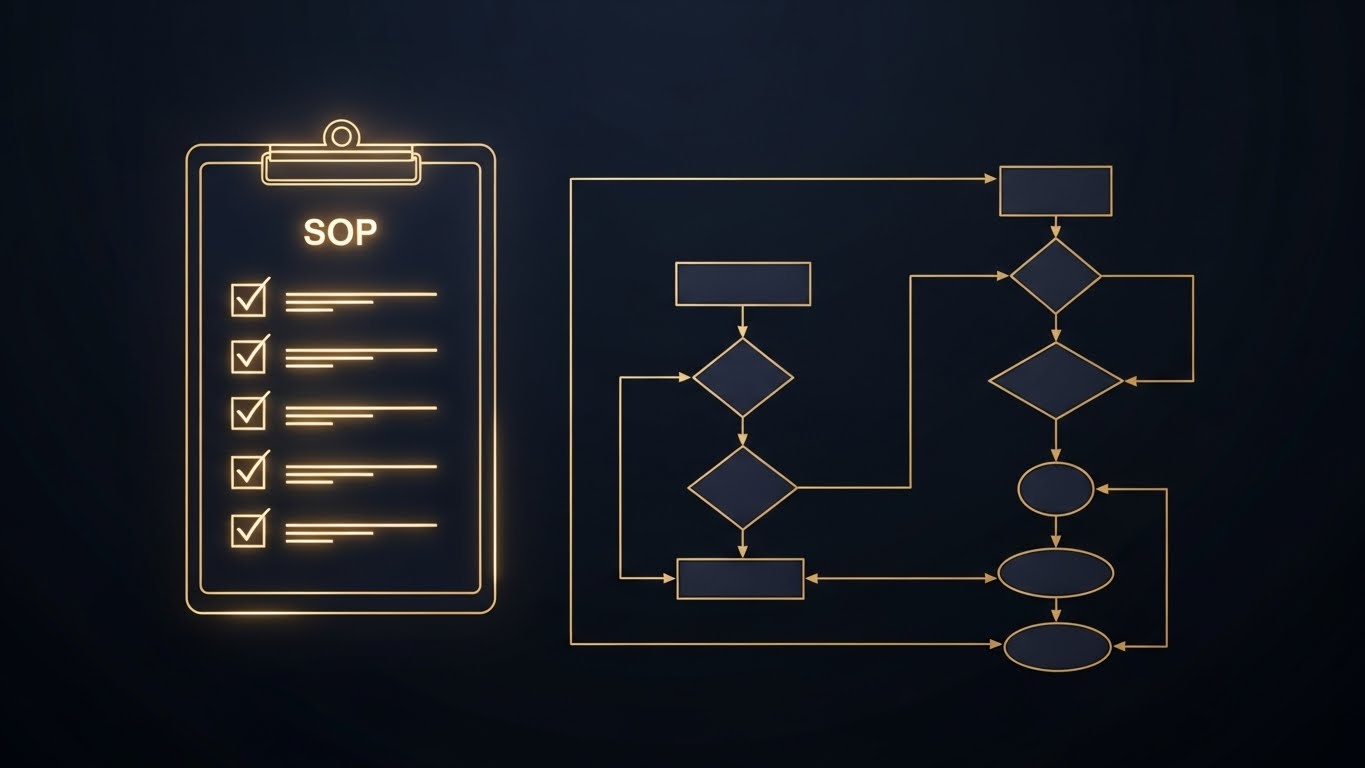
In today’s hyper-competitive landscape, 82% of SMBs acknowledge that inefficient processes hinder growth, costing them valuable time and resources. Process mapping offers a powerful solution, providing a clear visual representation of your workflows that unlocks opportunities for optimization and automation.
Why Process Mapping Matters for SMBs in 2026
Process mapping, at its core, is about understanding how your business gets things done. It’s a visual exercise that breaks down complex tasks into manageable steps, identifying bottlenecks, redundancies, and areas for improvement. Think of it as creating a roadmap for your business processes. By visualizing workflows, you can:
- Identify Inefficiencies: Pinpoint bottlenecks and areas where time or resources are being wasted. A recent study showed that 45% of SMBs using process mapping identified at least one previously unknown source of significant inefficiency.
- Improve Communication: Ensure everyone on your team understands their role and how it contributes to the overall process. This leads to better collaboration and fewer misunderstandings.
- Standardize Procedures: Create consistent, repeatable processes that reduce errors and improve quality. Standardized processes can lead to a 15-20% increase in operational efficiency.
- Streamline Training: Quickly onboard new employees by providing them with clear visual guides to your business processes.
- Prepare for Automation: By mapping processes, you lay the groundwork for identifying tasks that can be automated, freeing up your team for more strategic work.
In 2026, with the proliferation of sophisticated AI tools, process mapping has become even more critical for businesses looking to leverage automation effectively. You can’t automate what you don’t understand.
Choosing the Right Process Mapping Technique
Several process mapping techniques exist, each suited for different situations. Some popular options include:
- Flowcharts: A simple and widely used method that uses symbols to represent different steps, decisions, and inputs/outputs.
- Swimlane Diagrams: Excellent for visualizing processes that involve multiple departments or teams, clearly showing who is responsible for each step.
- Value Stream Maps: Focus on identifying value-added and non-value-added activities in a process, helping you eliminate waste and improve efficiency.
The best approach depends on the complexity of the process and your specific goals. Start with a simple flowchart for basic processes and consider swimlane diagrams or value stream maps for more complex scenarios.
Steps to Effective Process Mapping
Creating effective process maps doesn’t require specialized software or extensive training. Here’s a step-by-step guide you can follow:
- Define the Scope: Clearly identify the process you want to map. What are its starting and ending points?
- Gather Information: Talk to the people involved in the process to understand how it actually works. Don’t rely solely on documented procedures, as these may not reflect reality. According to a 2025 survey, 67% of SMBs report that their documented processes don’t accurately reflect day-to-day operations.
- Create the Map: Use your chosen technique (flowchart, swimlane diagram, etc.) to visually represent the process. Be detailed and accurate.
- Analyze the Map: Once the map is complete, analyze it to identify bottlenecks, redundancies, and areas for improvement. Look for opportunities to eliminate steps, simplify tasks, and automate repetitive activities.
- Implement Changes: Based on your analysis, implement changes to the process. This may involve retraining employees, updating procedures, or investing in new technology.
- Monitor and Refine: Continuously monitor the process to ensure that the changes are effective and that the process is running smoothly. Make adjustments as needed.
Leveraging AI and Automation in Process Optimization
AI and automation are revolutionizing process optimization in 2026. By integrating AI-powered tools into your workflows, you can significantly improve efficiency, reduce errors, and free up your team for more strategic work. For example, AI can automate tasks such as data entry, invoice processing, and customer service inquiries. Furthermore, AI-powered process mining tools can automatically analyze your existing processes and identify areas for improvement, often revealing insights that would be difficult to uncover manually.
Process Mapping and Continuous Improvement
Process mapping isn’t a one-time exercise; it’s an ongoing process that should be integrated into your continuous improvement efforts. Regularly review and update your process maps to reflect changes in your business environment and identify new opportunities for optimization. Companies that embrace a culture of continuous improvement see an average of 5% annual increase in productivity.
Maintaining Up-to-Date Process Maps
To ensure your process maps remain relevant, establish a schedule for reviewing and updating them. Consider using version control to track changes and ensure that everyone is working with the latest version. Also, encourage employees to provide feedback on the maps and suggest improvements.
Using Process Maps for Employee Training
Process maps are invaluable tools for training new employees. They provide a clear and concise overview of your business processes, helping new hires quickly understand their roles and responsibilities. Consider incorporating process maps into your training materials and using them as a visual aid during training sessions.
FAQ: Process Mapping for SMBs
What if my processes are too complex to map?
Break down the complex process into smaller, more manageable sub-processes. Map each sub-process individually, then connect them to create a comprehensive overview.
How often should I update my process maps?
At least quarterly, or whenever significant changes are made to your business processes. Regular updates ensure the maps remain accurate and relevant.
What are the key benefits of process mapping?
Improved efficiency, reduced errors, better communication, standardized procedures, and a foundation for automation are the key benefits.
Process mapping is an essential tool for SMBs seeking to optimize their operations and achieve sustainable growth. By visualizing your business workflows step by step, you can identify inefficiencies, streamline processes, and prepare for the future of work. S. C. A. L. A. AI OS offers a comprehensive suite of AI-powered tools that can help you automate and optimize your processes, freeing up your time and resources to focus on what matters most: growing your business. Start your free trial today at app.get-scala.com/register and discover how S. C. A. L. A. AI OS can transform your business.
Prova S.C.A.L.A. AI OS gratis per 30 giorni
Inizia Gratis →