💰 Quick Win
Process Analyzer
Migrating from Spreadsheets to Integrated Business Platforms
⏱️ 5 min read
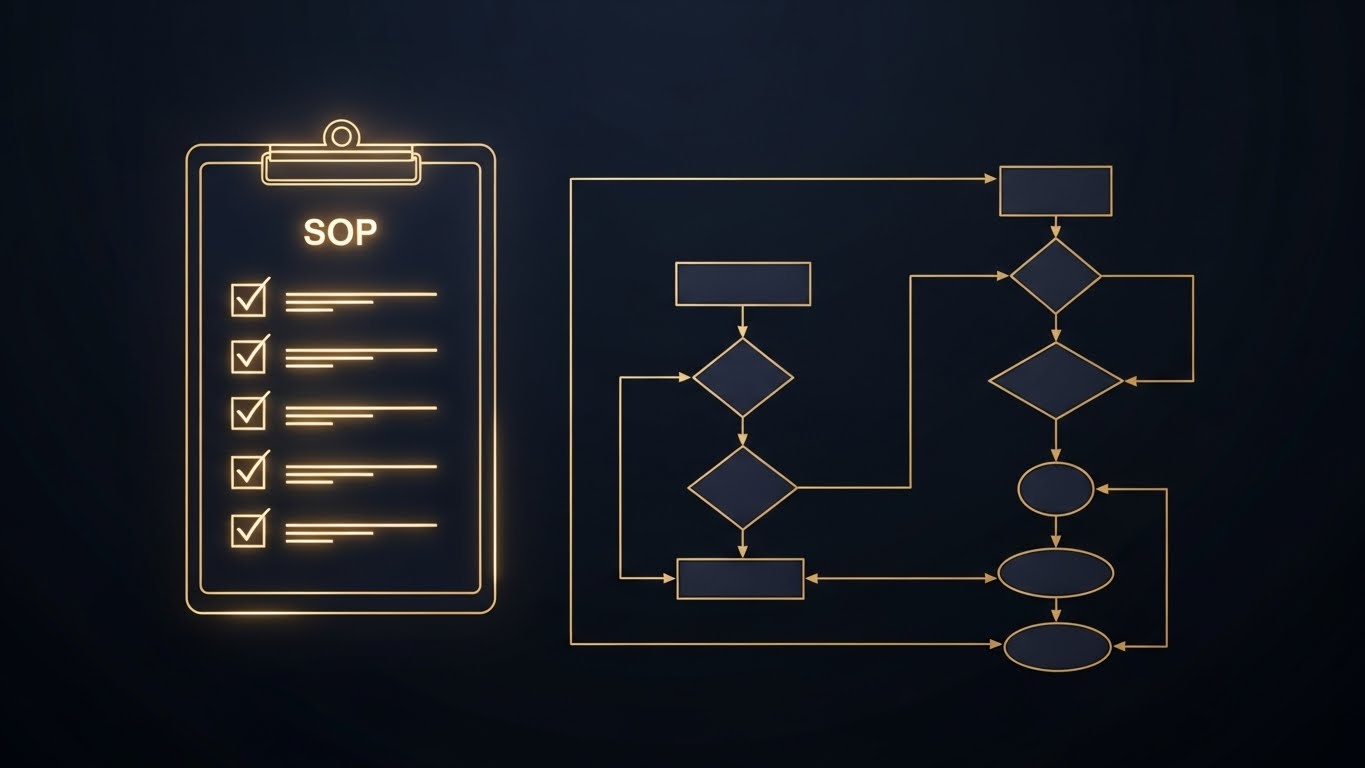
Are your spreadsheets holding your business back? In 2026, relying solely on spreadsheets for core business functions is like navigating with a paper map in the age of GPS — inefficient and prone to errors. Companies that transition to integrated business platforms experience an average of 25% improvement in operational efficiency within the first year.
The Spreadsheet Struggle: Why It’s Time to Move On
Spreadsheets were groundbreaking in their day, but they weren’t designed to handle the complexities of modern business. Today’s dynamic market demands agility and real-time insights, something spreadsheets simply can’t deliver. Here’s why clinging to spreadsheets is costing you:
- Data Silos: Information is scattered across multiple files, making it difficult to get a complete picture of your business. This hinders collaboration and informed decision-making.
- Error-Prone: Manual data entry is a recipe for mistakes. Research shows that approximately 88% of spreadsheets contain errors, leading to costly inaccuracies.
- Lack of Automation: Repetitive tasks consume valuable time and resources. Spreadsheets offer limited automation capabilities, forcing you to perform manual processes that could be streamlined.
- Scalability Issues: As your business grows, spreadsheets become increasingly unwieldy and difficult to manage. They simply can’t keep up with the demands of a scaling organization.
- Security Risks: Spreadsheets often lack adequate security measures, making sensitive data vulnerable to unauthorized access.
Identifying the Breaking Point
How do you know it’s time to ditch the spreadsheets? Look for these warning signs: your team spends more time wrangling data than analyzing it; you struggle to generate timely and accurate reports; errors are frequent and costly; and collaboration is a constant challenge. If any of these sound familiar, it’s time to consider a change.
The Power of Integrated Business Platforms
Integrated business platforms offer a centralized, streamlined approach to managing your core business functions. These platforms, often cloud-based, connect different departments and processes, providing a single source of truth for your data. The benefits are numerous:
- Improved Efficiency: Automation streamlines workflows, freeing up your team to focus on higher-value tasks. Companies using integrated platforms report a 30% reduction in manual data entry.
- Better Decision-Making: Real-time data and analytics provide actionable insights, enabling you to make informed decisions quickly.
- Enhanced Collaboration: Shared data and workflows improve communication and collaboration across departments.
- Increased Scalability: Cloud-based platforms can easily scale to meet the growing needs of your business.
- Reduced Costs: By automating tasks and improving efficiency, integrated platforms can significantly reduce operational costs.
Making the Migration: A Step-by-Step Guide
Migrating from spreadsheets to an integrated business platform can seem daunting, but with careful planning and execution, it can be a smooth and successful process. Here’s a step-by-step guide:
- Assess Your Needs: Identify your current pain points and define your goals for the new platform. What specific processes do you want to automate? What data do you need to track?
- Research and Select a Platform: Compare different platforms and choose one that meets your specific needs and budget. Consider factors such as features, scalability, ease of use, and integration capabilities.
- Plan Your Data Migration: Develop a plan for migrating your data from spreadsheets to the new platform. Clean and validate your data before migrating it to ensure accuracy.
- Implement and Configure the Platform: Work with the platform vendor or a qualified consultant to implement and configure the platform according to your specific requirements.
- Train Your Team: Provide comprehensive training to your team on how to use the new platform. Ensure they understand the new workflows and processes.
- Monitor and Optimize: Continuously monitor the performance of the platform and make adjustments as needed. Identify areas for improvement and optimize your workflows to maximize efficiency.
AI and Automation: The Future of Business Integration
In 2026, AI and automation are playing an increasingly important role in business integration. AI-powered platforms can automate tasks such as data entry, report generation, and even predictive analytics. For example, AI can analyze historical sales data to forecast future demand, enabling you to optimize inventory levels and reduce costs. Furthermore, AI-driven automation can personalize customer experiences, leading to increased customer satisfaction and loyalty. 62% of SMBs are now leveraging AI to automate tasks, seeing a significant return on investment.
Frequently Asked Questions
What if my team is resistant to change?
Resistance to change is common. Communicate the benefits of the new platform clearly and involve your team in the selection and implementation process. Provide adequate training and support to help them adapt to the new system.
How much does it cost to migrate to an integrated platform?
The cost varies depending on the size and complexity of your business, as well as the specific platform you choose. However, the long-term benefits of improved efficiency, better decision-making, and reduced costs often outweigh the initial investment.
How long does the migration process take?
The migration process can take anywhere from a few weeks to several months, depending on the complexity of your data and the scope of the implementation. Proper planning and execution can help to minimize the disruption to your business.
Moving beyond spreadsheets is no longer a luxury, but a necessity for businesses seeking to thrive in today’s competitive landscape. By embracing integrated business platforms, you can unlock new levels of efficiency, agility, and growth. S. C. A. L. A. AI OS is designed to empower small and medium businesses with the intelligent automation they need to scale effectively. Start your free trial today at app.get-scala.com/register and discover how S. C. A. L. A. can transform your business.
Prova S.C.A.L.A. AI OS gratis per 30 giorni
Inizia Gratis →