💰 Quick Win
Process Analyzer
How to Manage Process Change Without Disrupting Operations
⏱️ 5 min read
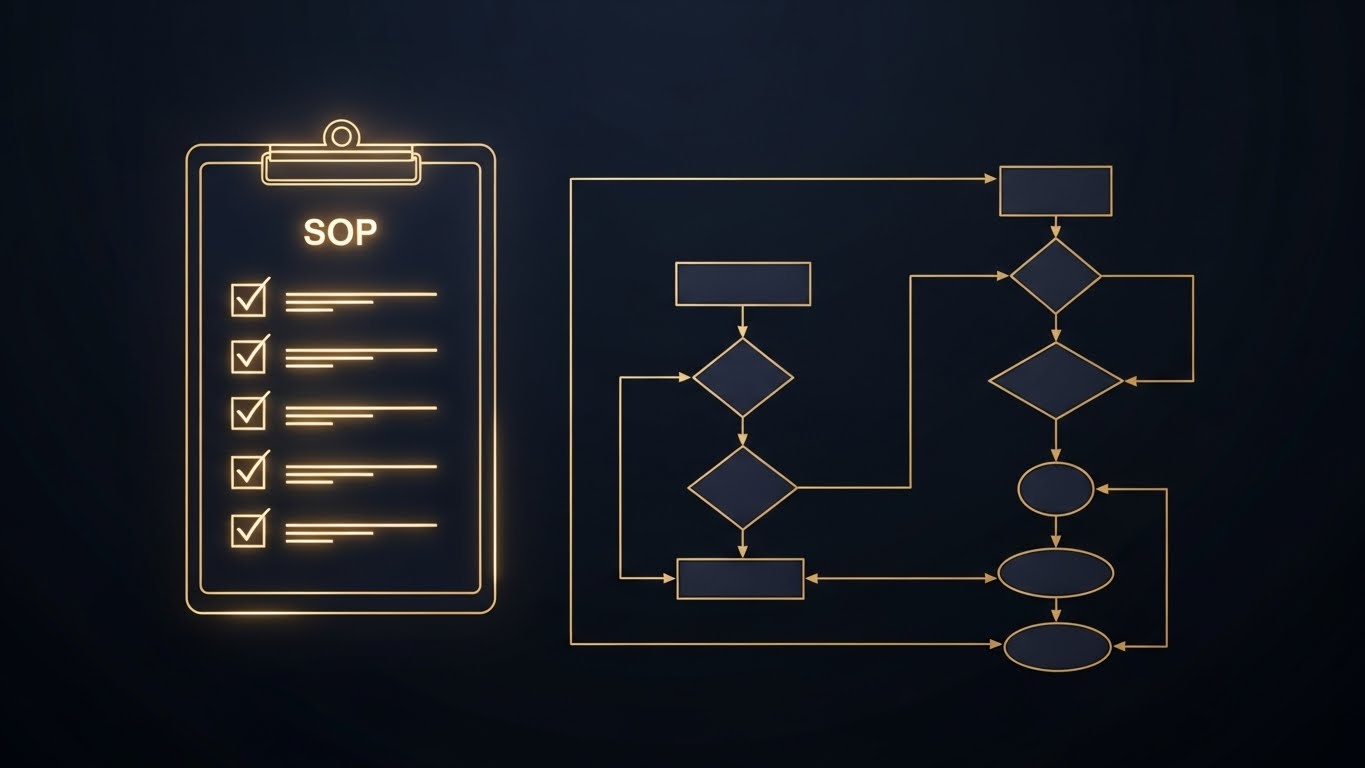
In today’s rapidly evolving business landscape, process change is inevitable, but disruption doesn’t have to be. Studies show that organizations experiencing poorly managed process changes face up to a 40% decrease in productivity during the transition period, highlighting the crucial need for strategic planning and execution.
Understanding the Landscape of Process Change in 2026
Successful process change in 2026 requires a deep understanding of both your current operations and the emerging technologies that can facilitate smoother transitions. 72% of SMBs are actively exploring or implementing AI-driven solutions to optimize workflows, making it essential to consider how automation can support your change management initiatives. Ignoring these advancements can lead to missed opportunities and competitive disadvantages.
Identifying the Need for Change
The first step is recognizing the need for change. This isn’t always obvious. Look for key indicators like declining customer satisfaction scores, increasing operational costs (especially wasted resources), bottlenecks in your workflows, or employee frustration with outdated systems. Data analytics, readily available through platforms like S. C. A. L. A. AI OS, can provide objective insights into these areas, revealing inefficiencies that might otherwise go unnoticed.
Planning for Minimal Disruption
Once you’ve identified the need, meticulous planning is paramount. This involves clearly defining the objectives of the change, outlining the steps involved, identifying potential risks, and developing mitigation strategies. Crucially, involve stakeholders from all affected departments in the planning process to ensure buy-in and address concerns proactively. Ignoring employee feedback can lead to resistance and hinder the adoption of the new process. Remember, 55% of successful change initiatives have high levels of employee engagement from the outset.
Executing Change with Precision
The execution phase is where your planning is put to the test. Communication, training, and ongoing support are vital to ensure a smooth transition. Utilizing a phased rollout approach can minimize disruption and allow for adjustments based on real-time feedback.
- Communicate clearly and frequently: Keep employees informed about the progress of the change, its benefits, and any potential challenges. Use multiple channels (email, meetings, internal newsletters) to reach everyone.
- Provide comprehensive training: Equip employees with the skills and knowledge they need to effectively use the new processes and technologies. Leverage online training platforms and hands-on workshops.
- Offer ongoing support: Establish a dedicated support team to address employee questions and concerns. Monitor the performance of the new process and make adjustments as needed.
- Celebrate successes: Acknowledge and reward employees who contribute to the successful implementation of the change. This helps to build momentum and foster a positive attitude towards future changes.
Leveraging AI and Automation for Seamless Transitions
AI and automation are no longer futuristic concepts; they are essential tools for managing process change effectively. AI-powered platforms can automate repetitive tasks, freeing up employees to focus on more strategic activities. They can also provide real-time data and insights to help you monitor the progress of the change and identify any potential problems. Furthermore, AI can personalize training programs based on individual employee needs, ensuring that everyone receives the support they need to succeed. In fact, companies that automate at least 30% of their manual processes report a 25% improvement in efficiency and a 15% reduction in operational costs.
Monitoring and Adapting to Ensure Long-Term Success
Change management isn’t a one-time event; it’s an ongoing process. Continuously monitor the performance of the new process and gather feedback from employees and customers. Be prepared to make adjustments as needed to optimize performance and address any unforeseen challenges. Data visualization dashboards, common in advanced AI-powered platforms, can help you track key metrics and identify areas for improvement.
Analyzing Key Performance Indicators (KPIs)
Define clear KPIs to measure the success of the change. These KPIs should align with the objectives of the change and provide a clear indication of whether the new process is achieving its intended results. Examples include increased efficiency, reduced costs, improved customer satisfaction, and enhanced employee productivity.
Embracing a Culture of Continuous Improvement
Foster a culture of continuous improvement where employees are encouraged to identify opportunities for further optimization and innovation. This will help your organization stay ahead of the curve and adapt to the ever-changing business environment. Regularly solicit feedback and actively look for ways to refine processes.
Frequently Asked Questions
How do I get employee buy-in for process changes?
Involve employees in the planning process, communicate clearly about the benefits of the change, and provide comprehensive training and support. Address their concerns proactively and acknowledge their contributions.
What are the biggest challenges in managing process change?
Resistance to change, lack of communication, inadequate training, and insufficient resources are common challenges. Proactive planning and addressing these potential issues head-on are critical for success.
How can I measure the success of a process change?
Define clear KPIs that align with the objectives of the change and track them regularly. Use data analytics to identify areas for improvement and make adjustments as needed. Examples include cycle time, customer satisfaction, and cost savings.
Managing process change effectively is crucial for sustained growth and competitiveness. By understanding the landscape, executing with precision, leveraging AI and automation, and continuously monitoring and adapting, you can minimize disruption and maximize the benefits of change. S. C. A. L. A. AI OS offers the tools and insights you need to navigate these challenges successfully. Start your free trial today at app.get-scala.com/register.
Prova S.C.A.L.A. AI OS gratis per 30 giorni
Inizia Gratis →