💰 Quick Win
Process Analyzer
How to Design Scalable Business Processes
⏱️ 6 min read
In today’s rapidly evolving business landscape, scalability isn’t just a buzzword; it’s a survival imperative. Studies show that businesses with scalable processes are 50% more likely to achieve sustained growth compared to their less agile counterparts. Designing business processes with scalability in mind from the outset is crucial for long-term success in 2026.
Understanding Scalability in Business Processes
Scalability, in essence, refers to a business process’s ability to handle increased workload and demands without experiencing a significant decline in performance or requiring exponentially more resources. A scalable process should be able to accommodate growth gracefully, maintaining efficiency and cost-effectiveness as the business expands. This includes accommodating increased customer volume, new product lines, expanded geographic reach, or any other factor that drives increased operational complexity.
Identifying Bottlenecks and Inefficiencies
Before you can design for scalability, you need to pinpoint the areas where your current processes are likely to break down under pressure. Conduct a thorough audit of your existing workflows, looking for bottlenecks, manual tasks, and areas where errors are frequent. For instance, 67% of SMBs report that manual data entry is a significant source of errors, leading to inefficiencies and delays. Process mapping tools can be invaluable in visualizing these processes and identifying areas for improvement. Focus on key performance indicators (KPIs) like processing time, error rates, and resource utilization to quantify the impact of these inefficiencies.
Designing Scalable Processes: A Practical Approach
Designing scalable business processes requires a proactive and strategic mindset. It’s about building flexibility and resilience into your operations from the ground up. Here are key principles to consider:
- Embrace Automation: Automate repetitive tasks wherever possible. This frees up human employees to focus on higher-value activities and reduces the risk of errors. AI-powered tools, like those offered by S. C. A. L. A. AI OS, can automate tasks such as invoice processing, customer support inquiries, and lead qualification.
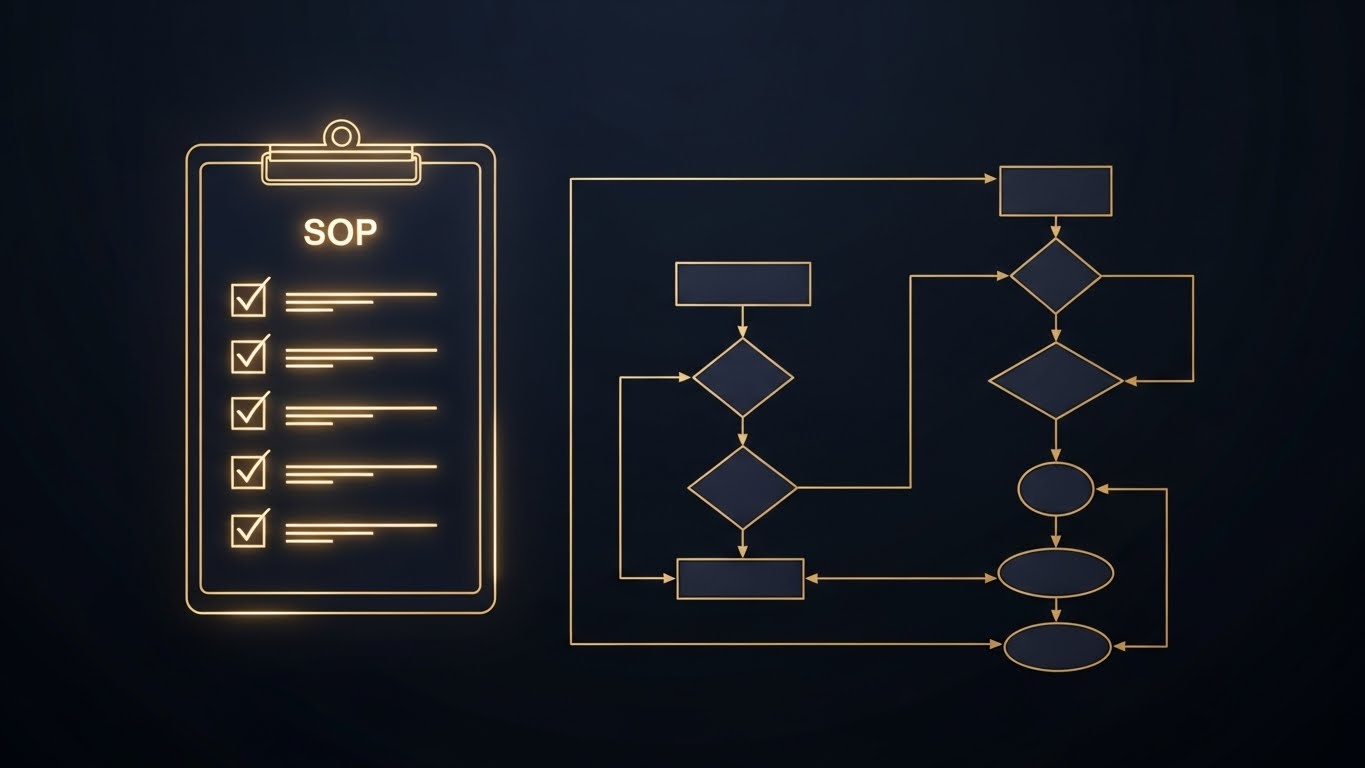
- Standardize Operations: Standardized processes are easier to replicate and scale. Define clear procedures and guidelines for each task, ensuring consistency across the organization. Document these procedures in a central repository that is easily accessible to all employees.
- Modular Design: Break down complex processes into smaller, independent modules. This allows you to scale individual components as needed without affecting the entire system. For example, a customer onboarding process could be broken down into modules for data collection, account setup, and initial training.
- Cloud-Based Solutions: Leverage cloud-based technologies to provide the infrastructure needed for scaling. Cloud services offer flexibility, scalability, and cost-effectiveness compared to traditional on-premise solutions. 89% of businesses now utilize cloud infrastructure for at least some part of their operations.
- Data-Driven Decision Making: Use data to monitor the performance of your processes and identify areas for improvement. Implement dashboards and reporting tools to track key metrics and gain insights into operational efficiency. This will enable you to make informed decisions about resource allocation and process optimization.
Leveraging AI and Automation for Scalability
AI and automation are no longer futuristic concepts; they are essential tools for achieving scalability in 2026. By automating repetitive tasks, improving decision-making, and enhancing customer experiences, AI can significantly boost operational efficiency and enable businesses to handle increased workloads without adding significant headcount. For example, AI-powered chatbots can handle a large volume of customer inquiries simultaneously, freeing up human agents to focus on more complex issues. Furthermore, AI algorithms can analyze vast amounts of data to identify patterns and predict future demand, allowing businesses to proactively adjust their operations and resource allocation. Companies using AI-powered solutions have seen, on average, a 30% increase in productivity and a 25% reduction in operational costs.
Monitoring and Adapting Your Scalable Processes
Designing scalable processes is not a one-time effort; it’s an ongoing process of monitoring, evaluation, and adaptation. Regularly review your KPIs, gather feedback from employees, and stay abreast of industry best practices. Be prepared to make adjustments as your business evolves and new technologies emerge. Conduct regular stress tests to identify potential bottlenecks and ensure that your processes can handle unexpected surges in demand. Embrace a culture of continuous improvement, where employees are encouraged to identify and propose solutions to improve operational efficiency.
Ensuring Continuous Improvement
Implement a feedback loop to continuously gather insights from your team and customers. Use these insights to refine your processes and identify new opportunities for automation and optimization. Remember, scalability is not a destination; it’s a journey of continuous improvement. Companies that prioritize continuous improvement are 20% more likely to outperform their competitors in terms of revenue growth and profitability.
Addressing Potential Challenges
Scaling your business processes is not without its challenges. Common obstacles include resistance to change, lack of technical expertise, and integration issues with existing systems. Address these challenges proactively by providing adequate training and support to your employees, investing in user-friendly technologies, and ensuring seamless integration between different systems. Don’t underestimate the importance of communication and change management in ensuring a smooth transition to scalable processes.
Frequently Asked Questions
How do I prioritize which processes to scale first?
Focus on the processes that have the biggest impact on your bottom line and customer satisfaction. Identify the bottlenecks that are causing the most pain and address those first.
What are the key metrics to track for scalable processes?
Track metrics like processing time, error rates, resource utilization, customer satisfaction, and cost per transaction. These metrics will provide insights into the efficiency and effectiveness of your processes.
How can I ensure that my employees embrace the new scalable processes?
Communicate the benefits of scalability clearly and provide adequate training and support. Involve employees in the design and implementation process to foster a sense of ownership and commitment.
Designing scalable business processes is a critical investment in the future of your business. By embracing automation, standardization, and data-driven decision-making, you can build a resilient and agile organization that is well-positioned for sustained growth. S. C. A. L. A. AI OS can help you achieve this by providing the AI-powered tools and insights you need to optimize your processes and scale your business effectively. Start your free trial today at app.get-scala.com/register.
Prova S.C.A.L.A. AI OS gratis per 30 giorni
Inizia Gratis →