💰 Quick Win
Process Analyzer
How to Calculate and Reduce Cost of Poor Quality
⏱️ 5 min read
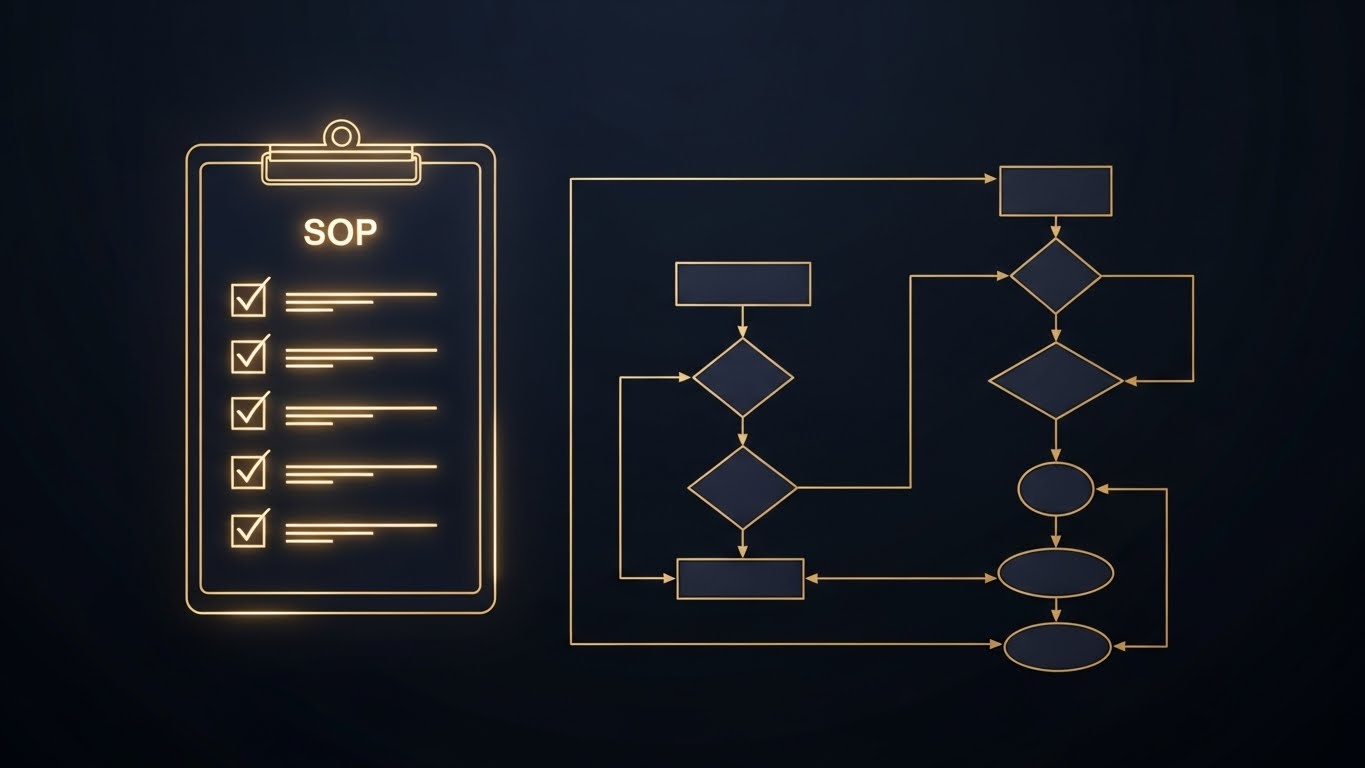
The cost of poor quality (COPQ) is a silent profit killer, draining an estimated 15-20% of a company’s revenue in 2026. Addressing COPQ isn’t just about fixing defects; it’s about fundamentally improving your processes and preventing problems from occurring in the first place. Let’s explore how to calculate and drastically reduce COPQ to boost your bottom line.
Calculating the True Cost of Poor Quality
COPQ encompasses all expenses incurred because work wasn’t done right the first time. It’s often underestimated because many costs are hidden or indirect. To accurately calculate COPQ, you need to consider four main categories:
- Prevention Costs: Expenses incurred to prevent defects. Examples include quality training, process documentation, and investments in preventative maintenance.
- Appraisal Costs: Costs associated with assessing the quality of products or services. This includes inspections, testing, and audits.
- Internal Failure Costs: Costs resulting from defects discovered before the product or service reaches the customer. Examples are rework, scrap, and process failures.
- External Failure Costs: Costs arising from defects discovered after the product or service reaches the customer. This is the most damaging category and includes warranty claims, returns, customer complaints, and even lost business due to negative reviews. Studies show that resolving a customer complaint costs 5x more than preventing the initial error.
To calculate COPQ, meticulously track expenses in each category. Implement a system for capturing these costs accurately. Many businesses find that 67% of SMBs report that using specialized accounting software helps significantly improve COPQ tracking and analysis. Then, sum the costs from all four categories to arrive at your total COPQ.
Calculating ROI of Quality Improvements
Once you have a baseline COPQ figure, you can track the return on investment (ROI) of your quality improvement initiatives. Track the cost of implementing the improvement and then the decrease in COPQ. The ROI is calculated as: (Decrease in COPQ – Cost of Improvement) / Cost of Improvement * 100. A positive ROI demonstrates the effectiveness of your efforts and justifies further investment.
Strategies for Reducing Cost of Poor Quality
Reducing COPQ requires a proactive and systematic approach. It’s not enough to simply react to problems; you need to identify the root causes and implement preventative measures.
- Invest in Employee Training: Properly trained employees are less likely to make mistakes. Provide ongoing training on quality standards, process improvements, and the use of new technologies. Companies investing in employee training have seen a 24% improvement in product quality.
- Implement Robust Quality Control Processes: Establish clear quality control procedures at each stage of your production or service delivery process. This includes regular inspections, testing, and audits.
- Utilize Root Cause Analysis: When defects occur, don’t just fix the symptom; identify the underlying cause. Tools like the 5 Whys or fishbone diagrams can help you uncover the root cause of problems.
- Standardize Processes: Document and standardize your processes to reduce variability and minimize the risk of errors. This ensures that everyone is following the same procedures and reduces the likelihood of mistakes.
- Seek Continuous Improvement: Embrace a culture of continuous improvement, constantly seeking ways to improve your processes and reduce COPQ. Encourage employees to identify and report potential problems.
Remember to prioritize your efforts. Focus on the areas where you can achieve the greatest impact. Pareto analysis (the 80/20 rule) can help you identify the vital few defects that are responsible for the majority of your COPQ.
The Role of AI and Automation in Reducing COPQ
In 2026, AI and automation are playing an increasingly vital role in reducing COPQ. AI-powered quality control systems can automatically inspect products, identify defects, and even predict potential problems before they occur. Automation can streamline processes, reduce human error, and improve consistency. For example, automated data entry can minimize errors in order processing, leading to fewer customer complaints and returns. Furthermore, predictive maintenance algorithms can identify equipment failures before they happen, preventing costly downtime and production delays. Gartner predicts that by 2027, AI-driven quality management systems will reduce COPQ by an average of 15% across various industries.
Leveraging Data Analytics to Drive Quality Improvements
Data is your most valuable asset when it comes to reducing COPQ. Collect and analyze data on all aspects of your processes, from production to customer service. Identify trends, patterns, and areas where defects are most common. Use this data to inform your quality improvement efforts and track your progress. Businesses that leverage data analytics for quality management report a 29% reduction in defects.
By centralizing data collection and reporting, you can gain a holistic view of your operations and identify areas where you can improve. Look for opportunities to automate data collection and analysis to save time and improve accuracy.
FAQ: Addressing Common Concerns About COPQ
What is the difference between COPQ and Cost of Quality (COQ)?
COPQ focuses solely on the costs associated with defects and failures, while COQ is a broader term that includes both COPQ and the costs of preventing defects (prevention and appraisal costs).
How often should I calculate COPQ?
Ideally, you should calculate COPQ on a regular basis, such as monthly or quarterly, to track your progress and identify any emerging trends. Consistent monitoring provides a continuous feedback loop for your quality improvement initiatives.
What if I don’t have the resources to implement a full-scale quality improvement program?
Start small and focus on the areas where you can achieve the greatest impact with the least amount of resources. Even small improvements can make a significant difference over time. Consider focusing on automating one key area, such as data entry, to reduce manual errors.
Reducing the Cost of Poor Quality is an ongoing journey, not a destination. By understanding how to calculate COPQ, implementing effective strategies, and leveraging the power of AI and data analytics, you can significantly improve your processes, reduce waste, and boost your bottom line. S. C. A. L. A. AI OS empowers businesses to identify and eliminate inefficiencies, automate key processes, and achieve significant reductions in COPQ. Start your free trial today at app.get-scala.com/register and unlock the potential of AI-powered process optimization.
Prova S.C.A.L.A. AI OS gratis per 30 giorni
Inizia Gratis →