💰 Quick Win
Process Analyzer
How to Build an Operations Manual for Your Business
⏱️ 5 min read
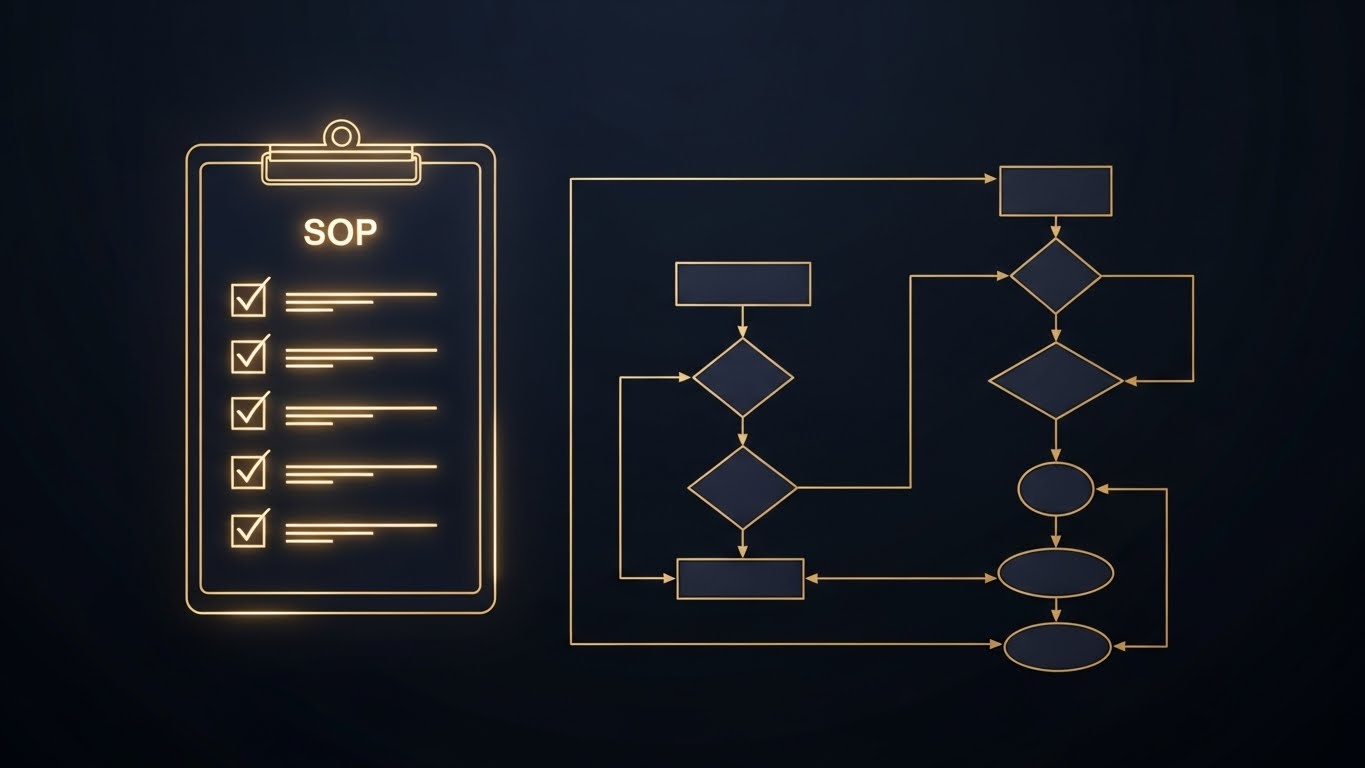
In 2026, operational efficiency is no longer a luxury; it’s a necessity. Studies show that businesses without standardized operating procedures waste up to 20% of their resources annually due to errors and inefficiencies. Building a comprehensive operations manual can eliminate these costly mistakes and pave the way for sustainable growth.
What is an Operations Manual and Why Do You Need One?
An operations manual is a central repository of all the documented processes, procedures, and guidelines that dictate how your business functions. It’s a living document that outlines everything from onboarding new employees to handling customer complaints, processing invoices, and managing inventory. 67% of SMBs report that a well-defined operations manual significantly improves employee productivity and reduces training time.
- Consistency: Ensures all tasks are performed the same way, every time, regardless of who is performing them.
- Efficiency: Streamlines processes, reduces errors, and minimizes wasted time.
- Training: Provides a readily available resource for new employees and reduces the burden on existing staff.
- Scalability: Facilitates business growth by allowing you to easily replicate processes and train new staff as needed.
- Compliance: Helps ensure that your business adheres to all relevant regulations and industry standards.
Steps to Creating a Killer Operations Manual
Creating an effective operations manual requires careful planning and execution. Here’s a step-by-step guide to get you started:
- Identify Key Processes: Begin by identifying all the critical processes within your business, from sales and marketing to customer service and operations. Brainstorm with your team to ensure you capture everything.
- Document Everything: For each process, document every step involved, including who is responsible, what resources are needed, and what the expected outcome is. Use clear, concise language and avoid jargon. Visual aids like flowcharts and screenshots can be extremely helpful. For example, include screenshots of your CRM software demonstrating how to update a customer record.
- Choose Your Format: Decide on the best format for your operations manual. While a physical binder might work for very small businesses, a digital format (like a shared Google Doc, a dedicated wiki, or a knowledge base) is generally more accessible, searchable, and easily updated.
- Make it Accessible: Store your operations manual in a central, easily accessible location where all employees can find it. Consider using cloud-based storage for easy access from anywhere.
- Review and Update Regularly: An operations manual is not a static document. It should be reviewed and updated regularly to reflect changes in your business, industry, and regulations. Schedule regular review sessions (e.g., quarterly or annually).
Documenting Processes Effectively
Effective process documentation is key to a useful operations manual. Break down complex processes into smaller, more manageable steps. Use visuals whenever possible. For example, a flowchart showing the steps involved in processing a customer order can be much easier to understand than a written description.
Choosing the Right Tools
Select the right tools for creating and managing your operations manual. Consider using project management software, document collaboration tools, and screen recording software to streamline the documentation process. Remember, an accessible and user-friendly manual is more likely to be used.
Leveraging AI and Automation in Your Operations Manual
In 2026, AI-powered tools are revolutionizing how businesses create and maintain their operations manuals. AI can analyze existing workflows, identify bottlenecks, and suggest improvements. Furthermore, AI-powered documentation tools can automatically generate process documentation from recorded screen captures and voice instructions, significantly reducing the time and effort required to create a comprehensive manual. Automation can also help ensure that your operations manual is always up-to-date by automatically notifying you of changes in regulations or best practices.
Making Your Operations Manual a Living Document
Your operations manual shouldn’t sit on a shelf gathering dust. It should be a living document that is actively used and updated by your team. Encourage employees to provide feedback and suggest improvements. Make it part of your onboarding process and regularly reinforce its importance. Companies that actively maintain their operations manuals see a 15% increase in operational efficiency, according to a recent industry report.
- Feedback Loops: Implement a system for employees to easily submit feedback and suggestions for improvements to the manual.
- Regular Audits: Conduct regular audits to ensure that the manual is accurate and up-to-date.
- Training and Reinforcement: Provide regular training to employees on how to use the manual and emphasize its importance.
The Importance of Version Control
When updating your operations manual, ensure you use version control to track changes. This is especially critical for compliance purposes and for understanding the evolution of your business processes. Cloud-based document solutions often provide built-in version control features.
Maintaining Relevance in a Dynamic Environment
The business landscape is constantly evolving. Your operations manual needs to evolve with it. Stay informed about industry trends, regulatory changes, and best practices, and update your manual accordingly. Consider setting up automated alerts to notify you of relevant changes.
Frequently Asked Questions (FAQ)
How often should I update my operations manual?
At a minimum, review your operations manual annually. However, you should also update it whenever there are significant changes to your business processes, regulations, or technology.
Who should be responsible for maintaining the operations manual?
Ideally, you should have a dedicated team or individual responsible for maintaining the operations manual. This ensures that it is consistently updated and accurate.
How can I ensure that employees actually use the operations manual?
Make it easily accessible, provide regular training, and incorporate it into your performance evaluations. Also, actively encourage feedback and suggestions for improvements.
Building a comprehensive operations manual is a significant undertaking, but the long-term benefits are well worth the effort. By standardizing your processes, improving efficiency, and reducing errors, you can create a more scalable and profitable business. S. C. A. L. A. AI OS can help you streamline this process with its AI-powered automation and documentation features, allowing you to create, maintain, and optimize your operations manual with ease. Start your free trial today at app.get-scala.com/register and unlock the power of intelligent automation.
Prova S.C.A.L.A. AI OS gratis per 30 giorni
Inizia Gratis →