💰 Quick Win
Process Analyzer
Digital Transformation Governance: Who Owns the Process
⏱️ 4 min read
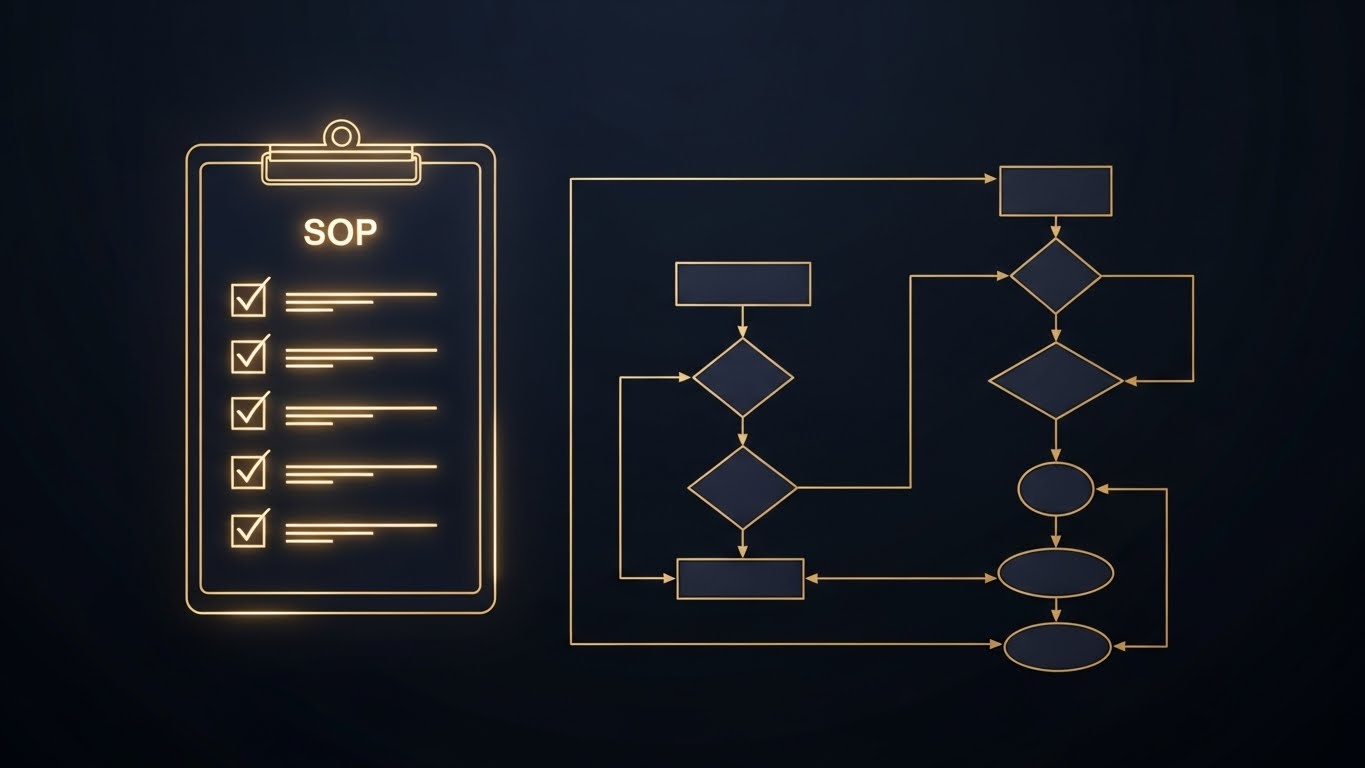
Digital transformation, once a buzzword, is now essential for survival. Yet, according to a recent McKinsey report, nearly 70% of digital transformation initiatives fail to achieve their stated objectives, often due to lack of clear ownership and governance. In 2026, the question isn’t *if* you transform, but *how* — and crucially, *who* leads the charge?
Defining Digital Transformation Governance
Digital transformation governance isn’t just about technology implementation; it’s about defining the strategic vision, establishing clear roles and responsibilities, and ensuring alignment across all departments. It’s the framework that ensures your digital initiatives are not only technically sound but also contribute meaningfully to your business goals. Without it, projects can become siloed, budgets can balloon, and the overall impact can be significantly diminished. Think of it as the steering wheel and navigation system for your digital journey.
Why is Governance Crucial?
Effective governance prevents the “wild west” scenario where different teams pursue their own digital agendas without a unified strategy. Research from Deloitte indicates that companies with strong digital governance are 23% more likely to see a positive return on their digital investments. This underscores the importance of a structured approach. Strong governance allows for better resource allocation, improved risk management, and enhanced stakeholder communication, ultimately driving greater success and ROI.
Who Owns the Digital Transformation Process?
The short answer? It’s not a single person, but a cross-functional team. While the ultimate accountability often rests with the CEO or a designated C-level executive (like a Chief Digital Officer or Chief Innovation Officer), successful digital transformation requires buy-in and participation from across the organization. Consider building a dedicated Digital Transformation Committee.
- Executive Sponsor: Provides overall vision and secures necessary resources.
- Digital Transformation Leader: Drives the day-to-day execution and manages the project portfolio.
- IT Department: Ensures the technical feasibility and integration of new technologies.
- Business Unit Leaders: Represent the needs and perspectives of their respective departments.
- Data Governance Team: Focuses on data quality, security, and compliance.
This collaborative approach ensures that all aspects of the business are considered, leading to a more holistic and effective transformation. Remember that clear roles and responsibilities, documented in a governance framework, are paramount for success. This framework should outline decision-making processes, communication protocols, and escalation paths.
The Role of AI and Automation in Governance
AI and automation are no longer just tools for improving efficiency; they’re becoming integral to digital transformation governance itself. For instance, AI-powered platforms like S. C. A. L. A. AI OS can analyze vast amounts of data to identify bottlenecks, predict potential risks, and optimize resource allocation. Automation can streamline repetitive tasks, such as data entry and report generation, freeing up human resources to focus on more strategic initiatives. Furthermore, AI-driven monitoring tools can track the progress of digital transformation projects, identify deviations from the plan, and provide real-time feedback to stakeholders. This allows for proactive intervention and ensures that projects stay on track and within budget. 62% of businesses are now leveraging AI for improved decision-making around digital transformation initiatives.
Actionable Steps for Implementing Digital Transformation Governance
Ready to take control of your digital transformation? Here are some actionable steps you can implement immediately:
- Define Clear Objectives: What are you trying to achieve with your digital transformation? Set SMART (Specific, Measurable, Achievable, Relevant, Time-bound) goals.
- Establish a Governance Framework: Document your roles, responsibilities, decision-making processes, and communication protocols.
- Build a Cross-Functional Team: Ensure representation from all key departments.
- Invest in Technology: Choose the right tools and platforms to support your transformation, including AI and automation solutions.
- Monitor and Evaluate: Track your progress, measure your results, and make adjustments as needed.
Frequently Asked Questions (FAQs)
What happens if we don’t have formal governance?
Without governance, you risk wasted resources, duplicated efforts, misaligned priorities, and ultimately, failure to achieve your digital transformation goals. 55% of companies without formal governance report budget overruns on digital projects.
How do we get executive buy-in?
Demonstrate the potential ROI of digital transformation and clearly articulate how it aligns with the company’s overall strategic objectives. Use data and compelling visuals to support your case.
How often should we review our governance framework?
At least annually, or more frequently if there are significant changes in the business environment or technology landscape. The digital landscape is rapidly evolving, and your governance framework needs to adapt accordingly.
Digital transformation governance is not an option; it’s a necessity. By establishing clear ownership, defining a robust framework, and leveraging the power of AI and automation, you can significantly increase your chances of success. Remember, a well-governed digital transformation can unlock tremendous value for your business, driving growth, improving efficiency, and enhancing customer experiences. S. C. A. L. A. AI OS can help you navigate this complex landscape with intelligent automation and data-driven insights. Start your free trial today at app.get-scala.com/register and begin building your future, intelligently.
Prova S.C.A.L.A. AI OS gratis per 30 giorni
Inizia Gratis →