💰 Quick Win
Process Analyzer
Business Process Reengineering: When Incremental Changes Are Not Enough
⏱️ 5 min read
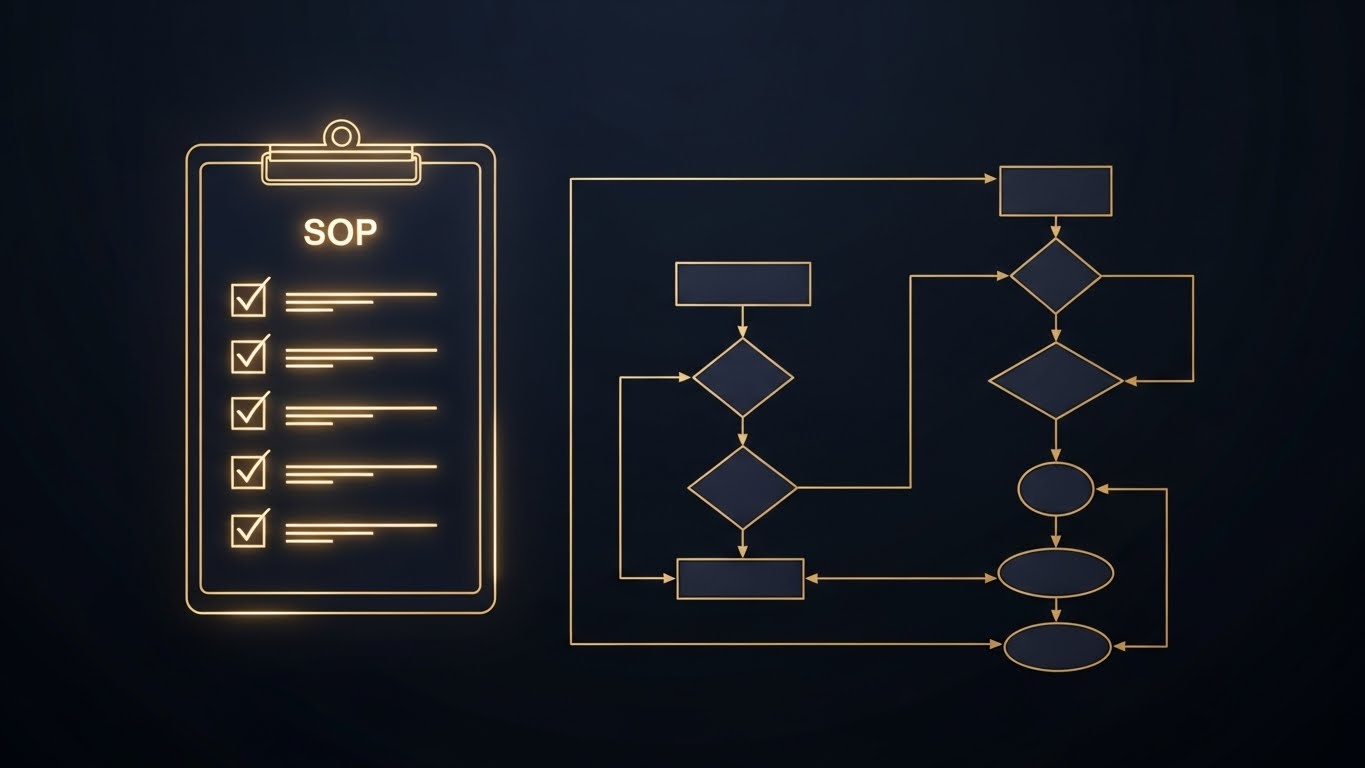
In today’s hyper-competitive market, tweaking your existing processes might not cut it anymore. While incremental improvements are valuable, sometimes you need a complete overhaul. That’s where Business Process Reengineering (BPR) comes in, offering a radical transformation to achieve dramatic gains.
Understanding Business Process Reengineering (BPR)
Business Process Reengineering (BPR) isn’t just about making things a little better; it’s about fundamentally rethinking and redesigning your core business processes to achieve significant improvements in productivity, cycle times, and quality. Think of it as tearing down an old house to build a modern, efficient structure, rather than just repainting the walls. BPR focuses on streamlining workflows, eliminating redundancies, and leveraging technology to create a more efficient and customer-centric organization.
Why Choose Reengineering Over Incremental Improvement?
Incremental improvements are fantastic for continuous optimization, but they can only take you so far. If your processes are fundamentally flawed or outdated, incremental changes might just be putting a band-aid on a deeper wound. According to a recent McKinsey report, companies that have undergone successful BPR initiatives have seen, on average, a 40% reduction in operational costs and a 25% increase in revenue. When you’re facing significant challenges like declining market share, unsustainable costs, or a rapidly changing competitive landscape, BPR might be the only way to achieve the necessary breakthrough.
Key Steps in Business Process Reengineering
Successfully reengineering your business processes requires a structured approach. Here’s a breakdown of the essential steps:
- Define Your Objectives: What specific outcomes are you hoping to achieve with BPR? Are you aiming to reduce costs, improve customer satisfaction, or accelerate time-to-market? Clearly defined goals are crucial for guiding the entire process.
- Analyze Existing Processes: Thoroughly document and analyze your current processes to identify bottlenecks, inefficiencies, and areas for improvement. This includes mapping out workflows, gathering data on performance metrics, and soliciting feedback from employees and customers.
- Design New Processes: Based on your analysis, design entirely new processes that are streamlined, efficient, and aligned with your strategic objectives. Don’t be afraid to challenge assumptions and explore innovative approaches.
- Implement the New Processes: This is where the rubber meets the road. Implement your redesigned processes, providing adequate training and support to employees. Be prepared to make adjustments along the way as you gather feedback and identify any unforeseen issues.
- Evaluate and Refine: Regularly monitor the performance of your new processes and make adjustments as needed. BPR is not a one-time event, but rather an ongoing process of continuous improvement.
The Role of AI and Automation in BPR
In 2026, AI and automation are no longer futuristic concepts but essential tools for successful BPR. AI-powered process mining can automatically identify bottlenecks and inefficiencies in your existing workflows, providing valuable insights for redesign. Robotic Process Automation (RPA) can automate repetitive tasks, freeing up employees to focus on more strategic activities. Chatbots can improve customer service and streamline communication. By leveraging AI and automation, you can significantly accelerate the BPR process and achieve even greater results. In fact, Gartner predicts that by 2028, 75% of successful BPR initiatives will leverage AI-powered process discovery and automation.
Overcoming Challenges in BPR
Business Process Reengineering can be a complex and challenging undertaking. Resistance to change is a common obstacle, as employees may be hesitant to embrace new ways of working. Effective communication, leadership support, and adequate training are essential for overcoming this resistance. Another challenge is the potential for disruption to existing operations. Careful planning and execution are crucial to minimize disruption and ensure a smooth transition. Remember, 67% of SMBs report that change management is their biggest obstacle when implementing new technology or processes.
Actionable Tips for Successful BPR
- Secure Executive Sponsorship: BPR requires strong leadership support to drive change and allocate resources.
- Involve Employees: Engage employees in the BPR process to gather valuable insights and foster buy-in.
- Focus on Customer Needs: Design processes that are centered around delivering exceptional customer experiences.
- Embrace Technology: Leverage AI, automation, and other technologies to streamline workflows and improve efficiency.
- Measure and Monitor: Track key performance indicators (KPIs) to assess the impact of BPR and make adjustments as needed.
FAQ About Business Process Reengineering
What’s the difference between BPR and continuous improvement?
BPR involves a radical redesign of core business processes, while continuous improvement focuses on making incremental changes to existing processes. BPR is typically used when significant improvements are needed, while continuous improvement is used for ongoing optimization.
How long does a BPR project typically take?
The duration of a BPR project can vary depending on the scope and complexity of the changes being made. However, most BPR projects typically take several months to a year to complete.
What are the risks of BPR?
The risks of BPR include resistance to change, disruption to existing operations, and the potential for failure if the project is not properly planned and executed. However, these risks can be mitigated through careful planning, effective communication, and strong leadership support.
Business Process Reengineering is a powerful tool for organizations seeking to achieve dramatic improvements in performance. By rethinking and redesigning your core business processes, you can unlock significant gains in productivity, efficiency, and customer satisfaction. Is your business ready for radical change? S. C. A. L. A. AI OS provides the AI-powered tools and insights you need to streamline your processes, automate tasks, and drive real business results. Start your free trial today at app.get-scala.com/register and see how S. C. A. L. A. can help you scale.
Prova S.C.A.L.A. AI OS gratis per 30 giorni
Inizia Gratis →