Advanced Guide to ADKAR Model for Decision Makers
⏱️ 7 min read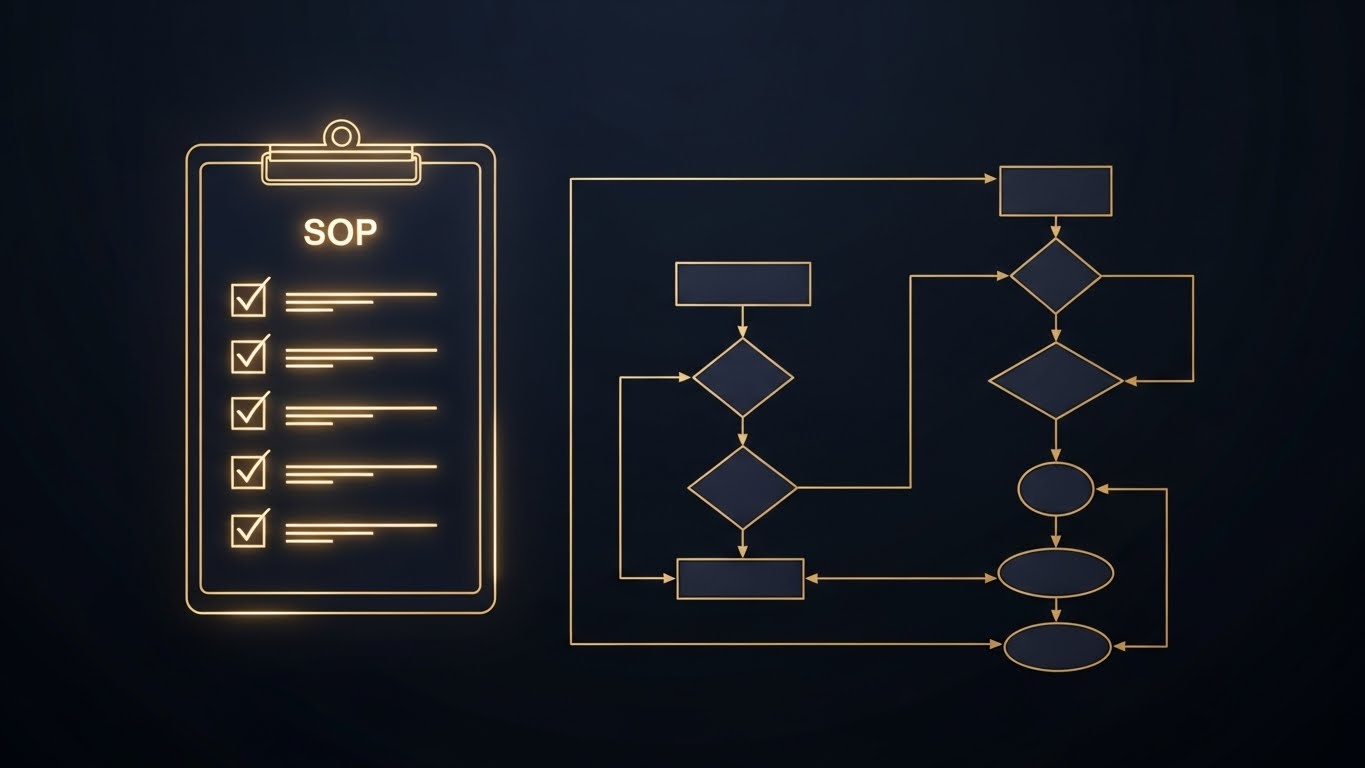
The Imperative of Structured Change in 2026
The pace of technological evolution in 2026 is unprecedented. Generative AI, predictive analytics, and hyper-automation are reshaping every facet of business, from Customer Support Operations to strategic planning. For Small and Medium-sized Businesses (SMBs), this presents a dual challenge: the necessity to rapidly integrate these advancements for competitive advantage and the organizational hurdle of ensuring employee adoption and proficiency. Without a robust, individual-centric change management framework, even the most strategically sound technological investments risk becoming costly, underutilized assets.
Navigating AI-Driven Transformation
Integrating AI tools, such as intelligent automation for repetitive tasks or advanced analytics dashboards for business intelligence, fundamentally alters workflows, roles, and decision-making processes. A 2025 Deloitte study indicated that companies with structured change management approaches reported a 3.5x higher success rate in achieving project objectives for AI implementations compared to those without. This isn’t merely about deploying software; it’s about re-engineering human processes to leverage machine capabilities. The **ADKAR model** provides the granular focus required to guide individuals through this complex transition, step by predictable step.
The Cost of Unmanaged Change
Failure to manage change effectively carries significant costs beyond direct project expenses. Consider the tangible impacts: decreased productivity (an average 15-20% drop during unmanaged transitions), increased employee turnover (up to 30% higher in organizations with poor change management), and delayed time-to-value for new systems. Intangible costs include diminished employee morale, loss of institutional knowledge, and a general cynicism towards future initiatives. These factors erode profitability and hinder scalability – core components S.C.A.L.A. AI OS is designed to optimize. Our operational philosophy dictates that minimizing these costs through proactive, structured change is a strategic imperative.
A is for Awareness: Understanding the ‘Why’
The foundational component of the **ADKAR model** is Awareness: ensuring individuals understand the nature of the change, why it is needed, and the potential risks of not changing. In 2026, this transcends simple announcement memos. It requires compelling, data-driven narratives that resonate with operational realities.
Data-Driven Case for Change
For an SMB implementing, for instance, an AI-powered inventory management system, Awareness isn’t just “we’re getting new software.” It’s “Our current manual inventory process leads to a 12% stockout rate and ties up 25% of warehouse staff hours in reconciliation, costing us $X annually. The new AI system will reduce stockouts by 8% within six months and reallocate 70% of those staff hours to value-added tasks, directly impacting our Q3 profitability by 7%.” S.C.A.L.A. AI OS provides the S.C.A.L.A. Strategy Module, enabling granular data analysis to build irrefutable business cases, illustrating current inefficiencies and projected gains with surgical precision.
Communicating Vision in the AI Era
Effective communication in 2026 demands multi-channel, personalized approaches. Leverage AI-driven internal communication platforms to segment audiences and tailor messages, addressing specific team concerns (e.g., job security anxieties, skill obsolescence). Utilize interactive dashboards to visualize current performance gaps and project future state benefits. Leadership must consistently articulate the vision, linking the change directly to the company’s strategic objectives and individual employee benefit. This proactive communication strategy aims to reduce uncertainty by 60% and foster initial buy-in.
D is for Desire: Fostering Engagement and Motivation
Awareness alone is insufficient. Desire is the personal choice to support and participate in the change. This is often the most challenging ADKAR element to influence, as it taps into individual values, motivations, and perceived self-interest. Leadership sponsorship is paramount here, with Prosci research consistently showing that active and visible sponsorship is the top contributor to change success, increasing it by up to 80%.
Incentivizing Adoption in a Remote-First World
In a hybrid or fully remote operational model, fostering desire requires deliberate strategies. Incentives can be intrinsic (e.g., clearer career paths through new skill acquisition, increased autonomy from automated tasks) or extrinsic (e.g., performance bonuses tied to adoption metrics, recognition programs for early adopters). Gamification platforms, integrated with learning management systems, can motivate engagement by rewarding progress through new AI tool adoption. Transparently communicating how the change benefits individual roles – freeing up time for more creative, impactful work – is critical. Consider a 2-3% performance bonus for teams that achieve 90% adoption rates within the first month of a new system rollout.
Mitigating Resistance Proactively
Resistance is a natural human response to change. Proactively identifying potential sources of resistance – fear of the unknown, loss of control, past negative experiences – allows for targeted interventions. Conduct anonymous pulse surveys using AI-powered sentiment analysis tools to gauge employee sentiment early. Establish “change champions” or “power users” within teams who can advocate for the change and address concerns peer-to-peer. Provide open forums for feedback, demonstrating that concerns are heard and acted upon. A 2024 Harvard Business Review article highlighted that addressing resistance proactively can reduce project delays by an average of 18%.
K is for Knowledge: Equipping for the ‘How’
Once individuals understand *why* to change and *desire* to do so, they need the Knowledge – information and training on *how* to change. This is where practical, skill-building initiatives become critical. Our S.C.A.L.A. AI OS platform emphasizes standardized procedures and measurable competencies.
AI-Powered Learning & Development Pathways
Traditional, one-size-fits-all training is inefficient. In 2026, personalized, adaptive learning pathways are the standard. Utilize AI-driven learning platforms that assess existing skill gaps, recommend tailored modules, and track progress for new AI tools or processes. For instance, if an SMB is adopting a new AI-driven CRM, employees might receive micro-learning modules on specific functionalities relevant to their role (e.g., “AI-Powered Lead Scoring for Sales,” “Automated Ticket Routing for Support”). This approach can reduce training time by 40% and increase skill retention by 25%. Link these learning modules directly to Total Quality Management principles, ensuring consistency and quality in skill acquisition.
Standardizing Competency via SOPs
Knowledge must be codified and accessible. Develop clear, concise Standard Operating Procedures (SOPs) for all new processes and tools. These SOPs should be dynamic, updated regularly, and easily searchable through an internal knowledge base, potentially powered by a conversational AI agent for instant queries. Integrate these SOPs into the learning pathways, ensuring theoretical knowledge is immediately linked to practical application. This standardization is crucial for maintaining operational efficiency and ensuring consistent performance across the organization, aligning perfectly with ISO Certification principles for process control.
A is for Ability: Translating Knowledge into Action
Knowledge without Ability is theoretical. Ability is the demonstrated capability to implement new skills and behaviors effectively. This phase requires practical application, coaching, and removing any potential barriers that prevent individuals from performing the new tasks.
Real-Time Performance Coaching with AI
Post-training, support is paramount. Implement AI-powered virtual coaches that can provide real-time feedback and assistance. For example, an AI assistant integrated into a new sales platform could prompt a user with best practices during a call or suggest optimal next steps based on historical data. Peer coaching programs, where experienced users mentor newer ones, also significantly boost ability. Establishing a dedicated support channel with a 24/7 AI chatbot for immediate issue resolution reduces frustration and accelerates proficiency. Our S.C.A.L.A. AI OS platforms facilitate this by providing analytics on user interaction with new systems, highlighting areas where additional coaching is required.</p