💰 Quick Win
Process Analyzer
Workflow Automation: Connecting Sales, Marketing and Operations
⏱️ 5 min read
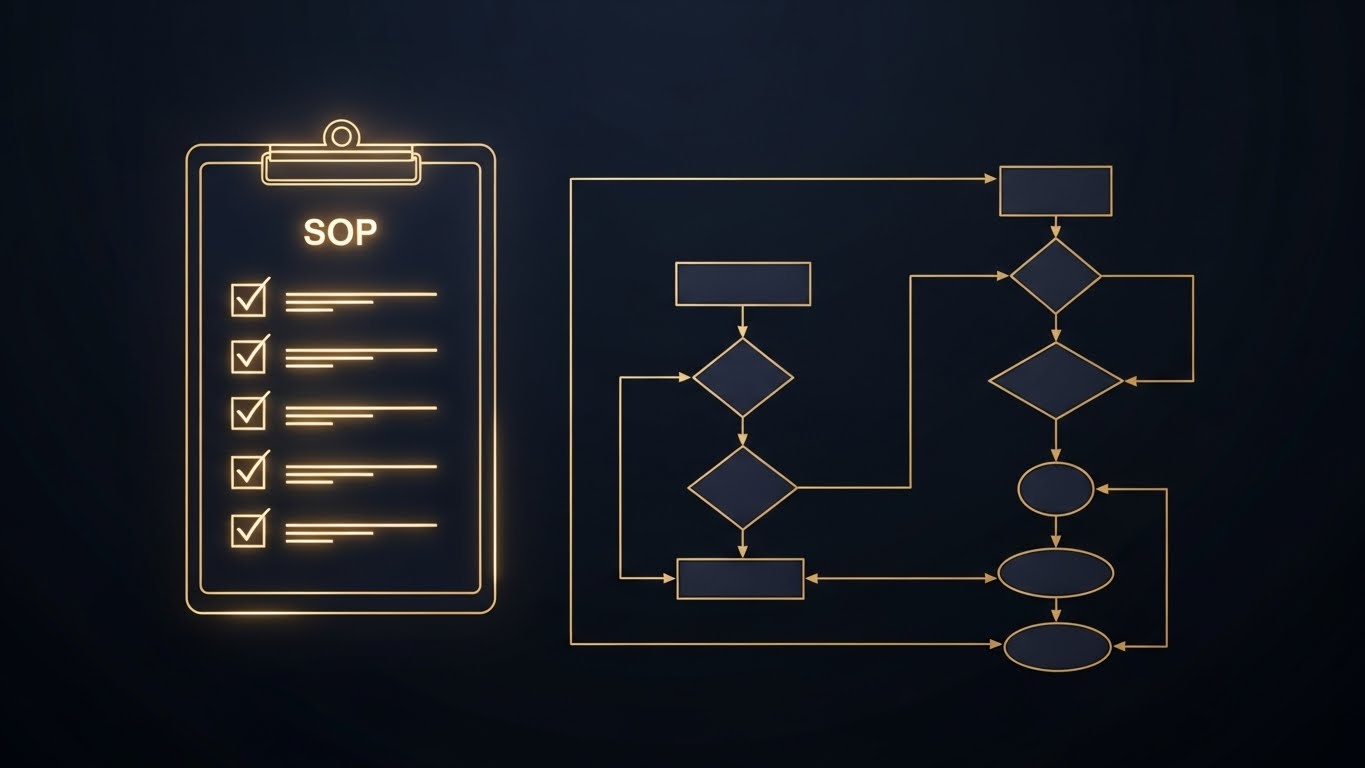
In 2026, disconnected workflows are a business death sentence. Studies show that companies with integrated sales, marketing, and operations teams experience 20% higher annual growth than those operating in silos, highlighting the critical need for workflow automation.
The Power of Unified Workflows
Workflow automation is no longer a luxury, it’s a necessity for survival and growth in today’s competitive landscape. By connecting your sales, marketing, and operations departments through automated processes, you eliminate bottlenecks, reduce errors, and free up valuable time for your team to focus on strategic initiatives. Imagine a world where leads seamlessly transition from marketing to sales, orders automatically trigger fulfillment processes, and customer feedback directly informs product development – that’s the power of unified workflows.
Breaking Down Silos
The biggest obstacle to effective workflow automation is often departmental silos. These silos create communication barriers, lead to duplicated efforts, and hinder the overall customer experience. Start by mapping out your existing processes, identifying pain points, and pinpointing opportunities for integration. Encourage cross-departmental collaboration to foster a shared understanding of goals and processes.
Identifying Key Integration Points
Focus on automating the handoffs between departments. For example, when a marketing qualified lead (MQL) reaches a certain score, automatically create a task for a sales representative in your CRM. When a sale closes, automatically trigger an order fulfillment process in your operations system. These seemingly small integrations can have a significant impact on efficiency and revenue. According to a recent Forrester report, businesses that effectively integrate sales and marketing processes see a 15% increase in sales productivity.
Implementing Automation: A Practical Guide
Implementing workflow automation can seem daunting, but it doesn’t have to be. Start small, focus on high-impact areas, and iterate as you go. Remember, the goal is to streamline processes and improve efficiency, not to create more complexity.
- Choose the Right Tools: Select automation platforms that integrate seamlessly with your existing systems, such as your CRM, marketing automation software, and project management tools.
- Document Your Processes: Clearly document your workflows before automating them. This will help you identify inefficiencies and ensure that your automation efforts are aligned with your business goals.
- Start with Simple Automations: Begin with automating basic tasks, such as lead assignment, email follow-ups, and data entry. As you gain experience, you can tackle more complex workflows.
- Monitor and Optimize: Continuously monitor the performance of your automated workflows and make adjustments as needed. Use data to identify bottlenecks and areas for improvement.
- Train Your Team: Ensure that your team is properly trained on how to use the new automation tools and processes. This will help them embrace the change and maximize the benefits of automation.
AI’s Role in Workflow Automation
Artificial intelligence is revolutionizing workflow automation in 2026. AI-powered tools can analyze data, predict outcomes, and make intelligent decisions, further optimizing your workflows. For instance, AI can automatically prioritize leads based on their likelihood to convert, personalize marketing messages based on customer behavior, and even predict potential bottlenecks in your operations.
Furthermore, AI can automate tasks that were previously too complex or time-consuming for traditional automation tools. Imagine AI-powered chatbots handling customer inquiries, automatically generating reports, and even identifying fraudulent transactions. According to Gartner, by 2028, AI will automate 40% of tasks currently performed by knowledge workers.
Measuring Success and ROI
It’s essential to track the performance of your workflow automation initiatives to measure their impact on your business. Key metrics to monitor include lead conversion rates, sales cycle time, customer satisfaction, and operational efficiency. By tracking these metrics, you can identify areas for improvement and demonstrate the ROI of your automation investments. Companies tracking their automation ROI have seen, on average, a 30% improvement in overall efficiency.
Tracking Key Performance Indicators (KPIs)
Focus on KPIs that directly reflect the impact of your workflow automation efforts. For example, if you’re automating lead nurturing, track the lead-to-opportunity conversion rate. If you’re automating order fulfillment, track the average order processing time. Regularly review these KPIs to identify trends and make data-driven decisions.
Demonstrating Return on Investment (ROI)
Calculate the ROI of your workflow automation projects by comparing the costs of implementation with the benefits achieved. These benefits may include increased revenue, reduced costs, and improved customer satisfaction. Present these findings to stakeholders to demonstrate the value of your automation initiatives and secure further investment. 67% of SMBs report seeing positive ROI within the first year of implementing workflow automation.
Frequently Asked Questions
What are the biggest challenges to workflow automation?
The most common challenges include resistance to change, lack of clear goals, and inadequate integration between systems. Overcoming these challenges requires strong leadership, clear communication, and a well-defined implementation plan.
How do I choose the right automation tools?
Consider your specific business needs, budget, and technical expertise. Look for tools that integrate seamlessly with your existing systems, offer the features you need, and are easy to use.
How can I ensure that my team embraces workflow automation?
Involve your team in the planning process, provide adequate training, and communicate the benefits of automation clearly. Address their concerns and celebrate their successes.
Workflow automation is the key to unlocking efficiency and growth in 2026. By connecting your sales, marketing, and operations departments, you can streamline processes, improve customer experiences, and free up your team to focus on what matters most. S. C. A. L. A. AI OS provides the intelligent automation tools you need to connect your business and scale intelligently. Start your free trial today at app.get-scala.com/register and see the difference that unified workflows can make.
Prova S.C.A.L.A. AI OS gratis per 30 giorni
Inizia Gratis →