💰 Quick Win
Process Analyzer
How to Design Approval Workflows That Do Not Create Bottlenecks
⏱️ 5 min read
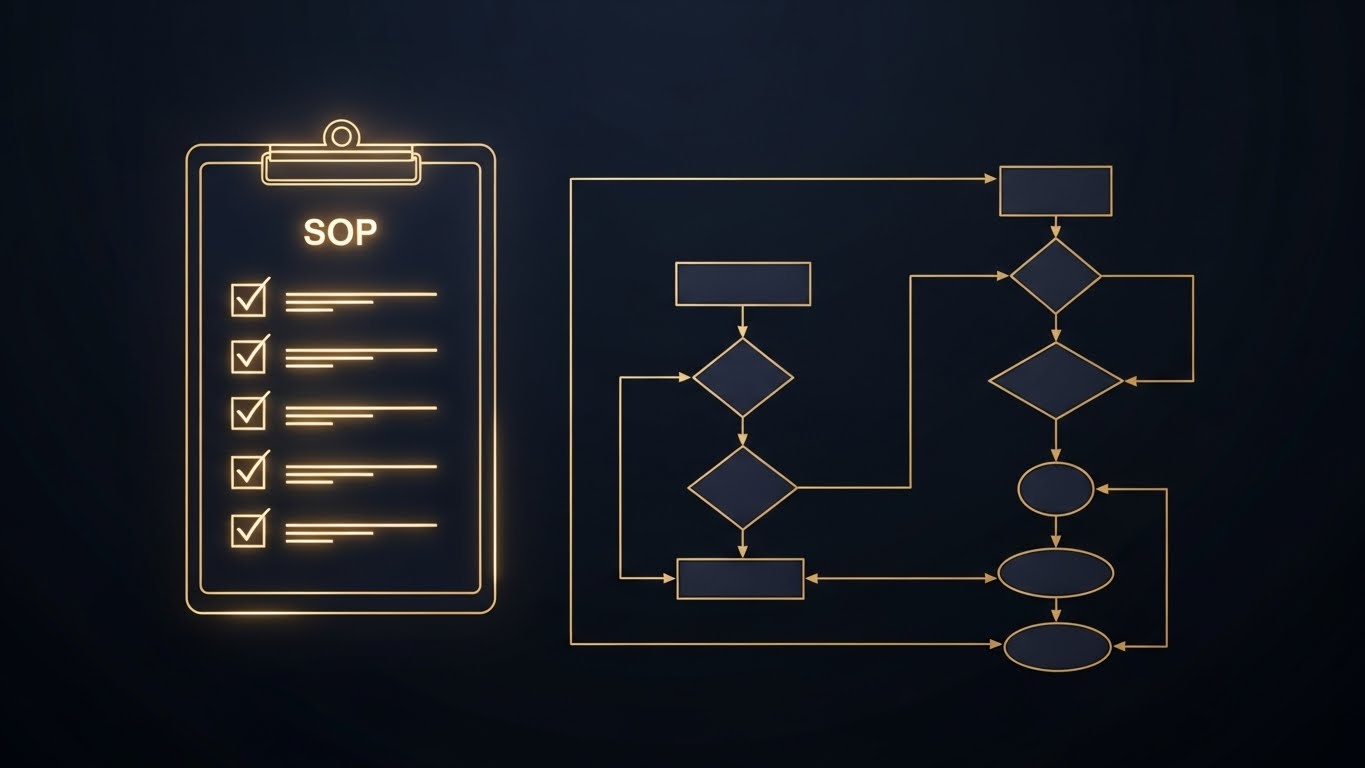
Approval bottlenecks are a silent killer of productivity, with research indicating that delayed approvals cost businesses an average of 20% in project completion time. Designing efficient approval workflows is crucial for SMBs aiming to maintain agility and capitalize on opportunities in the fast-paced 2026 business landscape.
Understanding the Root Causes of Approval Bottlenecks
Before you can fix a problem, you need to understand what’s causing it. Approval bottlenecks rarely stem from a single issue. More often, they are a confluence of factors that, when combined, bring workflows to a standstill.
Common Culprits Behind Workflow Stalls
Several factors contribute to sluggish approval processes. Identify these within your organization to target your improvements effectively:
- Unclear Approval Criteria: When approvers aren’t sure what they’re evaluating, decisions get delayed. Ambiguity leads to second-guessing and further inquiries.
- Too Many Approval Layers: Each approval layer adds time and complexity. Streamline by eliminating unnecessary steps, especially for low-risk items.
- Lack of Delegation: When key decision-makers are unavailable, the entire process halts. Empowering others to approve in their absence is vital.
- Inefficient Communication Channels: Chasing approvals via email or phone is time-consuming. Implement a centralized platform for notifications and approvals.
- Insufficient Information: Approvers lacking necessary data will invariably delay their decision to request more information.
Designing Lean and Efficient Approval Workflows
The key to preventing bottlenecks is to design workflows that are streamlined, transparent, and automated wherever possible. The goal is to minimize manual intervention and ensure information flows smoothly.
- Define Clear Approval Criteria: Document specific, measurable, achievable, relevant, and time-bound (SMART) criteria for each approval stage. Make these readily accessible to all stakeholders.
- Map Out Your Existing Workflows: Visualize your current approval processes to identify redundancies and areas for simplification. Use process mapping tools to gain a clear understanding.
- Implement a Multi-Tiered Approval System: Categorize requests based on risk and impact. Lower-risk items should have fewer approval layers, while high-risk items may require more scrutiny.
- Establish Service Level Agreements (SLAs): Define expected turnaround times for each approval step. Monitor performance against these SLAs and address any deviations promptly. Companies using documented SLAs see a 15% improvement in process efficiency, according to recent industry surveys.
- Delegate Authority Appropriately: Empower team members to approve requests within their areas of expertise and authority. Clearly define delegation rules and limits.
Leveraging AI and Automation for Seamless Approvals
In 2026, AI-powered automation is no longer a luxury but a necessity for efficient approval workflows. AI can automate routine tasks, provide intelligent insights, and even make autonomous approval decisions based on predefined rules and historical data. 67% of SMBs report that automating their approval processes has led to significant time savings and reduced errors. This allows human employees to focus on more strategic, high-value tasks.
Modern AI platforms can analyze data, predict potential bottlenecks, and proactively alert stakeholders to potential delays. They can also learn from past decisions to continuously improve the efficiency and accuracy of the approval process.
Monitoring and Optimizing Your Approval Workflows
Designing a workflow is just the first step. Continuous monitoring and optimization are essential to ensure its ongoing effectiveness. Use key performance indicators (KPIs) to track workflow performance and identify areas for improvement. Regularly solicit feedback from stakeholders to identify pain points and potential enhancements.
Track metrics such as:
- Approval Cycle Time: The time it takes for a request to be fully approved.
- Approval Rejection Rate: The percentage of requests that are rejected.
- Bottleneck Identification: Pinpoint stages where delays frequently occur.
- Stakeholder Satisfaction: Measure satisfaction with the approval process.
Iterative Improvement
Regularly review your approval workflows and make adjustments based on data and feedback. Implement A/B testing to compare different workflow configurations and identify the most effective approach. Embrace a culture of continuous improvement to ensure your approval processes remain optimized for efficiency and agility.
FAQ
How can I convince stakeholders to adopt a new approval workflow?
Highlight the benefits of the new workflow, such as reduced turnaround times, improved transparency, and increased efficiency. Use data to demonstrate the potential ROI of the change. Involve stakeholders in the design process to ensure their buy-in.
What if an approver is consistently unavailable?
Implement a clear delegation policy that allows others to approve in their absence. Consider using automated routing rules to ensure requests are automatically reassigned if an approver is unavailable for a defined period.
How do I balance efficiency with compliance?
Design your workflows to incorporate necessary compliance checks and balances. Use automation to ensure that all required documentation is included and that approvals are properly documented. Regularly audit your workflows to ensure they meet all regulatory requirements.
Efficient approval workflows are a cornerstone of a scalable and agile business. By understanding the root causes of bottlenecks, designing lean processes, leveraging AI and automation, and continuously monitoring and optimizing your workflows, you can unlock significant productivity gains. S. C. A. L. A. AI OS provides a comprehensive suite of tools to help businesses design, automate, and manage their approval workflows, freeing up valuable time and resources. Start your free trial today at app.get-scala.com/register.
Prova S.C.A.L.A. AI OS gratis per 30 giorni
Inizia Gratis →