💰 Quick Win
Process Analyzer
How to Build a Process Improvement Team
⏱️ 4 min read
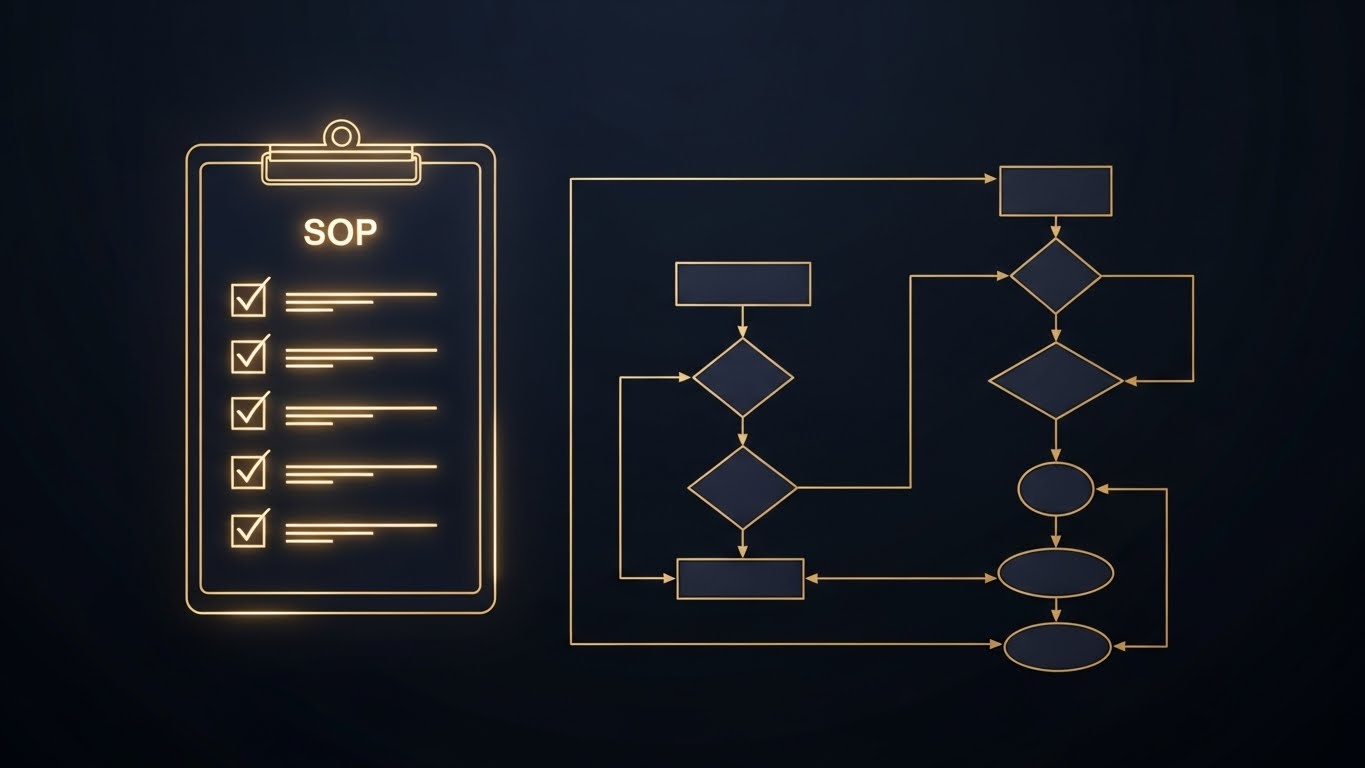
In today’s competitive landscape, process improvement isn’t optional; it’s essential. Studies show that companies with robust process improvement initiatives experience a 20% increase in operational efficiency and a 15% reduction in costs. Building a dedicated process improvement team is the first step toward unlocking these benefits, enabling your SMB to thrive in 2026 and beyond.
Why You Need a Process Improvement Team
Process improvement isn’t just about fixing problems; it’s about creating a culture of continuous optimization. A dedicated team ensures that improvement efforts are focused, consistent, and data-driven. Without a dedicated team, process improvement often becomes ad hoc, reactive, and ultimately ineffective. Furthermore, 72% of SMBs report that a lack of dedicated resources hinders their process improvement efforts.
Benefits of a Dedicated Team
- Increased Efficiency: Streamlined processes lead to faster turnaround times and improved productivity.
- Reduced Costs: Identifying and eliminating waste minimizes unnecessary expenses.
- Improved Customer Satisfaction: Efficient processes translate to better service and happier customers, and happy customers mean increased revenue.
- Enhanced Employee Morale: Employees appreciate streamlined workflows and clear expectations.
- Better Data-Driven Decisions: A dedicated team can collect and analyze data to inform improvement efforts.
Building Your Process Improvement Dream Team
Assembling the right team is crucial for success. Don’t just look for technical skills; prioritize individuals with strong communication, collaboration, and problem-solving abilities. Aim for a diverse team representing different departments to gain a holistic view of your organization’s processes. Remember, in 2026, understanding how AI and automation can be integrated into processes is a key skill for team members to possess.
Key Roles to Consider
- Process Improvement Lead: Responsible for overseeing the entire process improvement initiative, setting goals, and tracking progress.
- Data Analyst: Collects, analyzes, and interprets data to identify areas for improvement. They leverage AI-powered analytics tools to find insights that humans might miss.
- Subject Matter Experts (SMEs): Individuals with deep knowledge of specific processes who can provide valuable insights.
- Change Management Specialist: Helps employees adapt to new processes and overcome resistance to change. This role is more important than ever in an era where AI is rapidly changing the workplace.
- IT Representative: Ensures that technology supports process improvement efforts and can help implement automation solutions.
Actionable Steps to Establish Your Team
Building a successful process improvement team requires careful planning and execution. Here are some actionable steps you can take:
- Define Clear Objectives: What specific processes do you want to improve, and what are your goals? Set SMART (Specific, Measurable, Achievable, Relevant, Time-bound) goals.
- Identify Key Stakeholders: Who will be affected by process changes? Involve them early and often to gain their buy-in.
- Provide Training and Resources: Equip your team with the necessary tools and knowledge to succeed. This includes training on process improvement methodologies (e.g., Lean, Six Sigma) and AI-powered process mining tools.
- Foster a Culture of Continuous Improvement: Encourage employees to identify and suggest improvements. Implement a system for tracking and implementing these suggestions. 67% of employees feel disengaged when their ideas are ignored.
- Regularly Evaluate Progress: Track key metrics and make adjustments as needed. Celebrate successes to maintain momentum.
AI and automation are revolutionizing process improvement. AI-powered process mining tools can automatically identify bottlenecks and inefficiencies in your workflows. Robotic Process Automation (RPA) can automate repetitive tasks, freeing up employees to focus on more strategic activities. Companies leveraging AI in process improvement see an average of 30% improvement in process efficiency.
Frequently Asked Questions
How do I choose the right team members?
Look for individuals with a combination of technical skills, communication skills, and a passion for improvement. Consider using assessments to evaluate candidates’ problem-solving abilities and teamwork skills.
How do I get buy-in from employees who are resistant to change?
Communicate the benefits of process improvement clearly and involve employees in the process. Address their concerns and provide training to help them adapt to new processes.
How do I measure the success of my process improvement team?
Track key metrics such as efficiency gains, cost reductions, customer satisfaction scores, and employee engagement levels. Regularly review these metrics and make adjustments as needed.
Building a process improvement team is a strategic investment that can yield significant returns for your SMB. By following these steps, you can create a team that drives efficiency, reduces costs, and improves customer satisfaction. S. C. A. L. A. AI OS offers a suite of AI-powered tools to help you streamline your processes and achieve your business goals. Start your free trial today at app.get-scala.com/register.
Prova S.C.A.L.A. AI OS gratis per 30 giorni
Inizia Gratis →