💰 Quick Win
Process Analyzer
How to Build a Process Improvement Roadmap
⏱️ 5 min read
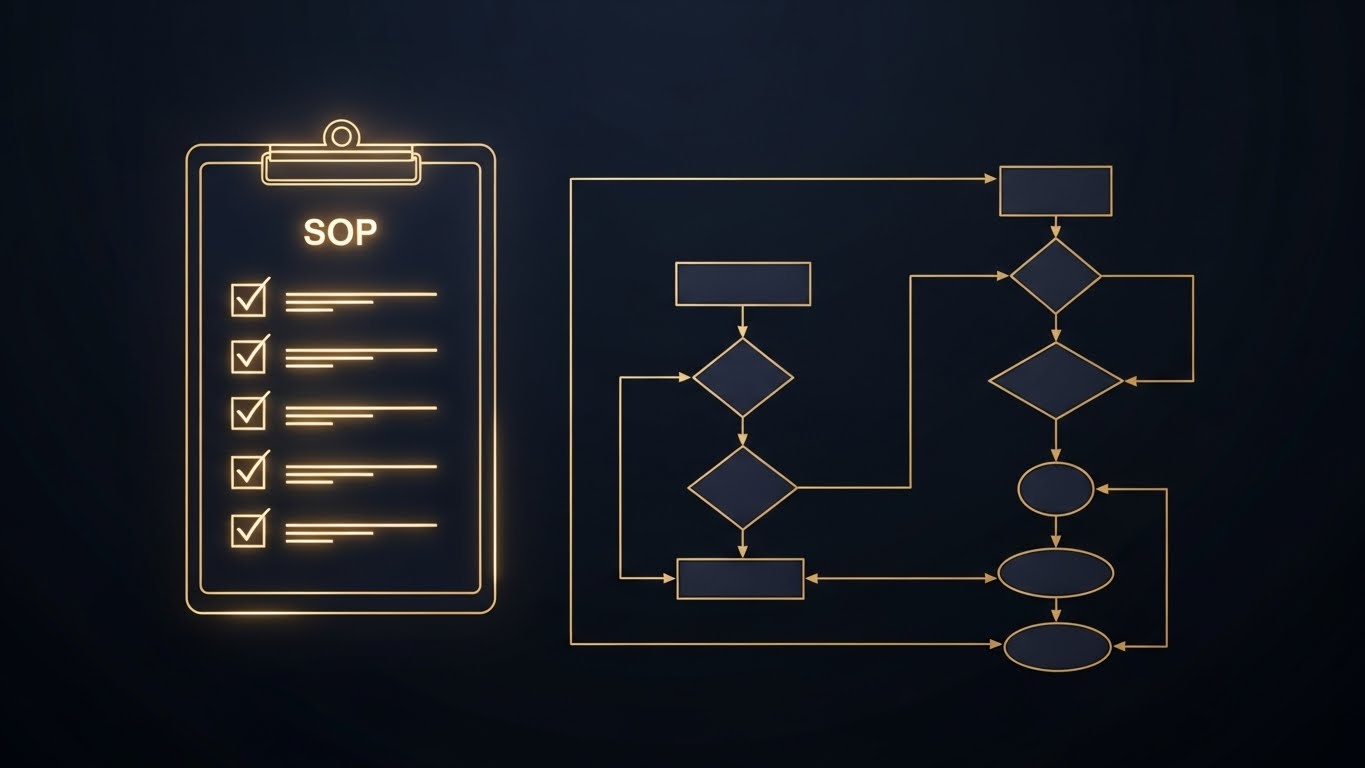
In today’s competitive landscape, process inefficiencies can bleed small and medium businesses dry. Companies that actively pursue process improvement see an average of 20% increase in operational efficiency, highlighting the critical need for a well-defined roadmap.
Understanding the Need for a Process Improvement Roadmap
A process improvement roadmap isn’t just a nice-to-have; it’s a strategic imperative for sustainable growth. It’s a documented, phased plan that outlines how your organization will systematically improve its processes to achieve specific business goals. Without a roadmap, improvement efforts are often ad-hoc, fragmented, and ultimately, less effective. In 2026, with rapidly evolving AI and automation technologies, a well-defined roadmap allows SMBs to strategically integrate these tools for maximum impact.
Identifying Key Areas for Improvement
The first step is pinpointing the processes that are hindering your business. Start by gathering data. Analyze existing workflows, interview employees, and solicit feedback from customers. Common areas ripe for improvement include:
- Customer onboarding: A seamless onboarding experience leads to higher customer retention.
- Sales process: Optimizing the sales cycle can significantly boost revenue.
- Order fulfillment: Efficient fulfillment ensures customer satisfaction and reduces operational costs.
- Invoice processing: Streamlining invoicing improves cash flow and reduces errors.
67% of SMBs report that inefficient processes directly impact their bottom line, emphasizing the importance of accurate identification.
Building Your Roadmap: A Step-by-Step Guide
Creating a robust process improvement roadmap requires a structured approach. Here’s a breakdown of key steps:
- Define Clear Goals: What do you want to achieve? Be specific. Instead of “improve customer satisfaction,” aim for “increase customer satisfaction scores by 15% within six months.”
- Map Current Processes: Document your existing workflows using flowcharts or process mapping software. This provides a visual representation of your current state and helps identify bottlenecks.
- Analyze Process Gaps: Compare your current processes to your desired state. Identify areas where processes are inefficient, redundant, or prone to errors.
- Prioritize Improvements: Not all improvements are created equal. Focus on the areas that will have the biggest impact on your business goals. Consider factors like cost, feasibility, and potential ROI.
- Develop Action Plans: For each prioritized improvement, create a detailed action plan that outlines the steps required, the resources needed, and the individuals responsible.
- Implement Changes: Execute your action plans, making sure to communicate changes clearly to all stakeholders.
- Monitor and Measure Results: Track key metrics to assess the effectiveness of your improvements. Make adjustments as needed to ensure you’re on track to achieve your goals.
Leveraging AI and Automation for Process Optimization
AI and automation are game-changers for process improvement in 2026. Tasks that were once manual and time-consuming can now be automated, freeing up employees to focus on more strategic activities. For instance, AI-powered chatbots can handle routine customer inquiries, while robotic process automation (RPA) can automate repetitive tasks like data entry and invoice processing. Companies using AI-powered automation in their processes report a 40% reduction in operational costs, showcasing the substantial benefits.
Consider how AI can enhance each stage of your process improvement roadmap. AI-powered analytics can provide deeper insights into process performance, helping you identify areas for improvement more effectively. Machine learning algorithms can predict potential bottlenecks and proactively suggest solutions. Furthermore, AI can personalize customer experiences, leading to increased satisfaction and loyalty.
Maintaining and Iterating Your Roadmap
A process improvement roadmap is not a static document. It should be regularly reviewed and updated to reflect changes in your business environment, customer needs, and technological advancements. Schedule regular check-ins to assess progress, identify new opportunities for improvement, and make adjustments to your roadmap as needed. Continuous improvement is key to long-term success. 78% of high-performing SMBs have a system in place for continuous process improvement.
Adapting to Change
The business landscape is constantly evolving. Be prepared to adapt your roadmap to address new challenges and opportunities. This may involve incorporating new technologies, adjusting your goals, or rethinking your approach to process improvement.
Fostering a Culture of Improvement
Process improvement is not just a top-down initiative; it requires the buy-in and participation of all employees. Foster a culture of continuous improvement by encouraging employees to identify problems, suggest solutions, and participate in improvement efforts. Recognize and reward employees who contribute to process improvement initiatives.
Frequently Asked Questions
What if my team resists change?
Address concerns openly, communicate the benefits of the changes, and involve them in the process. Training and support are crucial for successful adoption.
How do I measure the ROI of process improvement?
Identify key metrics before implementation (e.g., time saved, cost reduction, increased customer satisfaction). Track these metrics after implementation and compare the results.
How often should I review my process improvement roadmap?
At least quarterly, but ideally monthly. This allows you to stay agile and respond quickly to changing business needs.
Building a process improvement roadmap is a critical investment for any SMB looking to scale efficiently and effectively. By understanding your current processes, identifying areas for improvement, and leveraging the power of AI and automation, you can create a roadmap that drives significant business results. S. C. A. L. A. AI OS empowers you to build, implement, and manage your process improvement roadmap with intelligent automation and insightful analytics. Start your free trial today at app.get-scala.com/register and unlock the potential of your business.
Prova S.C.A.L.A. AI OS gratis per 30 giorni
Inizia Gratis →