💰 Quick Win
Process Analyzer
How to Measure Process Efficiency: Metrics That Matter
⏱️ 5 min read
Are your business processes running like a well-oiled machine, or are they sputtering and leaking valuable time and resources? In 2026, with increasing competition and the rapid adoption of AI, inefficient processes can be the difference between thriving and struggling; in fact, studies show that companies with optimized processes experience a 30% increase in operational efficiency. Let’s dive into the key metrics that will help you measure and improve your process efficiency.
Understanding Process Efficiency: What to Measure
Process efficiency isn’t just about speed; it’s about maximizing output while minimizing waste. It’s about getting the most bang for your buck in terms of time, resources, and effort. To effectively measure process efficiency, you need to identify the key areas that directly impact your bottom line. Ignoring these metrics can lead to missed opportunities for improvement and ultimately, decreased profitability. 67% of SMBs report that understanding key process metrics is crucial for maintaining a competitive edge in today’s market.
Key Performance Indicators (KPIs) for Process Efficiency
Focusing on the right KPIs is essential. Here are a few critical ones:
- Cycle Time: The total time it takes to complete a process from start to finish. Reducing cycle time often translates to increased throughput and customer satisfaction. Aim to benchmark your current cycle times and then track progress towards improvement.
- Throughput: The number of units or tasks completed within a given timeframe. High throughput indicates efficient processes and effective resource utilization. A 2025 study found that increasing throughput by 15% can lead to a 10% increase in revenue.
- Error Rate: The percentage of errors or defects that occur during a process. A high error rate indicates inefficiencies and potential bottlenecks. Reducing errors not only improves quality but also minimizes rework and associated costs.
- Resource Utilization: How effectively your resources (people, equipment, materials) are being used. Underutilized resources represent wasted potential, while overutilization can lead to burnout and quality issues.
- Cost per Unit: The total cost (labor, materials, overhead) associated with producing one unit of output. Tracking this metric helps identify areas where costs can be reduced through process improvements.
Tools and Techniques for Measurement
Measuring process efficiency isn’t about guesswork; it requires a systematic approach and the right tools. Fortunately, in 2026, we have access to a plethora of technological solutions that make this process easier and more accurate.
- Process Mapping: Visualize your processes to identify bottlenecks and areas for improvement. Use flowcharts or specialized process mapping software to create a clear picture of your workflows.
- Data Collection: Implement systems for collecting data on your KPIs. This could involve tracking time spent on tasks, monitoring error rates, and measuring resource utilization.
- Data Analysis: Analyze the data you collect to identify trends, patterns, and areas for improvement. Use statistical analysis tools or data visualization software to gain insights from your data.
- Process Audits: Regularly audit your processes to ensure they are being followed correctly and to identify any deviations from the established procedures.
Leveraging AI and Automation for Process Optimization
In 2026, AI and automation are no longer just buzzwords; they are essential tools for optimizing business processes. AI-powered platforms can automate repetitive tasks, identify bottlenecks, and provide real-time insights into process performance. By automating data collection and analysis, businesses can gain a deeper understanding of their processes and identify opportunities for improvement that would otherwise be missed. For example, AI can analyze customer service interactions to identify common pain points and automate responses to frequently asked questions, reducing response times and improving customer satisfaction. Companies implementing AI-driven process automation report a 40% reduction in operational costs on average.
Practical Tips for Improving Process Efficiency
Measuring process efficiency is only the first step; the real value comes from taking action to improve your processes. Here are some actionable tips you can implement immediately:
- Eliminate Waste: Identify and eliminate any activities that don’t add value to the process. This could involve streamlining workflows, reducing unnecessary steps, or automating repetitive tasks.
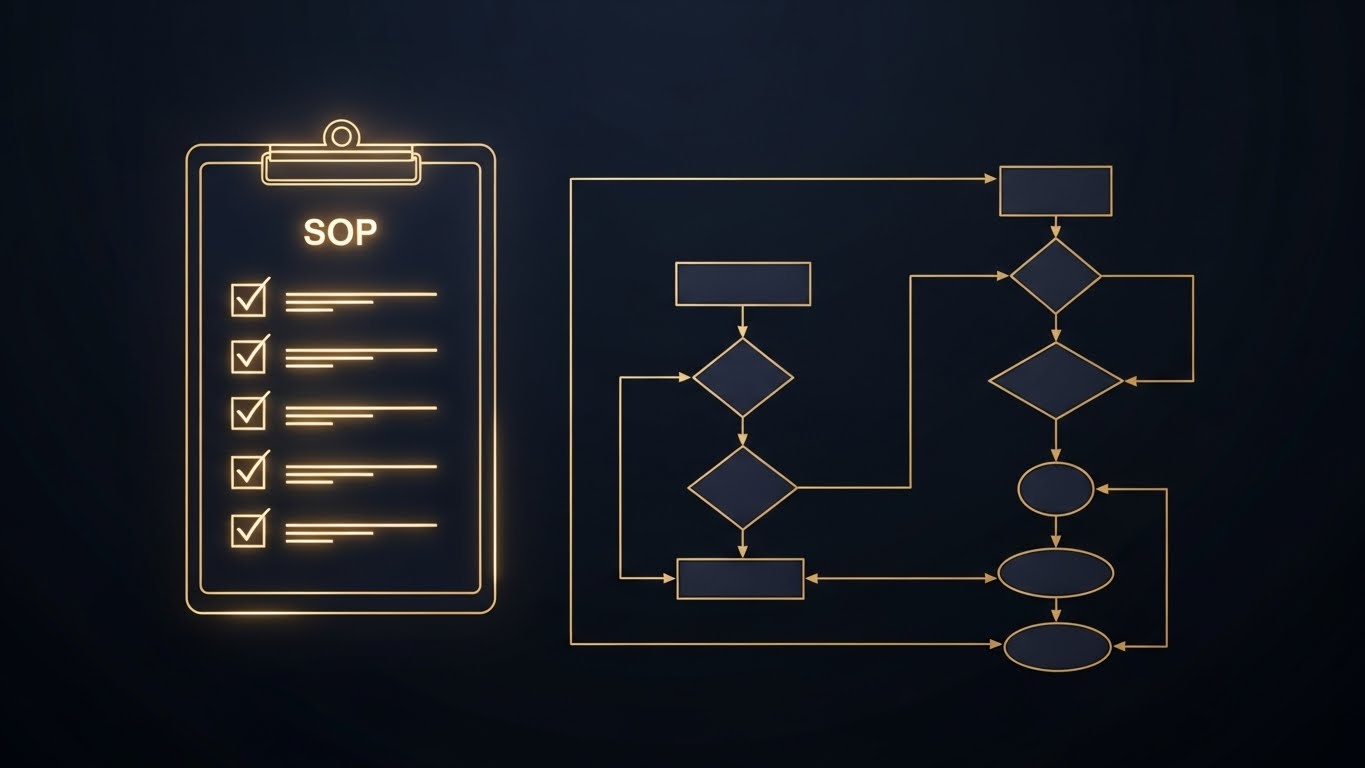
- Standardize Processes: Implement standardized procedures to ensure consistency and reduce errors. This can involve creating checklists, templates, or standard operating procedures (SOPs).
- Automate Repetitive Tasks: Automate tasks that are repetitive, time-consuming, or prone to error. This frees up employees to focus on more strategic activities and improves overall efficiency.
- Empower Employees: Give employees the autonomy and resources they need to improve processes. Encourage them to identify and implement solutions to problems they encounter.
- Continuously Monitor and Improve: Process optimization is an ongoing process. Continuously monitor your KPIs and make adjustments as needed to ensure your processes are running as efficiently as possible.
FAQ: Common Questions About Process Efficiency
What is the difference between efficiency and effectiveness?
Efficiency is about doing things right (minimizing waste), while effectiveness is about doing the right things (achieving desired outcomes). Both are important for overall business success.
How often should I measure process efficiency?
The frequency of measurement depends on the process and your business needs. However, it’s generally recommended to measure key KPIs at least monthly to identify trends and potential issues.
What if I don’t have the resources to implement sophisticated measurement systems?
Start small and focus on measuring a few key KPIs that have the biggest impact on your business. Use simple tools like spreadsheets or free online resources to track your progress.
Measuring process efficiency is no longer a luxury, but a necessity for businesses seeking to thrive in the competitive landscape of 2026. By understanding the key metrics, leveraging the right tools, and embracing AI and automation, you can optimize your processes and unlock significant gains in productivity, profitability, and customer satisfaction. Ready to take control of your process efficiency? Start your free trial of S. C. A. L. A. AI OS today at app.get-scala.com/register and see how intelligent automation can transform your business.
Prova S.C.A.L.A. AI OS gratis per 30 giorni
Inizia Gratis →