How Standard Operating Procedures Transforms Businesses: Lessons from the Field
⏱️ 8 min read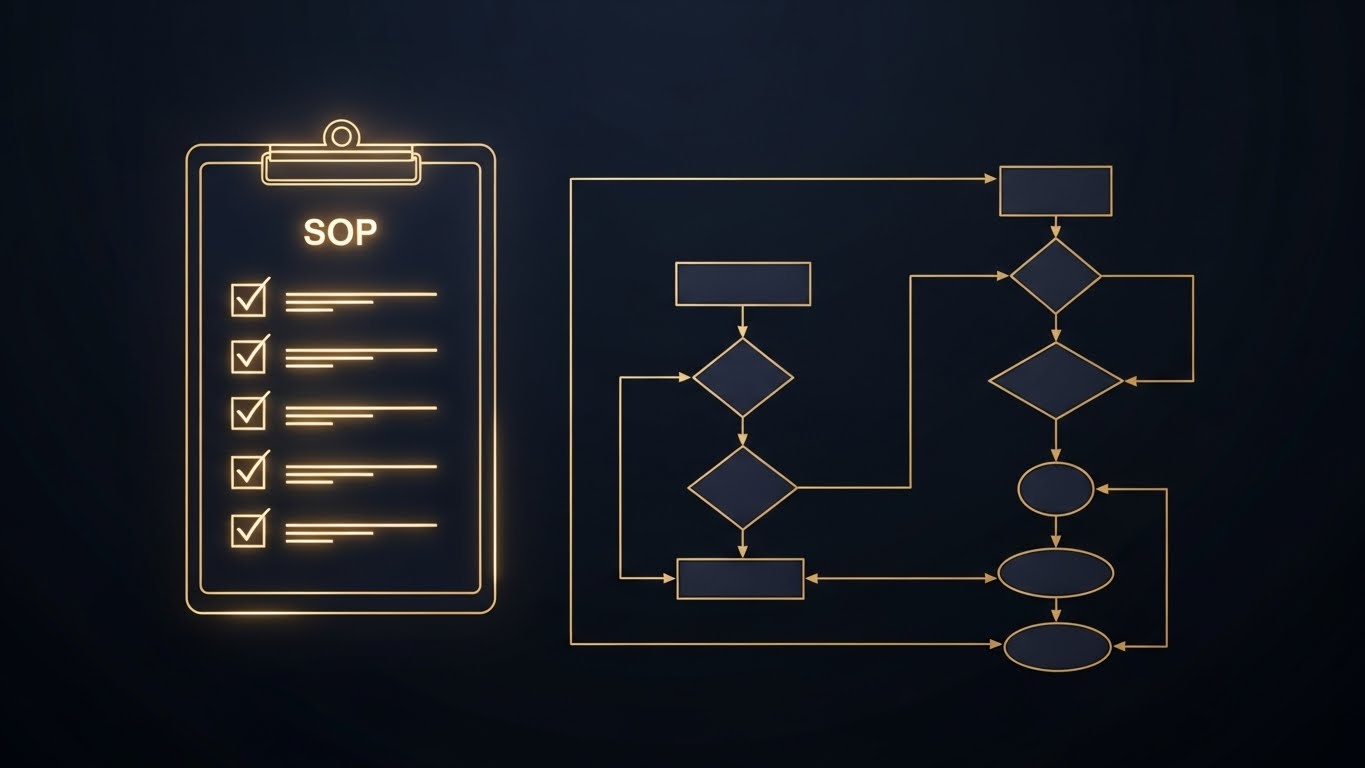
Inconsistent operational execution isn’t a minor glitch; it’s a systemic drain. Enterprises that operate without clearly defined, consistently followed processes face up to a 30% increase in operational overhead due to rework, errors, and knowledge silos. This isn’t theoretical; it’s a measurable inefficiency that erodes margins and stifles growth. For any organization aiming for predictable outcomes and scalable operations, the establishment and rigorous adherence to standard operating procedures are not merely a recommendation but a foundational engineering requirement. They transform chaotic, tribal knowledge into repeatable, auditable workflows.
Defining Standard Operating Procedures: Engineering Predictability
Standard Operating Procedures (SOPs) are explicit, step-by-step instructions compiled by an organization to help workers carry out complex routine operations. They are the blueprints for operational excellence, ensuring tasks are performed consistently, safely, and efficiently. From an engineering perspective, SOPs are akin to a robust API documentation for internal processes: they define inputs, expected outputs, and the precise sequence of operations required to achieve a desired state, minimizing variance and maximizing reliability.
Beyond Simple Checklists: The Engineering Perspective
While a checklist ensures steps are remembered, an SOP defines *how* each step is executed, *why* it’s important, and *what* constitutes successful completion. It codifies best practices, risk mitigation strategies, and compliance requirements into an actionable sequence. This isn’t about bureaucracy; it’s about reducing cognitive load, preventing single points of failure, and establishing a baseline for performance measurement and continuous improvement. Consider a software deployment: a checklist might confirm “deploy to staging,” but the SOP details the artifact versioning, rollback strategy, specific commands, and post-deployment validation steps. Without this level of detail, human error becomes a significant variable.
Core Components for Actionable Guidance
Effective standard operating procedures typically include:
- Purpose and Scope: Clearly state what the procedure aims to achieve and its boundaries.
- Roles and Responsibilities: Identify who is accountable for each step.
- Prerequisites and Resources: List necessary tools, data, or prior actions.
- Step-by-Step Instructions: Granular, unambiguous directions, often with decision points.
- Performance Metrics/Validation: How success is measured and verified.
- Troubleshooting/Escalation: What to do when deviations occur.
- Version Control and Approval: Metadata for accountability and currency.
In 2026, integrating rich media like short instructional videos or interactive diagrams into these components, powered by AI-driven content generation, significantly enhances clarity and adoption, especially for complex tasks.
The Tangible ROI of Robust Standard Operating Procedures
The implementation of well-structured standard operating procedures translates directly into quantifiable business benefits. This isn’t soft value; it’s hard savings and accelerated growth.
Reducing Errors and Rework: The Cost of Inconsistency
Organizations operating without formalized SOPs typically experience a 25-50% higher error rate in routine tasks compared to those with mature process documentation. Each error, whether it’s a misconfigured server, an incorrectly processed customer order, or a compliance breach, incurs a cost: rework hours, material waste, customer dissatisfaction, or regulatory fines. By standardizing processes, we eliminate ambiguity, which is the primary root cause of many operational failures. For instance, a standardized data entry procedure can reduce input errors by 35%, directly improving data integrity and reducing subsequent downstream processing issues.
Accelerating Onboarding and Knowledge Transfer
New hires in companies with robust standard operating procedures can reach full productivity 30-40% faster. Instead of relying on ad-hoc training from busy colleagues, they follow structured, proven pathways. This efficiency gain isn’t just for new employees; it’s critical for cross-training, succession planning, and mitigating the impact of employee turnover. When an experienced team member leaves, their institutional knowledge doesn’t evaporate; it remains codified within the SOPs. This structured approach to knowledge management reduces operational risk and fosters a culture of continuous learning, critical for adapting to evolving market demands.
Designing Effective Standard Operating Procedures
Effective SOPs don’t write themselves, nor are they merely documentation. They are products of careful process engineering, demanding clarity, precision, and an understanding of the operational context.
Mapping the Workflow: From Trigger to Outcome
Before writing a single step, map the entire process. Utilize tools like BPMN (Business Process Model and Notation) or simpler flowcharts to visualize the sequence, decision points, and parallel activities. Identify the trigger event, the desired end state, and all intermediate steps. In an AI-augmented environment of 2026, tools can ingest activity logs and automatically suggest process maps, highlighting bottlenecks or common deviations. This mapping phase is crucial for identifying redundancies, non-value-added steps, and potential automation opportunities. For complex processes, especially those involving multiple departments, consider a hybrid methodology blending agile iterations for SOP development with a strong foundational process mapping.
Choosing the Right Format and Tools
The format of your standard operating procedures must align with their complexity and the user’s needs. Simple tasks might use a checklist, moderate tasks a bulleted list, and complex operations might require detailed flowcharts or decision trees. Tools range from simple document processors to specialized knowledge management systems. Modern platforms, like the S.C.A.L.A. Process Module, leverage AI to offer dynamic content generation, version control, and access management. Crucially, the chosen tool should facilitate easy searching, linking to related documents, and seamless updates. The goal is accessibility and usability, not just archival.
Implementing and Integrating SOPs into Daily Operations
Creating SOPs is only half the battle; the other half is ensuring they are adopted, utilized, and integrated into the daily operational fabric. A well-written SOP gathering dust is as useless as no SOP at all.
Training and Adoption Strategies
Rollout isn’t a one-time event. Effective SOP implementation requires comprehensive training. This isn’t just reading the document aloud; it involves practical walkthroughs, hands-on exercises, and opportunities for feedback. Link SOPs directly to training modules and performance reviews. Establish champions within teams who can advocate for and guide colleagues on SOP adherence. Aim for an initial adoption rate of at least 80% within the first quarter of implementation. Gamification, where teams earn points or recognition for SOP adherence and quality output, can also drive engagement, particularly for routine tasks.
Version Control and Accessibility
SOPs are living documents. They must evolve as processes change, technologies advance, or new insights emerge. Robust version control is non-negotiable, providing an auditable history of changes and ensuring everyone is working from the current approved version. Centralized, easily searchable repositories are critical for accessibility. If an employee can’t find the correct SOP in under 30 seconds, its utility is significantly diminished. Integrate SOP access directly into operational dashboards or task management systems where the work happens. For example, a CRM might link directly to an SOP for handling a specific customer complaint type.
Leveraging AI and Automation in SOP Management (2026 Context)
The advancements in AI and automation are transforming how we manage and interact with standard operating procedures, shifting them from static documents to dynamic, intelligent assets.
AI-Powered Document Generation and Update
In 2026, AI models can analyze existing documentation, chat logs, and even recorded screen shares to draft initial SOPs or suggest updates to existing ones. Large Language Models (LLMs) can synthesize information from various sources, ensuring consistency and completeness, reducing the manual effort of drafting by up to 60%. Furthermore, AI can monitor process execution data to identify deviations or inefficiencies, then proactively suggest modifications to SOPs, effectively closing the loop between process definition and actual execution. This transforms SOP maintenance from a reactive, laborious task into a proactive, AI-assisted continuous improvement cycle.
Automated Compliance and Performance Monitoring
AI-driven process mining tools can analyze system logs and operational data to automatically verify adherence to standard operating procedures. This allows for real-time compliance monitoring, identifying deviations before they escalate into significant issues. For example, if an SOP requires specific approval steps for a financial transaction, AI can flag any transaction that bypasses those steps. This significantly reduces manual auditing efforts and improves regulatory compliance by 10-20%. Beyond compliance, AI can measure the actual time taken for each step against the defined SOP benchmarks, providing actionable insights for process optimization and individual performance feedback, feeding directly into project management insights.
Measuring the Efficacy of Your Standard Operating Procedures
Like any engineered system, standard operating procedures require measurement and evaluation to ensure they are performing as intended and delivering value. Without data, process improvement is guesswork.
Key Performance Indicators for Process Health
Metrics aren’t just for end products; they apply equally to processes. Key KPIs for SOP efficacy include:
- Error Rate: The percentage of tasks completed incorrectly despite SOP adherence.
- Cycle Time: The average time to complete a process, compared to the SOP-defined ideal.
- Compliance Rate: The percentage of times an SOP is followed exactly as written.
- Training Time Reduction: How much faster new hires become proficient using SOPs.