8 Ways to Improve Quality Management System in Your Organization
⏱️ 8 min di lettura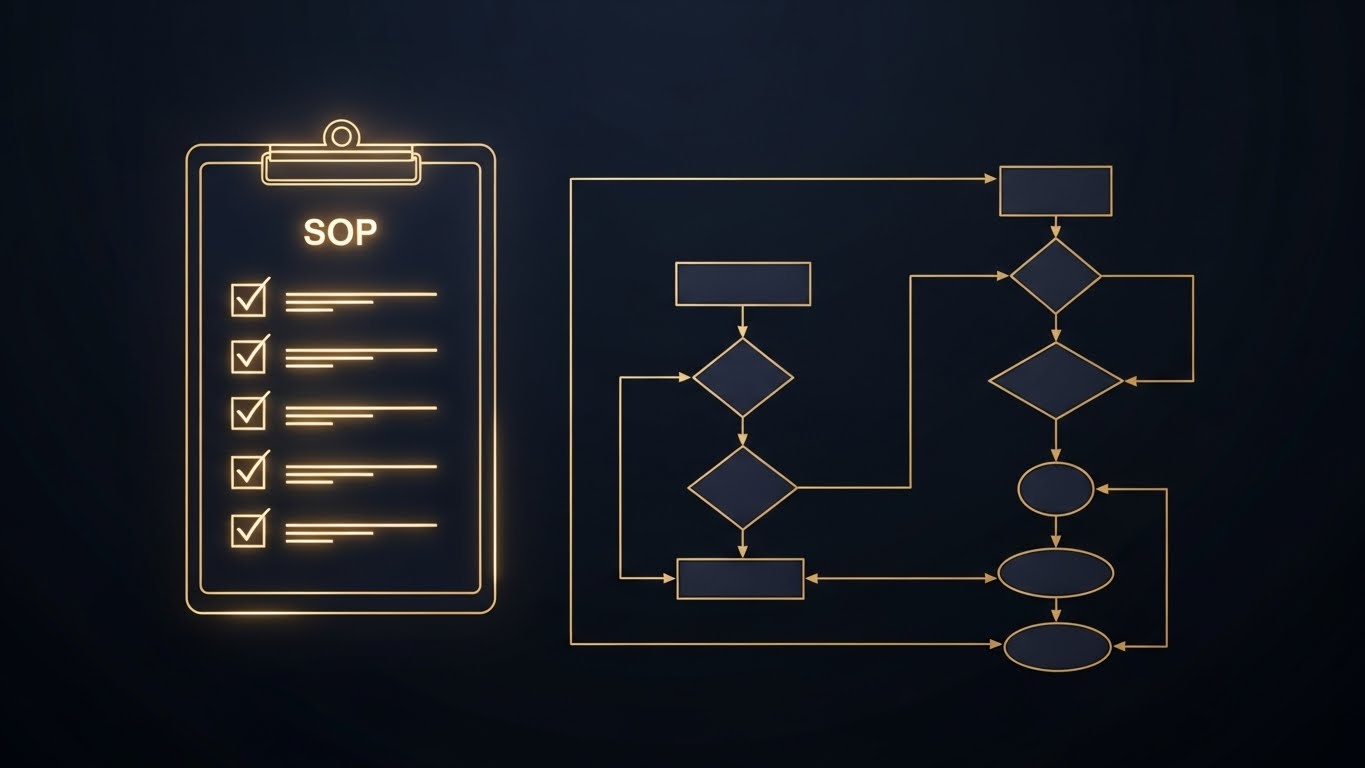
Imagine a symphony orchestra where each musician plays by their own rules, where instruments are out of tune, and the conductor improvises the score on the fly. The result? Discord. Chaos. A performance that fails to captivate, let alone delight. Now, apply that image to your business. Without a clear, harmonized framework, your operations can quickly devolve into a similar cacophony. In the hyper-competitive landscape of 2026, where digital natives and AI-powered enterprises set the pace, the luxury of operational discord is simply unaffordable. Studies suggest that the cost of poor quality – from rework and warranty claims to lost customers and damaged reputation – can eat up anywhere from 5% to a staggering 30% of your gross sales. This isn’t just a budget line item; it’s a silent, insidious drain on your potential, stifling growth before it even begins. This is precisely why a meticulously designed and dynamically managed quality management system isn’t just a best practice; it’s the very heartbeat of scalability, resilience, and sustained competitive advantage for any SMB looking to thrive.
The Unseen Architect: Why Your Business Needs a Quality Management System
Beyond Compliance: Cultivating Operational Excellence
For too long, the concept of a quality management system (QMS) has been pigeonholed as a bureaucratic necessity, a checkbox exercise for ISO certification. While compliance remains a vital aspect, the modern QMS, particularly in an AI-driven era, transcends mere adherence. It’s the strategic architect building a foundation of operational excellence. Think of it as your business’s central nervous system, ensuring every process, every interaction, and every output is not just good enough, but consistently optimized for superior results. A robust QMS, like the renowned ISO 9001 framework, provides a systematic approach to continuous improvement, guiding organizations to consistently meet customer requirements and enhance customer satisfaction. Companies adopting a mature QMS framework often report a 15-20% reduction in operational costs due to minimized waste and optimized resource allocation. It shifts the paradigm from reactive problem-solving to proactive prevention, transforming potential pitfalls into predictable pathways to success.
The Silent Killer: The Cost of Poor Quality
In the digital age, a single negative customer experience can echo across social media, inflicting disproportionate damage to brand reputation. The “cost of poor quality” (COPQ) isn’t just theoretical; it’s a tangible drain on your bottom line. This encompasses internal failure costs (rework, scrap, re-inspection), external failure costs (warranty claims, customer complaints, returns, lost sales), appraisal costs (testing, audits), and prevention costs (quality planning, training). A recent analysis revealed that for many SMBs, COPQ can represent 10-15% of total revenue. Imagine reclaiming even a fraction of that lost revenue. This is the promise of a well-implemented quality management system. It acts as an early warning system, identifying inefficiencies and potential failure points before they escalate into costly problems. By standardizing processes, enhancing communication, and fostering a culture of accountability, a QMS directly combats these hidden costs, freeing up capital and resources that can be reinvested into innovation and growth. It’s about building quality in, not inspecting defects out – a fundamental shift that saves time, money, and most importantly, your reputation.
Pillars of Precision: Core Components of a Robust Quality Management System
Documenting the Blueprint: Processes, Policies, and Procedures
At the heart of any effective quality management system lies a meticulously documented blueprint. This isn’t about creating reams of dusty binders, but rather about establishing clarity and consistency across your operations. Your QMS blueprint includes:
- Policies: High-level statements outlining your organization’s commitment to quality and objectives.
- Processes: Detailed descriptions of how specific tasks are performed, from customer onboarding to product delivery. This includes identifying inputs, outputs, resources, and responsible parties. Process mapping tools, often integrated within modern platforms like S.C.A.L.A. AI OS, visualize these workflows, making them easy to understand and optimize.
- Procedures: Step-by-step instructions on executing specific tasks within a process, ensuring uniformity regardless of who performs them.
The Human Element & Continuous Learning
A QMS isn’t just about documents and data; it’s fundamentally about people. Employee engagement is a critical success factor, with studies showing that organizations with highly engaged teams achieve 21% greater profitability. A robust QMS champions:
- Training and Competency: Ensuring every team member possesses the necessary skills and knowledge to perform their roles effectively. AI-driven personalized learning paths can identify skill gaps and recommend targeted training modules.
- Communication and Collaboration: Fostering an environment where feedback is encouraged, problems are openly discussed, and improvements are collaboratively designed. Platforms facilitating async communication are vital here, ensuring clarity and traceability.
- Empowerment and Accountability: Giving employees ownership over their processes and empowering them to identify and implement improvements.
The S.C.A.L.A. Advantage: Quality Management System Reimagined for 2026
Predictive Power: AI-Driven Quality Assurance
In 2026, the concept of a quality management system is profoundly transformed by artificial intelligence. S.C.A.L.A. AI OS isn’t just about tracking quality; it’s about predicting it. Our platform leverages advanced AI and machine learning to move beyond reactive quality control to proactive quality assurance. Imagine real-time anomaly detection in your production line or service delivery, where AI flags deviations from standard operating procedures *before* they result in defects or customer dissatisfaction. S.C.A.L.A. processes vast datasets – from sensor readings in manufacturing to customer interaction logs in service industries – to identify subtle patterns indicative of impending quality issues. For instance, in a SaaS environment, our AI can analyze user behavior, system performance metrics, and ticketing systems data to predict potential churn risks or service degradation with up to 85% accuracy. This predictive capability allows SMBs to intervene early, preventing problems and maintaining consistent, high-level quality without the need for constant human oversight, significantly reducing the cost of quality and enhancing customer loyalty.
Seamless Integration: Automating Compliance & Workflow
One of the most significant advancements S.C.A.L.A. brings to the QMS landscape is the automation of traditionally labor-intensive tasks. Compliance, for example, often involves meticulous record-keeping, audit trails, and periodic reviews. Our AI automates the collection, organization, and verification of compliance data, ensuring that your QMS is always audit-ready. This can reduce audit preparation time by up to 50% and minimize human error. Furthermore, S.C.A.L.A. integrates seamlessly with your existing operational workflows, acting as an intelligent overlay that enhances rather than disrupts.
- Automated Workflows: From document approval processes to corrective and preventive action (CAPA) procedures, S.C.A.L.A. automates routing, notifications, and follow-ups, ensuring nothing falls through the cracks.
- Intelligent Reporting: Our AI generates customized reports and dashboards, providing instant, actionable insights into your quality performance metrics, empowering data-driven decision-making.
- Risk Mitigation Integration: By connecting quality data with risk management frameworks, S.C.A.L.A. proactively identifies and assesses quality-related risks, suggesting mitigation strategies before they impact operations.
Crafting Your Quality Legacy: Implementing an Effective Quality Management System
Strategic Phasing: A Step-by-Step Approach
Implementing a quality management system doesn’t have to be an overwhelming endeavor. For SMBs, a strategic, phased approach is key:
- Secure Leadership Commitment: Quality starts at the top. Ensure leadership understands and champions the QMS initiative. Their buy-in is paramount for resource allocation and cultural shift.
- Define Scope and Objectives: What specific areas of your business will the QMS initially cover? What are your measurable quality objectives (e.g., reduce customer complaints by 15%, improve delivery time by 10%)?
- Identify Core Processes: Map out your key operational processes. Start with those that have the greatest impact on customer satisfaction or internal efficiency.
- Document and Standardize: Develop clear policies, processes, and procedures for these core areas. Start simple and iterate. Leverage AI tools for drafting and consistency checks.
- Train and Engage Your Team: Educate employees on the QMS, their roles within it, and the benefits. Encourage feedback and participation.
- Implement and Monitor: Roll out the QMS, track performance