Why Process Mapping Is the Competitive Edge You’re Missing
⏱️ 10 min read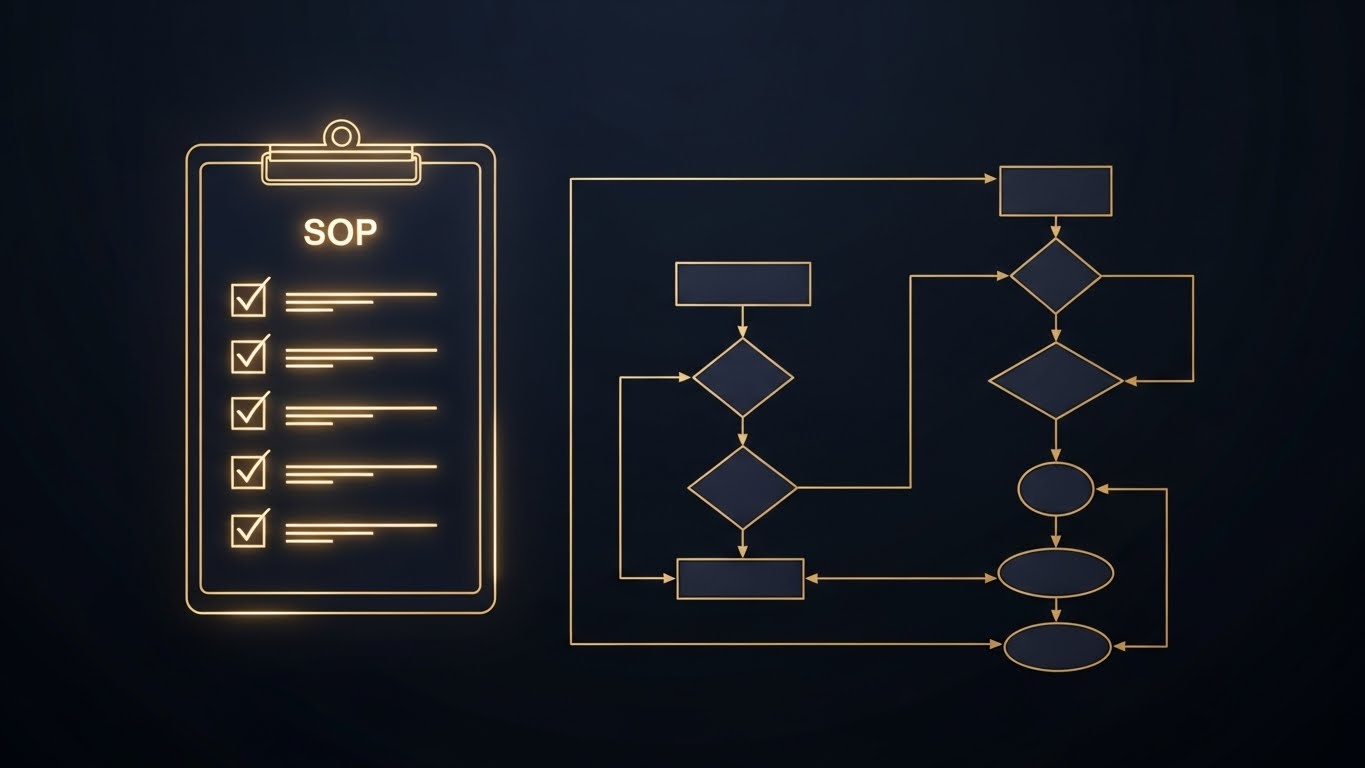
In the dynamic global business landscape of 2026, where digital transformation is no longer an aspiration but an existential imperative, the true cost of inefficient processes can be staggering. For Small and Medium-sized Businesses (SMBs) navigating diverse markets, these inefficiencies can erode profit margins by as much as 20-30%, stifle innovation, and impede scalability. This isn’t merely about lost revenue; it’s about forfeited growth opportunities, particularly when competing against agile, AI-powered enterprises. The solution, often overlooked in its foundational simplicity, lies in rigorous process mapping – a discipline that, when executed strategically, becomes the bedrock for intelligent automation and sustainable international expansion. As an International Growth Manager at S.C.A.L.A. AI OS, I’ve witnessed firsthand how a clear, data-driven understanding of internal operations transforms potential into tangible market presence, enabling SMBs to not just survive but thrive across borders.
The Global Imperative of Process Mapping in 2026
The contemporary business environment demands more than just product-market fit; it requires process-market fit. For SMBs with multi-market aspirations, understanding and optimizing internal workflows is paramount. In 2026, with global supply chains more interconnected and customer expectations higher than ever, a robust approach to process mapping is not just good practice, but a critical competitive differentiator.
Navigating Complexity in Multi-Market Operations
Operating across different regions introduces a myriad of complexities: varying regulatory frameworks, cultural nuances, distinct customer behaviors, and fragmented operational systems. Without clear process maps, standardizing operations becomes a Sisyphean task. For instance, a customer onboarding process that works seamlessly in Frankfurt might encounter significant friction in Tokyo due to cultural preferences for communication or data privacy regulations. Effective process mapping allows businesses to identify these regional divergences, standardize core operations where possible, and localize others deliberately. This proactive approach can reduce market entry friction by up to 15% and accelerate time-to-market for new products or services by ensuring that every stage, from concept to delivery, is clearly defined and adaptable.
The AI-Driven Shift in Operational Excellence
The advent of sophisticated AI and automation tools has fundamentally reshaped how we approach operational excellence. In 2026, AI-powered process discovery tools can automatically map existing workflows by analyzing system logs and user interactions, often uncovering ‘shadow IT’ processes that human observation misses. This capability not only accelerates the mapping phase but provides an objective, data-rich view of current state operations. For SMBs, this means moving beyond manual diagramming to leveraging AI for predictive analytics, identifying potential bottlenecks *before* they impact performance, and simulating process changes to evaluate their impact without disrupting live operations. The integration of AI into process mapping transforms it from a static documentation exercise into a dynamic, intelligent system for continuous improvement, leading to an average 10-20% gain in efficiency within the first year of implementation for early adopters.
Deconstructing Process Mapping: Beyond the Flowchart
While often associated with simple flowcharts, modern process mapping is a sophisticated discipline that involves a range of methodologies and notations to represent workflows in granular detail. It’s about creating a living blueprint of how work gets done, identifying interdependencies, and highlighting areas for strategic intervention.
Core Components and Notations (BPMN, SIPOC)
At its heart, process mapping involves identifying inputs, outputs, roles, decisions, and sequences of activities. While basic flowcharts serve as a good starting point, professional environments often utilize more standardized notations. The Business Process Model and Notation (BPMN) is globally recognized, offering a rich set of symbols to represent complex processes in a clear, unambiguous manner. It’s particularly effective for mapping processes that will be automated, ensuring that both business stakeholders and technical teams speak the same language. Another powerful tool is SIPOC (Suppliers, Inputs, Process, Outputs, Customers), which provides a high-level view of a process from beginning to end, clarifying boundaries and key stakeholders. Using these frameworks helps to create comprehensive Standard Operating Procedures (SOPs) that are universally understood, regardless of geographical location or cultural background, crucial for seamless global operations.
Identifying Value Streams and Non-Value-Added Activities
A critical aspect of effective process mapping, heavily influenced by Lean principles, is the identification of value streams. This involves discerning which steps truly add value for the customer (internal or external) and which are non-value-added activities, often categorized as waste (e.g., waiting, overproduction, defects, unnecessary motion, excessive processing, inventory, unused talent – the “eight wastes”). By mapping the journey a product or service takes from initiation to delivery, SMBs can pinpoint inefficiencies and bottlenecks that inflate costs or delay delivery. Eliminating just 10-15% of non-value-added steps can result in significant cost savings and faster cycle times, directly impacting profitability and customer satisfaction across all markets.
Strategic Advantages of Effective Process Mapping for SMBs
Beyond mere documentation, process mapping serves as a strategic instrument, empowering SMBs to achieve operational excellence, foster innovation, and build a resilient foundation for global expansion.
Enhancing Operational Efficiency and Cost Reduction
One of the most immediate benefits of meticulous process mapping is the ability to identify redundancies, remove bottlenecks, and streamline workflows. By visualizing every step, businesses can spot opportunities for automation, consolidate tasks, and eliminate unnecessary handoffs. For instance, mapping the procurement process might reveal that 30% of purchase orders require manual reconciliation due to disparate systems. Implementing a unified system, guided by the process map, could reduce this manual effort by 80%, freeing up resources and accelerating delivery. This operational clarity leads directly to cost reductions, improved resource allocation, and a noticeable uptick in productivity, often translating to a 15-25% improvement in overall efficiency.
Fostering Agility and Digital Transformation
In 2026, agility is the currency of competitive advantage. Process maps provide the clarity needed to adapt quickly to market changes, regulatory shifts, or technological advancements. When an SMB decides to integrate a new AI-powered CRM or adopt a cloud-based ERP system, a well-defined process map acts as the blueprint for migration and integration, minimizing disruption and ensuring a smooth transition. Furthermore, by clearly understanding current processes, businesses can proactively identify areas ripe for digital transformation, automating repetitive tasks, and reallocating human capital to higher-value, strategic activities. This fosters a culture of continuous improvement and innovation, enabling SMBs to swiftly deploy new technologies and scale their operations globally without compromising quality or control.
Implementing Process Mapping: A Phased Approach
Successful process mapping is not a one-time project but an ongoing commitment. It requires a structured, phased approach to ensure accuracy, buy-in, and sustainable impact across diverse organizational cultures.
Defining Scope and Stakeholder Engagement
The first critical step is to clearly define the scope of the process to be mapped. Is it an end-to-end customer journey, a specific finance operation, or a cross-functional marketing campaign? A tightly defined scope prevents scope creep and ensures focused effort. Equally important is robust stakeholder engagement. This means involving individuals from all levels and departments impacted by the process – from front-line staff who execute the tasks daily to senior management who define strategy. Engaging at least 80% of relevant Cross-Functional Teams from the outset is crucial for gathering accurate information, identifying pain points, and fostering a sense of ownership, which is paramount for successful implementation and adoption across different geographical teams.
Data Collection and Visualization Techniques
Once the scope and stakeholders are defined, the next phase involves gathering detailed information about the current state process. This can include interviews, direct observation, workshops, and analyzing existing documentation. For global operations, this often requires cultural sensitivity and language adaptability. The collected data is then translated into visual maps using tools ranging from simple whiteboards to sophisticated BPMN software. Consider using swimlane diagrams to clearly delineate responsibilities across departments or roles, especially in multi-market scenarios where ownership can be ambiguous. The goal is to create a visual representation that is easily understood by everyone, regardless of their technical background or location, enabling universal comprehension and actionable insights.
Leveraging AI and Automation in Process Mapping
In 2026, the synergy between AI, automation, and process mapping represents a paradigm shift. These technologies don’t just facilitate mapping; they transform it into an intelligent, predictive, and continuously optimizing function.
Predictive Analytics for Bottleneck Identification
Traditional process mapping identifies existing bottlenecks; AI-powered analytics predict future ones. By analyzing historical process data, transaction logs, and performance metrics, AI algorithms can detect patterns and anomalies that indicate potential chokepoints before they manifest. For example, an AI system might predict a future bottleneck in a complex Procurement Strategy due to anticipated supply chain disruptions or seasonal demand surges. This predictive capability allows SMBs to proactively reallocate resources, adjust workflows, or even simulate alternative process paths to mitigate risks, saving potentially millions in lost productivity and missed deadlines. This shift from reactive problem-solving to proactive optimization is a game-changer for maintaining consistent service delivery across global markets.
Automated Process Discovery and Simulation
Manual process mapping can be time-consuming and prone to human error, especially in large, complex organizations with numerous interconnected systems. Automated process discovery, often called Process Mining, leverages AI and machine learning to analyze event logs from IT systems (ERPs, CRMs, workflow tools) to automatically construct accurate process maps. This provides an objective, data-driven view of how processes *actually* run, often revealing deviations from documented procedures. Once processes are discovered, AI-powered simulation tools allow businesses to test various “what-if” scenarios – such as increasing transaction volume by 50% or reducing a specific resource by 20% – to understand the impact on performance metrics like cycle time, cost, and resource utilization. This enables data-backed decision-making for process improvement and the intelligent deployment of automation, potentially automating 30-50% of repetitive, rules-based tasks and redirecting human effort towards strategic initiatives.
Overcoming Common Challenges in Multi-Cultural Environments
Implementing process mapping across diverse cultural and geographical landscapes presents unique challenges. Navigating these complexities is essential for achieving truly global operational excellence.
Bridging Communication Gaps and Cultural Nuances
Effective process mapping relies heavily on clear communication and consensus. In multi-cultural environments, this means being acutely aware of language barriers, differing communication styles (e.g., direct vs. indirect), and varying attitudes towards hierarchy and feedback. Workshops might need to be facilitated by culturally sensitive experts, documentation translated accurately, and visual aids universally understood. For instance, a direct challenge to an existing process, common in some Western cultures, might be perceived as disrespectful in others, leading to resistance. Adopting inclusive facilitation techniques and ensuring multiple channels for feedback can bridge these gaps, fostering a collaborative environment where all voices are heard and valued, ultimately leading to more robust and culturally adaptable process designs.
Ensuring Global Buy-in and Standardization
Achieving buy-in for standardized processes across different regions is often the biggest hurdle. Local teams may resist changes to their “ways of working,” citing local peculiarities. While some localization is necessary, core processes often benefit from standardization. This requires a compelling narrative about the benefits of standardization (e.g., enhanced quality, reduced costs, easier training, better customer experience) and demonstrating how it contributes to the overall global success of the SMB. Involving regional leaders in the design and decision-making process, rather than imposing solutions top-down, is crucial. Pilot programs in specific regions, showcasing tangible benefits, can also build momentum and trust, encouraging wider adoption and leading to a more harmonized global operational footprint, typically improving cross-regional consistency by 25-40%.
Measuring Success and Continuous Improvement
The journey of process mapping doesn’t end with a completed diagram. It’s an iterative cycle of measurement, analysis, and refinement, especially vital for an SMB seeking sustained global growth.
Key Performance Indicators (KPIs) for Process Optimization
To truly understand the impact of process mapping and subsequent optimization efforts, defining clear Key Performance Indicators (KPIs) is essential. These might include metrics like cycle time reduction (e.g., reducing order fulfillment from 3 days to 2), error rate decrease (e.g., fewer invoice discrepancies by 15%), cost per transaction reduction, or improved