Why Process Documentation Is the Competitive Edge You’re Missing
⏱️ 6 min read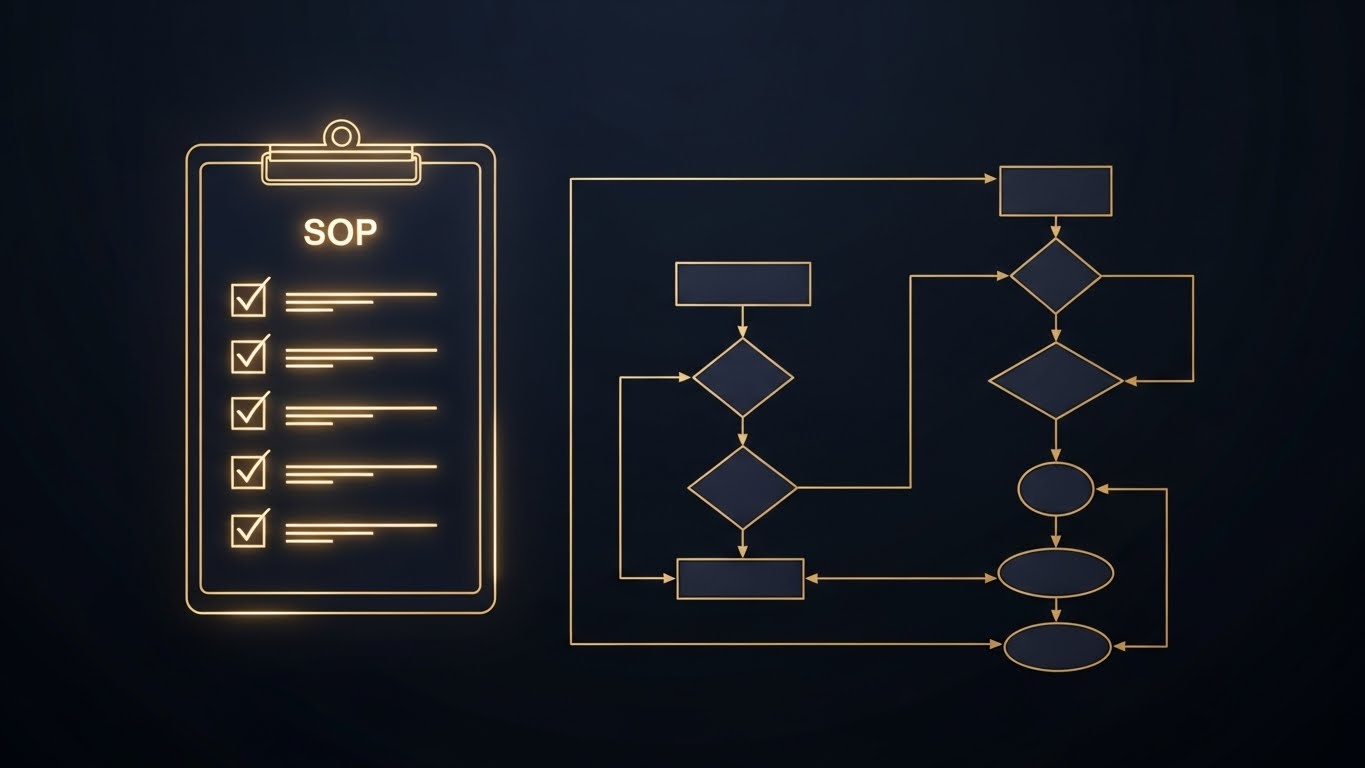
Let me tell you, folks, in my decades helping startups grow – and sometimes, frankly, helping them claw their way back from the brink – I’ve seen a lot. I’ve seen brilliant ideas crash and burn not because the product was bad, but because the operations were a mess. I’ve seen founders pull their hair out, engineers quit, and customers walk away, all because nobody bothered to write down how things actually get done. It’s 2026, and if your business isn’t treating process documentation as a strategic imperative, you’re not just leaving money on the table; you’re actively setting fire to it. We’re talking about a silent killer that costs businesses billions annually in wasted time, errors, and lost talent. It’s time to stop the bleeding.
The Silent Killer of Growth: Why Process Documentation Isn’t Optional Anymore
The Cost of “Knowing It In Your Head”
There’s a romantic notion that brilliant people just *know* how to do things. They’ve got it all in their heads. And sure, for a while, that works. Until that brilliant person takes a vacation. Or leaves for a new opportunity. Or, God forbid, gets sick. I watched a promising SaaS company nearly go under because their lead developer, the only one who truly understood a critical deployment process, was out for emergency surgery. For two weeks, the entire operation ground to a halt. Revenue dipped 40% that month. That’s the cost of tribal knowledge, folks – a ticking time bomb waiting to explode. Without proper process documentation, you’re building your castle on quicksand.
From Chaos to Control: Your First Line of Defense
Think of process documentation as your operational DNA. It’s the blueprint that ensures consistency, quality, and scalability. It’s your first and best defense against chaos. It clarifies responsibilities, reduces misunderstandings, and provides a clear path for every task, every project, every customer interaction. In a world moving at warp speed, especially with AI-driven competitors nipping at your heels, you can’t afford to be guessing or reinventing the wheel every time.
What Exactly *Is* Process Documentation in the AI Era of 2026?
Beyond Static Manuals: Dynamic, AI-Powered Blueprints
Forget the dusty binders filled with outdated procedures. In 2026, process documentation is a living, breathing, digital entity. It’s no longer just about writing down steps; it’s about creating intelligent, interconnected knowledge bases that are easily searchable, automatically updated, and even generated with AI assistance. We’re talking about interactive flowcharts, integrated videos, linked resources, and real-time performance metrics all tied to specific tasks. It’s about making information instantly accessible and actionable, not just stored.
The “Living Document” Philosophy
The “living document” isn’t just a buzzword; it’s a necessity. Your processes evolve, your tools change, and your team grows. Your documentation must evolve with it. This means regular reviews, built-in feedback loops, and a culture where updates are as routine as the processes themselves. AI tools can now flag discrepancies, suggest improvements, and even draft initial updates based on operational data, turning what used to be a monumental chore into a streamlined, continuous improvement cycle.
War Story: The Day “Tribal Knowledge” Almost Sank the Ship
The Unseen Risks of Undocumented Expertise
I remember a client, a mid-sized e-commerce firm. They had this incredible customer service lead, Maria, who could resolve any issue, calm any customer, and turn a complaint into a rave review. Everyone loved Maria. But Maria had never documented her methods. Her “secret sauce” was all in her head. When she decided to move to a different country for family reasons, the team was left floundering. Customer satisfaction scores plummeted by 15% in a month. New hires struggled, and even experienced agents couldn’t replicate her success because the knowledge simply wasn’t transferable. The cost of losing Maria wasn’t just her salary; it was the erosion of customer trust and brand reputation.
Building Resilience, Not Reliance
This isn’t about replacing your valuable people; it’s about empowering them and protecting your business. Process documentation builds organizational resilience. It ensures that critical knowledge is not tied to any single individual but becomes an institutional asset. It’s about making sure your business can not only survive but thrive, even when key players move on or unexpected events occur.
The Hard Numbers: Unlocking Tangible ROI with Process Documentation
Boosting Operational Efficiency by 20-30%
This isn’t theory; it’s fact. Studies, including internal analyses at S.C.A.L.A. AI OS, show that well-documented processes can reduce operational inefficiencies by 20% to 30%. Think about it: less time spent figuring out “how,” more time spent “doing.” Employees who have clear guidelines make fewer errors, which in turn reduces rework and waste. One client, after systematically documenting their core sales process, saw a 25% reduction in quote generation errors and a 10% increase in sales conversion rates within six months.
Cutting Onboarding Time and Costs
Onboarding new employees is expensive, often costing 1.5 to 2 times an employee’s salary. A significant portion of that cost is lost productivity during the ramp-up phase. With robust process documentation, new hires can become productive much faster. They don’t have to constantly interrupt colleagues with basic questions. They can learn at their own pace, following clear, step-by-step guides. We’ve seen clients cut onboarding time by up to 50% for roles where documentation was comprehensive, saving thousands of dollars per hire and boosting morale.
Blueprint for Resilience: Ensuring Business Continuity and Remote Readiness
Navigating Disruption with Documented Procedures
The last few years taught us a brutal lesson: expect the unexpected. Natural disasters, pandemics, cyberattacks – they can all disrupt operations in an instant. Your ability to recover quickly hinges on clear, accessible documentation. How do you pivot to remote work? How do you access critical systems off-site? What are the emergency protocols? Without business continuity plans built upon solid process documentation, you’re flying blind. I’ve seen businesses crumble because a single server went down and nobody knew the exact restart sequence or where the backups were located.
Empowering Your Remote Work Strategy
Remote and hybrid workforces are here to stay. But they demand a level of clarity and independence that undocumented processes simply cannot provide. When your team isn’t physically together, explicit process documentation becomes the connective tissue. It ensures everyone is on the same page, regardless of their location or time zone. It prevents miscommunication, delays, and duplicated efforts, making your remote team