💰 Quick Win
Process Analyzer
Standard Work Instructions: Templates and Best Practices
⏱️ 4 min read
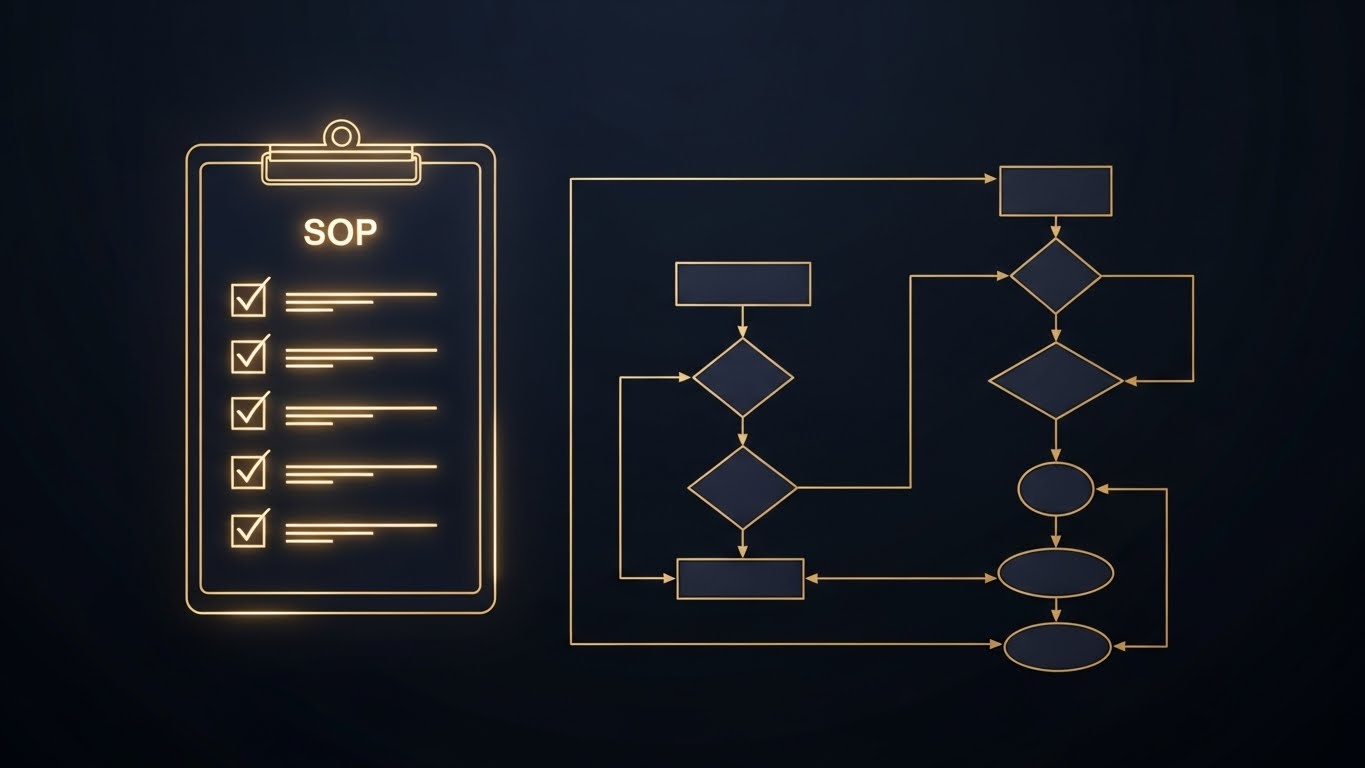
In today’s competitive landscape, standardized processes are no longer optional; they’re essential for survival. In fact, companies with well-defined standard work instructions (SWIs) see a 23% improvement in operational efficiency and a 15% reduction in errors, directly impacting profitability and customer satisfaction.
What are Standard Work Instructions (SWIs) and Why Do You Need Them?
Standard Work Instructions (SWIs) are detailed, step-by-step guides that describe how to perform a specific task consistently and safely. Think of them as the playbook for your business, ensuring everyone is on the same page, regardless of their experience level. For SMBs, which often lack the resources of larger corporations, SWIs are a game-changer, creating repeatability and scalability.
Benefits of Implementing SWIs
- Increased Efficiency: SWIs eliminate guesswork, streamlining processes and reducing wasted time.
- Improved Quality: Consistent execution leads to fewer errors and higher-quality output.
- Reduced Training Costs: New employees can quickly learn procedures with clear, documented instructions. Studies show companies using comprehensive SWIs reduce training time by up to 40%.
- Enhanced Safety: SWIs can incorporate safety protocols, minimizing workplace accidents and injuries.
- Better Compliance: Documented procedures help ensure adherence to regulations and industry standards.
Creating Effective Standard Work Instructions: A Step-by-Step Guide
Developing SWIs might seem daunting, but breaking it down into manageable steps makes the process much easier. Here’s a practical approach you can implement immediately:
- Identify Key Processes: Start by focusing on the processes that have the biggest impact on your business, such as order fulfillment, customer onboarding, or product manufacturing.
- Observe and Document: Shadow experienced employees performing the task and meticulously document each step. Don’t just write down what they *should* do, but what they *actually* do.
- Create a Visual Guide: Use screenshots, diagrams, and videos to illustrate each step. Visual aids make SWIs easier to understand and follow. Research indicates that visual SWIs are 35% more effective than text-only versions.
- Keep it Simple and Concise: Use clear, concise language and avoid jargon. Each step should be easily understood by anyone, regardless of their technical expertise.
- Test and Refine: Have employees test the SWIs and provide feedback. Use their input to refine and improve the instructions.
- Regularly Review and Update: Processes change over time, so it’s crucial to regularly review and update SWIs to ensure they remain accurate and relevant. Aim to review critical SWIs at least quarterly.
Templates and Tools for Streamlining SWI Creation
You don’t have to start from scratch. Numerous templates and tools can help you create SWIs more efficiently. Consider using:
- Word Processing Software: Microsoft Word or Google Docs can be used to create basic SWIs.
- Flowchart Software: Lucidchart or Visio can help you visualize processes.
- Screen Recording Software: Loom or Camtasia can be used to create video tutorials.
- Dedicated SWI Software: Platforms like Trainual or ProcedureFlow offer features specifically designed for creating and managing SWIs.
By leveraging these tools, you can significantly reduce the time and effort required to develop effective SWIs.
Leveraging AI and Automation for SWI Management
In 2026, AI plays a significant role in optimizing SWI creation and management. AI-powered platforms can automatically generate draft SWIs by analyzing process data and identifying bottlenecks. Furthermore, AI can personalize SWIs based on employee roles and skill levels, ensuring that everyone receives the information they need in a format that is easy to understand. Automated version control and distribution further streamline the process, guaranteeing that employees always have access to the most up-to-date instructions. It’s predicted that by 2028, 70% of SMBs will use AI-driven tools to manage their SWIs.
FAQ: Standard Work Instructions
What is the difference between SOPs and SWIs?
Standard Operating Procedures (SOPs) are broader and cover overall policies and guidelines. Standard Work Instructions (SWIs) are more specific, providing detailed step-by-step instructions for performing individual tasks.
How often should I update my SWIs?
At a minimum, review SWIs annually. However, any time a process changes, the corresponding SWI should be updated immediately.
Who should be involved in creating SWIs?
Ideally, involve the employees who perform the task regularly. Their expertise and insights are invaluable in creating accurate and effective instructions.
Implementing Standard Work Instructions is a strategic investment that yields significant returns in efficiency, quality, and employee satisfaction. By embracing this approach, SMBs can create a more scalable and sustainable business model. S. C. A. L. A. AI OS provides the intelligent automation tools needed to streamline your processes and create effective SWIs. Start your free trial today at app.get-scala.com/register and unlock the power of AI-driven process optimization.
Prova S.C.A.L.A. AI OS gratis per 30 giorni
Inizia Gratis →