💰 Quick Win
Process Analyzer
How to Standardize Processes Across Multiple Locations
⏱️ 5 min read
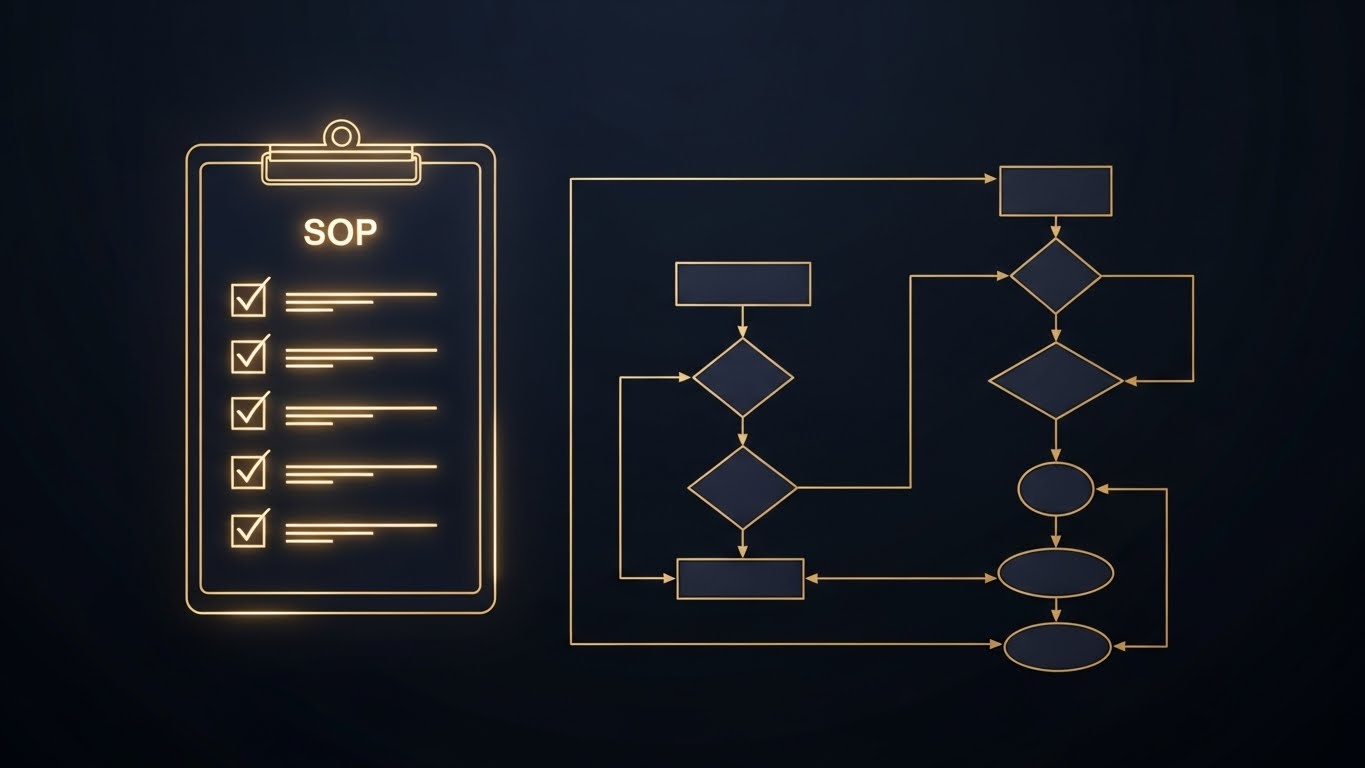
Managing a business with multiple locations can feel like herding cats. A recent study showed that businesses lacking standardized processes across locations experience a 32% reduction in overall operational efficiency. This article will show you how to wrangle those processes and create a streamlined, consistent, and scalable business, especially with the help of modern AI solutions.
The Foundation: Mapping and Documenting Current Processes
Before you can standardize, you need to understand what you’re currently doing. This involves meticulously mapping and documenting every key process at each location. Don’t gloss over details; the devil is truly in them. 67% of SMBs report that inconsistent documentation is a significant barrier to scaling effectively.
Process Audits: Identifying Variations
Conduct thorough process audits at each location. Observe how employees perform tasks, interview them about their workflows, and collect data on key performance indicators (KPIs) at each stage. Look for variations in how the same task is performed across different locations. Are different software platforms being used? Are different steps being followed? Document everything.
Creating Process Flowcharts
Turn your documentation into visual process flowcharts. Tools like Lucidchart or Miro can be invaluable here. These flowcharts should clearly illustrate each step in the process, decision points, and responsible parties. This visual representation will help you identify bottlenecks, inefficiencies, and areas where standardization can have the biggest impact. Remember to include time estimations for each step.
Developing Standard Operating Procedures (SOPs)
Once you have a clear understanding of your current processes, it’s time to develop SOPs. These are detailed, written instructions that outline exactly how each task should be performed. Think of them as the bible for your business operations.
- Clarity is Key: Use clear, concise language. Avoid jargon and technical terms that employees may not understand.
- Visual Aids: Include screenshots, diagrams, and videos to illustrate complex tasks. A picture is worth a thousand words.
- Accessibility: Make SOPs easily accessible to all employees. A centralized online repository is ideal. Consider a knowledge base platform.
- Regular Updates: SOPs are not static documents. Review and update them regularly to reflect changes in your business or industry best practices. Plan for quarterly reviews.
- Training: Don’t just hand out SOPs; provide training to ensure employees understand and can follow them. Implement a system of certification.
Leveraging AI and Automation for Standardization
In 2026, AI and automation are playing an increasingly crucial role in process standardization. AI-powered platforms can analyze your documented processes, identify inefficiencies, and even automatically generate optimized SOPs. Furthermore, Robotic Process Automation (RPA) can automate repetitive tasks, ensuring consistency across all locations. For example, AI can monitor customer service interactions, flag deviations from standardized scripts, and provide real-time feedback to agents, leading to a 15% improvement in customer satisfaction scores. AI-powered scheduling tools can also optimize staff allocation across locations based on predicted demand, ensuring consistent service levels.
Implementation and Monitoring
Standardization isn’t a one-time project; it’s an ongoing process. After implementing your SOPs, you need to monitor their effectiveness and make adjustments as needed.
Tracking Key Performance Indicators (KPIs)
Identify the KPIs that are most relevant to your business and track them across all locations. This will allow you to see how well your standardized processes are working and identify areas where further improvement is needed. Example KPIs include customer satisfaction scores, sales conversion rates, and operational costs. Companies that meticulously track and react to KPIs experience a 29% higher rate of success with standardization efforts.
Gathering Employee Feedback
Your employees are on the front lines, so their feedback is invaluable. Regularly solicit feedback from them about the SOPs and identify any challenges they are facing. Encourage them to suggest improvements. Creating feedback loops ensures buy-in and continuous improvement. Use surveys and regular team meetings to collect this information.
Continuous Improvement
Use the data and feedback you collect to continuously improve your standardized processes. Don’t be afraid to experiment with new approaches and make adjustments as needed. The goal is to create a system that is constantly evolving to meet the changing needs of your business. Embrace a culture of continuous improvement.
FAQ
How often should I review and update my SOPs?
At a minimum, you should review and update your SOPs quarterly. However, if there are significant changes to your business or industry, you may need to update them more frequently.
How do I get employee buy-in for standardization?
Involve employees in the process from the beginning. Explain the benefits of standardization and solicit their feedback. Providing training and ongoing support is also essential.
What are the biggest challenges to standardization?
Resistance to change, lack of communication, and inadequate training are common challenges. Addressing these issues proactively will increase your chances of success.
Standardizing processes across multiple locations is a complex but essential undertaking for any growing business. By mapping and documenting your current processes, developing clear SOPs, leveraging AI and automation, and implementing a robust monitoring system, you can create a streamlined, consistent, and scalable business. S. C. A. L. A. AI OS offers a suite of tools to help you achieve this, from process analysis and SOP generation to automated task management and performance tracking. Start your free trial today at app.get-scala.com/register and see how S. C. A. L. A. can help you scale smarter.
Prova S.C.A.L.A. AI OS gratis per 30 giorni
Inizia Gratis →