💰 Quick Win
Process Analyzer
Digital Transformation in Accounting: From Manual to Automated
⏱️ 5 min read
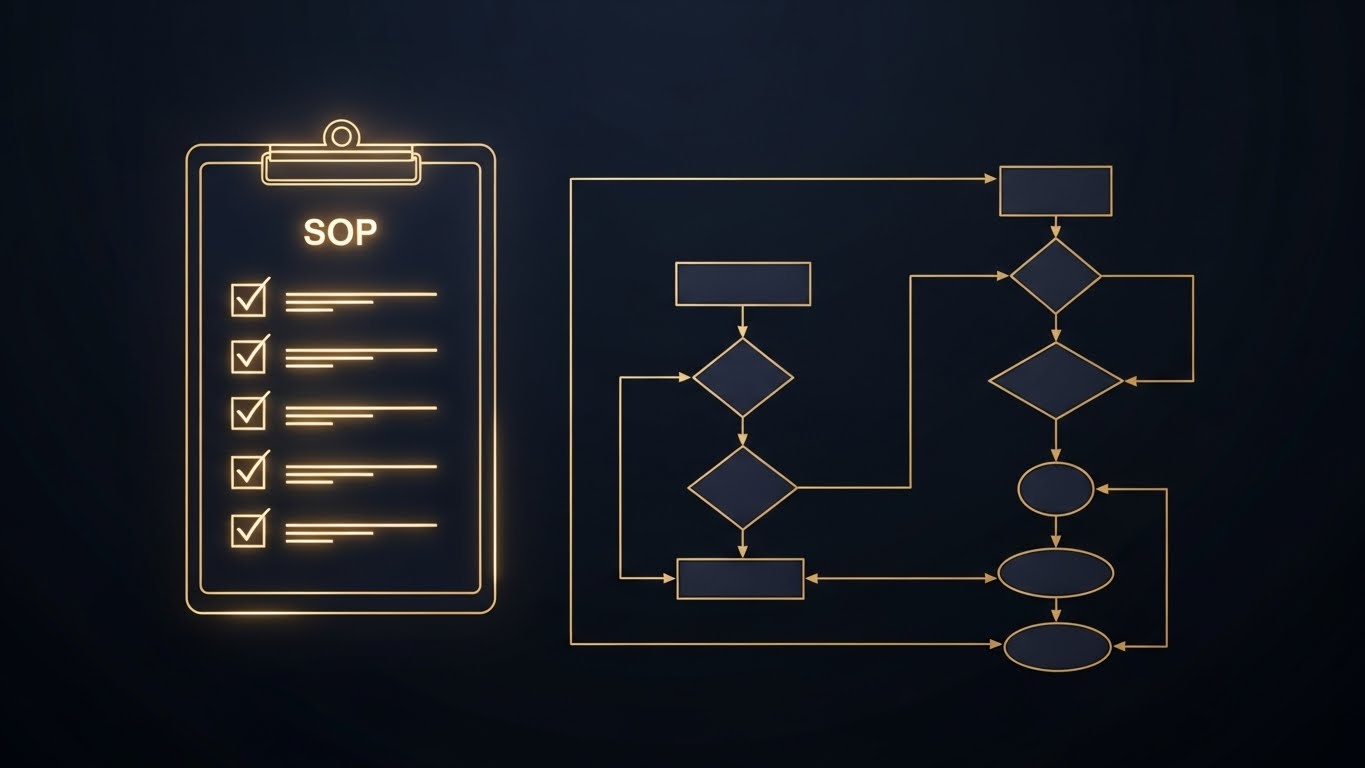
In 2026, clinging to manual accounting processes is like navigating with a paper map in a self-driving car era. Studies show that SMBs leveraging digital accounting automation experience, on average, a 35% reduction in processing costs and a 40% improvement in reporting accuracy, making the shift from manual to automated no longer a luxury, but a necessity.
The Pain Points of Manual Accounting (and Why They Matter)
Manual accounting, while familiar, is riddled with inefficiencies. Think about the endless data entry, the susceptibility to human error, and the time wasted on tasks that could be automated. These inefficiencies directly impact your bottom line and your ability to make informed business decisions.
Costly Errors and Compliance Risks
Manual data entry is a breeding ground for errors. A misplaced decimal point or a transposed number can lead to inaccurate financial statements, incorrect tax filings, and potentially costly penalties. A recent survey revealed that 53% of SMBs still using primarily manual accounting face compliance issues annually, costing them valuable time and resources. Moreover, maintaining compliance with evolving regulations becomes exponentially more difficult without automated systems.
Missed Opportunities for Growth
Time spent on manual accounting is time *not* spent on strategic planning, customer acquisition, or product development. When your team is bogged down in spreadsheets, they can’t focus on the activities that drive growth. Automated systems free up your team to analyze data, identify trends, and make data-driven decisions that fuel expansion. In fact, companies that have embraced digital transformation report a 23% higher profit margin compared to those relying on outdated methods.
Embracing Automation: What’s Possible in 2026?
The digital transformation of accounting isn’t just about replacing spreadsheets with software. It’s about fundamentally changing how you manage your finances, leveraging the power of AI and automation to streamline processes, improve accuracy, and gain deeper insights. Cloud-based accounting software, robotic process automation (RPA), and AI-powered analytics are all playing a crucial role.
Here are some practical steps you can take to begin automating your accounting processes:
- Identify repetitive tasks: Start by listing all the manual accounting tasks your team performs regularly. This could include invoice processing, bank reconciliation, or expense reporting.
- Prioritize automation opportunities: Focus on automating the tasks that are most time-consuming, error-prone, or critical to your business.
- Choose the right tools: Research and select accounting software, RPA tools, and AI-powered analytics platforms that meet your specific needs and budget. Consider cloud-based solutions for accessibility and scalability.
- Implement gradually: Don’t try to automate everything at once. Start with a pilot project and gradually expand your automation efforts as you gain experience.
- Train your team: Ensure your team has the skills and knowledge they need to use the new tools effectively. Provide training and support to help them adapt to the new processes.
The Role of AI in the Future of Accounting
Artificial intelligence is revolutionizing accounting by automating complex tasks, improving accuracy, and providing deeper insights into financial data. AI-powered systems can automatically reconcile bank statements, detect fraudulent transactions, and even predict future cash flow. Furthermore, AI algorithms can analyze vast amounts of data to identify patterns and trends that would be impossible for humans to spot, enabling businesses to make more informed decisions.
For instance, AI can automatically categorize transactions with a much higher degree of accuracy than manual coding, saving accountants countless hours. It can also identify anomalies in spending patterns, alerting you to potential fraud or errors. Companies using AI-powered fraud detection experience, on average, a 60% reduction in fraudulent activity.
Benefits Beyond Efficiency: Strategic Advantages of Digital Accounting
The advantages of digital transformation in accounting extend far beyond simple efficiency gains. By automating routine tasks and leveraging data analytics, businesses can unlock significant strategic advantages. These advantages include improved financial visibility, enhanced decision-making, and increased agility.
With real-time access to accurate financial data, businesses can make faster, more informed decisions about pricing, inventory management, and investment opportunities. Moreover, automated reporting tools provide stakeholders with a clear picture of the company’s financial performance, fostering trust and transparency. According to a recent report, 72% of SMBs that have fully embraced digital accounting report improved financial forecasting capabilities.
Better Cash Flow Management
Automated systems provide real-time visibility into your cash flow, allowing you to track income and expenses more effectively. This enables you to identify potential cash flow problems early on and take corrective action before they impact your business. Early payment discounts can be automated, saving your company money, while late payment reminders can be automatically sent, improving collections.
Improved Collaboration and Communication
Cloud-based accounting software facilitates collaboration among team members, regardless of their location. Everyone can access the same data in real-time, ensuring that everyone is on the same page. This improves communication, reduces errors, and streamlines workflows. Furthermore, secure online portals allow you to easily share financial information with your accountant, auditors, and other stakeholders.
FAQ: Digital Transformation in Accounting
What are the biggest challenges in transitioning to automated accounting?
The primary challenges are often data migration, team training, and initial setup costs. Careful planning and a phased implementation can mitigate these issues.
How much does it cost to implement automated accounting software?
Costs vary depending on the size and complexity of your business, as well as the specific features you need. Cloud-based solutions often offer subscription-based pricing, making them more affordable for SMBs.
Is automated accounting secure?
Reputable cloud-based accounting software providers invest heavily in security measures to protect your data. Look for providers with strong encryption, multi-factor authentication, and regular security audits.
The digital transformation of accounting is no longer a futuristic concept—it’s a present-day imperative for SMBs looking to thrive. By embracing automation and AI, you can streamline processes, improve accuracy, gain deeper insights, and ultimately drive growth. S. C. A. L. A. AI OS provides a comprehensive platform to help you navigate this transformation seamlessly. Start your free trial today at app.get-scala.com/register and unlock the power of AI-driven accounting.
Prova S.C.A.L.A. AI OS gratis per 30 giorni
Inizia Gratis →