💰 Quick Win
Process Analyzer
Bottleneck Analysis: Finding and Fixing What Slows Your Business Down
⏱️ 5 min read
Is your business feeling sluggish, even though you’re putting in the hours? You’re likely experiencing bottlenecks – points in your processes where work slows down or stops altogether. Identifying and eliminating these bottlenecks is crucial; studies show that businesses effectively addressing process inefficiencies see up to a 20% increase in overall productivity.
Understanding Bottlenecks: The Root of the Problem
A bottleneck is any constraint that limits the throughput of your business process. Imagine a highway narrowing from three lanes to one – that’s a bottleneck. In business, it could be anything from a slow approval process to a lack of skilled employees in a specific department. Left unaddressed, bottlenecks lead to decreased productivity, increased costs, and ultimately, dissatisfied customers. In 2026, customers expect seamless and fast service, and bottlenecks directly hinder your ability to deliver.
Identifying Bottlenecks: Where to Look
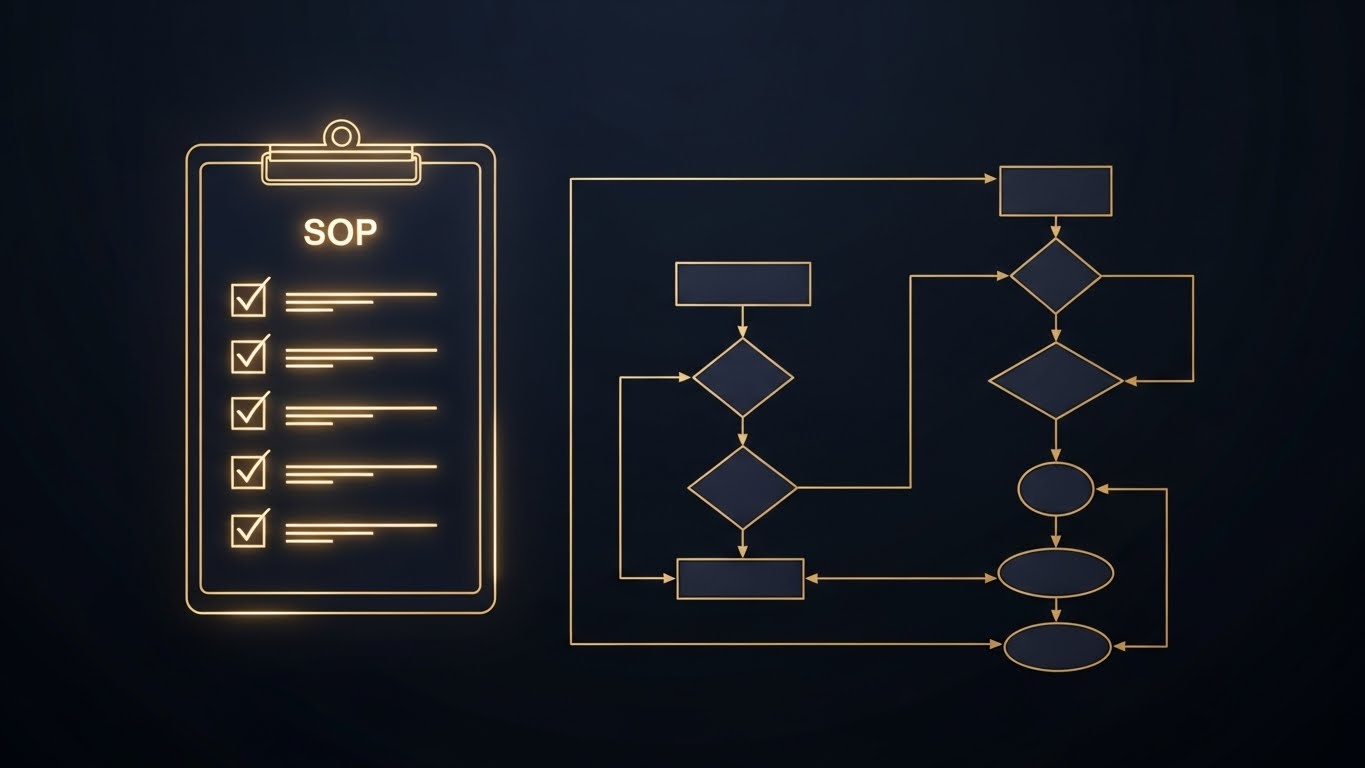
Finding bottlenecks requires careful observation and analysis. Start by mapping out your key processes, visualizing the flow of work from start to finish. Then, consider these key areas:
- Inventory Buildup: Are materials or information piling up at a specific stage? This is a classic bottleneck indicator.
- Long Lead Times: Are projects or tasks taking longer than expected? Investigate the reasons behind the delays.
- Employee Frustration: Are employees consistently complaining about a specific task or department? Their experience can be a valuable source of information.
- Low Utilization Rates: Is a particular machine or employee underutilized while others are overloaded? This suggests a mismatch in capacity.
Tools like process mining software and workflow analysis can automate the detection of bottlenecks by analyzing event logs and identifying patterns of delay. In fact, 67% of SMBs report that adopting process mining has led to significant improvements in operational efficiency.
Analyzing Bottlenecks: Quantifying the Impact
Once you’ve identified potential bottlenecks, it’s crucial to quantify their impact. This involves collecting data to understand the severity of the problem. Consider the following:
- Throughput: How much work is being completed per unit of time? A bottleneck will reduce overall throughput.
- Cycle Time: How long does it take to complete a task from start to finish? Bottlenecks increase cycle time.
- Work-in-Progress (WIP): How much unfinished work is currently in the system? A high WIP level often indicates a bottleneck.
By measuring these metrics, you can prioritize the most critical bottlenecks and focus your efforts on addressing them first. Remember, not all bottlenecks are created equal; some have a more significant impact on your business than others. Companies using data analytics to understand their processes see an average of 15% reduction in operational costs.
Fixing Bottlenecks: Practical Solutions
Addressing bottlenecks requires a strategic approach. Here are some proven solutions you can implement:
- Increase Capacity: Add more resources to the bottlenecked area. This could involve hiring additional staff, investing in new equipment, or outsourcing tasks.
- Streamline Processes: Simplify workflows and eliminate unnecessary steps. Look for opportunities to automate repetitive tasks using AI-powered tools.
- Improve Training: Ensure employees have the skills and knowledge they need to perform their tasks efficiently. Cross-training can also help alleviate bottlenecks by allowing employees to fill in where needed.
- Optimize Scheduling: Adjust schedules to better distribute workload and avoid overloading specific resources.
- Implement Technology: Adopt technology solutions that can automate tasks, improve communication, and streamline workflows. For example, implementing a CRM system can lead to a 29% increase in sales productivity.
AI and automation are proving instrumental in bottleneck reduction. AI-powered scheduling tools can dynamically allocate resources based on real-time demand. Robotic Process Automation (RPA) can automate repetitive tasks, freeing up employees to focus on higher-value activities. Furthermore, AI-driven predictive analytics can forecast potential bottlenecks before they occur, allowing you to proactively address them.
Continuous Improvement: Preventing Future Bottlenecks
Bottleneck analysis is not a one-time fix; it’s an ongoing process. Regularly monitor your processes and look for signs of emerging bottlenecks. Implement a system for continuous improvement, where employees are encouraged to identify and suggest solutions to process inefficiencies. Embrace a data-driven approach, using metrics to track progress and measure the effectiveness of your solutions. In 2026, a culture of continuous improvement is essential for staying competitive in a rapidly changing business environment.
FAQ: Common Questions About Bottleneck Analysis
What if I can’t afford to invest in new equipment?
Start by optimizing your existing resources. Look for ways to improve efficiency through better training, streamlined processes, and improved scheduling. Even small changes can make a significant difference.
How do I prioritize which bottlenecks to address first?
Focus on the bottlenecks that have the biggest impact on your key performance indicators (KPIs). Use data to quantify the impact of each bottleneck and prioritize accordingly.
How often should I conduct a bottleneck analysis?
At least quarterly, but ideally more frequently if your business is experiencing rapid growth or significant changes. Regular monitoring helps you identify and address bottlenecks before they become major problems.
Eliminating bottlenecks is an ongoing journey, but the payoff – increased efficiency, reduced costs, and happier customers – is well worth the effort. S. C. A. L. A. AI OS provides the intelligent automation and process optimization tools you need to identify, analyze, and fix bottlenecks in your business, empowering you to scale effectively. Start your free trial today at app.get-scala.com/register and unlock your business’s full potential.
Prova S.C.A.L.A. AI OS gratis per 30 giorni
Inizia Gratis →