The Definitive Audit Preparation Framework — With Real-World Examples
⏱️ 11 min di lettura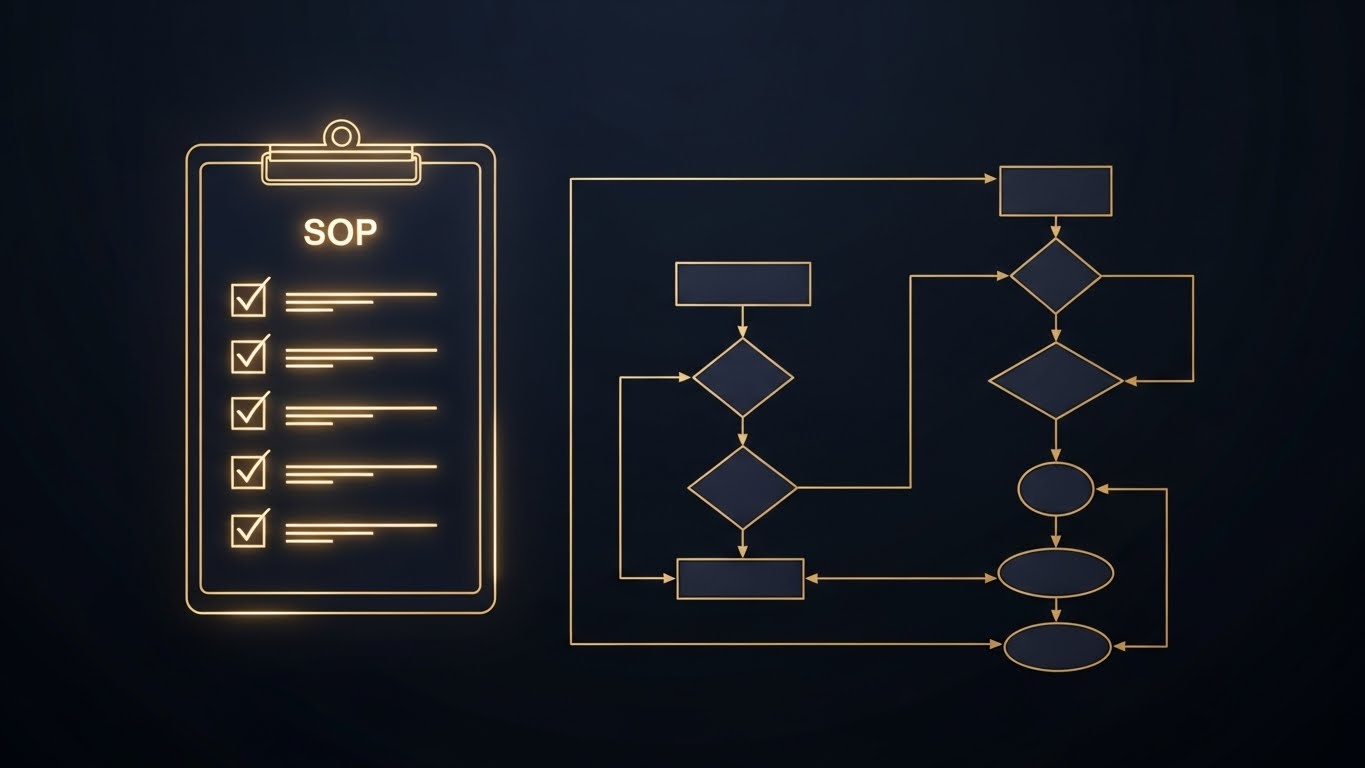
Let’s be blunt: audits aren’t a surprise pop quiz. They’re a scheduled system check, often with high stakes. Yet, SMBs consistently treat them like an unexpected outage, scrambling last minute. This reactive approach isn’t just inefficient; it’s financially detrimental, leading to an average 15-25% increase in audit fees due to disorganization and potential findings that could cost far more. In 2026, with AI-driven compliance and dynamic regulatory landscapes, failing to master audit preparation isn’t just a minor oversight—it’s a critical vulnerability. It’s time to shift from frantic fire-fighting to proactive, engineered readiness.
Why Robust Audit Preparation Isn’t Optional Anymore
Beyond Compliance: Strategic Imperatives
Many view audits as a necessary evil, a regulatory hurdle to clear. This mindset is fundamentally flawed. Properly executed audit preparation isn’t merely about ticking boxes; it’s about validating your operational architecture, ensuring data integrity, and identifying latent process bottlenecks. Think of it as a forced, deep-dive code review for your entire business logic. In an era where data drives competitive advantage, the insights gleaned from a well-prepared audit can inform strategic decisions, enhance investor confidence by 10-20%, and even optimize resource allocation. It’s a strategic asset, not a cost center.
The Cost of Neglect: Real-World Impact
Underestimating audit preparation inevitably leads to increased stress, extended audit timelines, and higher professional service fees. Beyond direct costs, poor preparation can uncover significant deficiencies, resulting in regulatory penalties, reputational damage, and lost business opportunities. Imagine the impact of a security audit revealing critical vulnerabilities that were easily preventable. The average cost of a data breach is projected to exceed $5 million by 2027. Investing upfront in a structured preparation process is a preventative measure, a form of technical debt reduction for your business operations.
Deconstructing the Audit: Types and Scope
Understanding Your Audit’s DNA
Before you even think about gathering documents, clarify the audit type. Is it financial (GAAP, IFRS), operational, IT security (SOC 2, ISO 27001), compliance (GDPR, HIPAA), or environmental? Each has a distinct scope, methodology, and required evidence. Misunderstanding this is like compiling code for the wrong OS—it won’t run. Engage early with your auditors to get a detailed scope document. This isn’t a suggestion; it’s a non-negotiable first step, allowing you to define the boundaries of your preparation efforts precisely.
Defining Objectives and Expected Outcomes
Every audit has specific objectives. A financial audit aims to verify the accuracy of financial statements. A security audit seeks to confirm the effectiveness of controls protecting sensitive data. Articulate these objectives internally. What specific assurances are the auditors seeking? What controls will they test? Understanding the ‘why’ behind each audit item enables focused preparation, ensuring you don’t over-prepare for irrelevant areas or, critically, under-prepare for core requirements. Your objective should be a clean audit report, not just a completed one.
Phase 1: Initial Assessment & Scoping
Establishing the Audit Command Center
Appoint a central audit lead and a core team. This isn’t a side project. The lead should be empowered to coordinate across departments. Define clear roles and responsibilities from day one. In 2026, AI-powered project management tools can automate task assignment and progress tracking, reducing coordination overhead by up to 30%. This central ‘command center’ acts as the single point of contact for auditors, streamlining communication and preventing information silos.
Gap Analysis: Current State vs. Required State
Conduct an internal pre-audit. Compare your existing documentation, policies, and controls against the audit scope. Where are the gaps? Do you have a robust data retention policy for GDPR compliance? Are your access control logs sufficiently detailed for SOC 2? This isn’t about perfection; it’s about identifying deficiencies early enough to remediate them. Leverage AI-driven compliance platforms to cross-reference requirements against your current operational data, highlighting non-conformances with 90%+ accuracy before external auditors even step in. This proactive gap analysis is foundational to effective audit preparation.
Phase 2: Data Aggregation & Verification
Centralizing Your Data Repository
Auditors demand evidence. Your goal is to provide it efficiently and accurately. Establish a secure, centralized digital repository for all audit-related documents: policies, procedures, contracts, financial statements, logs, and evidence of control execution. Cloud-based document management systems with version control are non-negotiable. Ensure data is organized logically, indexed, and easily searchable. A well-structured repository can reduce auditor inquiry time by up to 40%.
Automating Data Extraction and Validation
Manual data compilation is a bottleneck and error magnet. In 2026, AI and Robotic Process Automation (RPA) should be deployed to extract relevant data from ERPs, CRMs, and other systems. Tools can automatically identify and flag inconsistencies or missing data points, reducing manual review by 60-70%. For instance, S.C.A.L.A. AI OS can analyze transactional data streams to ensure compliance with financial reporting standards, flagging anomalies in real-time. This isn’t just about speed; it’s about verifiable data integrity.
Phase 3: Process Documentation & Review
Mapping Core Business Processes
Auditors need to understand how things work. Document your critical business processes, especially those related to financial reporting, data handling, and operational controls. Use clear flowcharts, narratives, and data flow diagrams. This transparency builds confidence and helps auditors quickly grasp your operational landscape. Don’t just list steps; explain the ‘who,’ ‘what,’ ‘when,’ ‘where,’ and ‘why’ for each process. This documentation forms the bedrock of your internal controls framework.
Reviewing Policies and Procedures for Clarity
Are your policies and procedures current? Are they easily understandable by internal staff and external auditors? Outdated or ambiguous documentation is a red flag. Conduct an internal review: identify any policies that conflict, are no longer relevant, or lack clear ownership. Update them. Ensure version control is rigorous. A common finding is “policy exists, but not followed.” This implies a breakdown in training or enforcement, which auditors will highlight. A strong adherence rate to policies can reduce audit findings by 25%.
Phase 4: Risk Identification & Mitigation
Proactive Risk Register Management
Identify, assess, and document potential risks across your operations relevant to the audit scope. This includes financial risks, operational risks, cybersecurity threats, and compliance risks. For each risk, outline existing controls and mitigation strategies. An auditor isn’t just looking for problems; they’re looking for how you manage them. A mature risk register demonstrates proactive governance. Consider using a framework like COSO ERM or ISO 31000 to structure your risk management process effectively.
Implementing and Testing Controls
Controls are your defenses against identified risks. Document them, implement them, and—critically—test them regularly. Don’t wait for the audit. Perform internal control testing, simulating auditor inquiries. Are your segregation of duties effective? Is data access restricted appropriately? Do you have clear approval workflows? Proactive testing can uncover control weaknesses, allowing you to strengthen them before an external auditor does, potentially saving 5-10% in remediation costs post-audit.
Leveraging AI for Predictive Audit Insights
AI-Powered Anomaly Detection
In 2026, AI isn’t just an assistant; it’s a co-pilot for audit readiness. Machine learning algorithms can continuously monitor transactional data, system logs, and user behavior to detect anomalies that might indicate control failures, fraud attempts, or compliance breaches. This predictive capability allows for real-time intervention, preventing issues from escalating into significant audit findings. S.C.A.L.A. AI OS’s S.C.A.L.A. Leverage Module specifically targets this, identifying patterns often missed by human review, potentially reducing material misstatements by up to 70%.
Automated Compliance Monitoring
The regulatory landscape is dynamic. AI-powered tools can track changes in regulations (e.g., new data privacy laws, updated financial reporting standards) and automatically assess their impact on your existing policies and controls. This ensures your audit preparation is always aligned with the latest requirements, eliminating the scramble to catch up. Think of it as a living, self-updating compliance framework, significantly reducing the risk of non-compliance findings.
Building a Cross-Functional Audit Team
Defining Roles and Responsibilities
An audit touches every part of the organization. Therefore, your preparation team must be cross-functional. Include representatives from Finance, IT, Legal, HR, Operations, and Sales/Marketing. Each department owns specific data and processes. Clearly define who is responsible for what documents, who provides explanations, and who approves responses. This distributed responsibility model prevents bottlenecks and ensures comprehensive coverage.
Fostering a Culture of Audit Readiness
Audit preparation isn’t just a project; it’s a continuous state. Promote a culture where data integrity, process adherence, and control effectiveness are ingrained in daily operations. Regular internal training sessions, mock audits, and clear communication channels can transform audit apprehension into routine diligence. When employees understand the importance of their role in maintaining compliance, the entire organization becomes more resilient.
Implementing Continuous Monitoring & Improvement
Beyond Snapshot Compliance
Audits are snapshots. True assurance comes from continuous monitoring. Implement systems and processes that regularly check the effectiveness of your controls. This includes automated log reviews, regular access reviews, and performance monitoring. Don’t wait for the next audit cycle to discover a control has failed. This proactive stance significantly reduces the workload for future audit preparation efforts and strengthens overall governance. This aligns with the principles of Total Quality Management (TQM).
Iterative Process Refinement
Every audit, whether internal or external, provides valuable feedback. Treat audit findings not as failures, but as opportunities for improvement. Implement a structured process for addressing findings, tracking remediation efforts, and verifying their effectiveness. Apply the Kotter 8-Step Change Model to ensure changes are effectively implemented and sustained. This iterative approach ensures your audit readiness posture continuously strengthens, making each subsequent audit easier and more efficient.
The Pre-Audit Dry Run: Simulating Success
Internal Mock Audit Execution
Before the real auditors arrive, conduct a full-scale internal mock audit. Assign internal personnel to act as “auditors” and walk through the entire process: request documents, conduct interviews, test controls. This rehearsal identifies weaknesses in your preparation, tests your team’s readiness, and refines your communication strategy. Treat it as a critical system integration test before deployment.
Reviewing Auditor Information Requests
Auditors typically provide a Request List well in advance. Don’t just glance at it. Break it down. Assign each item to the responsible owner. Create a tracker to monitor progress. For each request, identify the exact document or data point required. Is it readily available? Is it accurate? Is it complete? This detailed review prevents last-minute scrambles and ensures you provide precisely what’s asked, minimizing back-and-forth.
Communication Protocols During the Audit
Structured Engagement with Auditors
Establish clear communication channels. All auditor requests should ideally funnel through the designated audit lead. This ensures consistent responses and prevents conflicting information. Schedule regular check-in meetings with the audit team to discuss progress, address open items, and clarify requests. Transparency and proactive communication build trust and facilitate a smoother audit process.
Managing Information Flow and Confidentiality
While transparency is key, so is confidentiality. Ensure that only authorized personnel provide information. Data shared should be relevant to the request and nothing more. Use secure data rooms or portals for document exchange. Train your team on what information can and cannot be shared, especially regarding sensitive client data or proprietary intellectual property. Data security remains paramount even during an audit.
Post-Audit Action: Learning and Iterating
Addressing Findings and Recommendations
The audit report isn’t the finish line; it’s a new starting point. Thoroughly review all findings and recommendations. Categorize them by severity and impact. Develop a concrete action plan for each, assigning ownership and deadlines. Don’t sweep anything under the rug. Transparency in addressing findings builds credibility and demonstrates a commitment to continuous improvement.
Incorporating Lessons Learned into Future Prep
Conduct a retrospective with your internal audit team. What went well? What could be improved? Were there specific areas of significant effort or unexpected challenges? Document these lessons learned. Update your audit preparation playbook based on this feedback. This iterative refinement ensures each subsequent audit becomes more efficient and less burdensome. Aim for continuous improvement, reducing the manual effort by 5-10% with each cycle.
Tools & Tech Stack for Efficient Prep
Audit Management Software
Invest in dedicated audit management software. These platforms centralize document storage, track requests, manage findings, and automate workflows. They can significantly reduce the administrative burden of audit preparation. Look for solutions that integrate with your existing ERP, CRM, and compliance tools.