The Definitive Audit Preparation Framework — With Real-World Examples
⏱️ 9 min read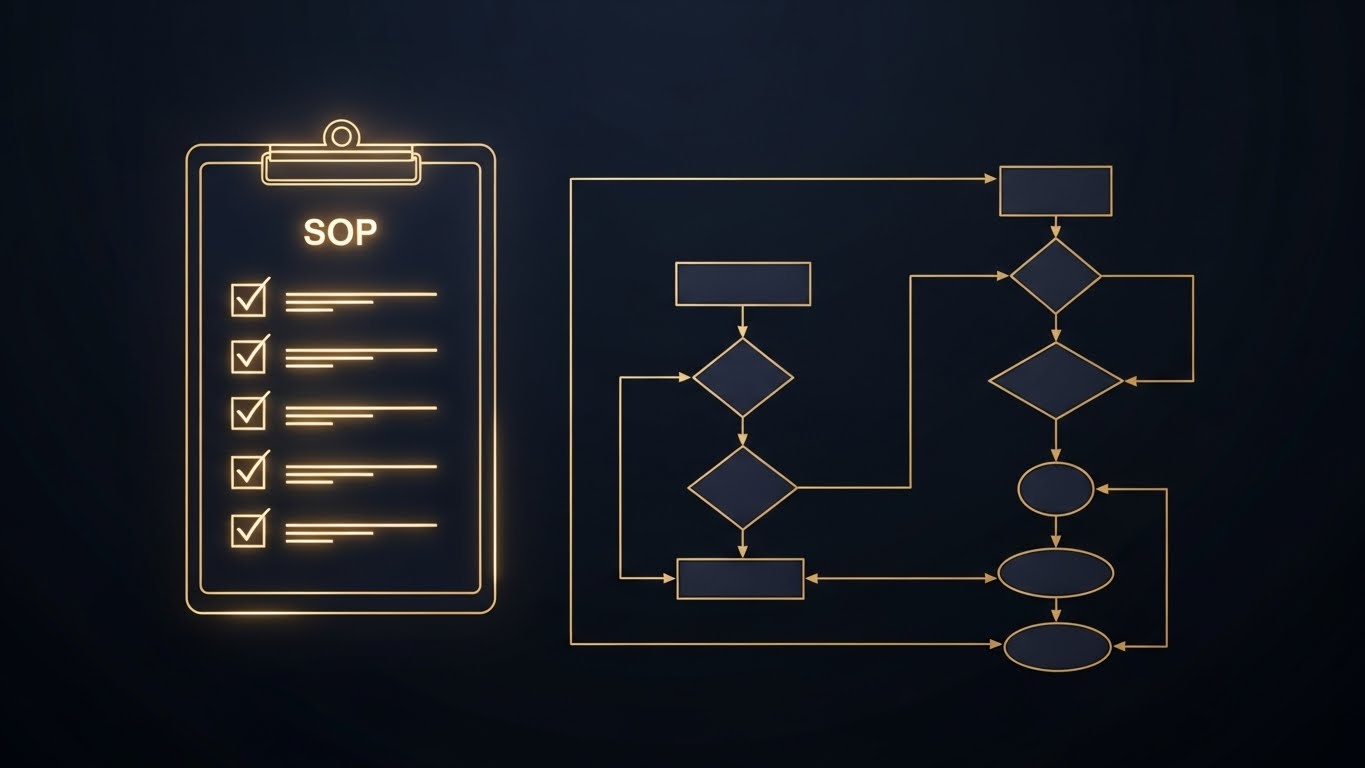
Let’s cut the corporate fluff: audits aren’t just an annual headache; they’re a critical sanity check for your business processes and data integrity. In 2026, with AI-driven operations becoming the norm, a reactive approach to audit preparation isn’t just inefficient, it’s a liability. We’re past the era of last-minute scramble. Your systems should be audit-ready, continuously, by design. This isn’t about bureaucracy; it’s about robust operations and sustained growth. If you’re still relying on manual data pulls and spreadsheet gymnastics weeks before an auditor lands, you’re operating with 2016 tech in a 2026 world.
Understanding the Modern Audit Landscape
Audits have evolved beyond mere financial checks. Today, they encompass data privacy (GDPR, CCPA), cybersecurity (NIST, ISO 27001), operational efficiency, and increasingly, AI ethics and governance. Auditors aren’t just looking at numbers; they’re scrutinizing your algorithms, data pipelines, and decision-making processes. A recent study indicated that 65% of SMBs will face at least one non-financial audit by 2027. Ignoring this trend is like building a house without a foundation.
Beyond Compliance: Strategic Value of Readiness
Thinking about an audit solely as a compliance burden misses the strategic upside. Proactive audit preparation forces a rigorous review of internal controls, identifies operational bottlenecks, and improves data quality. This translates directly into better decision-making, reduced operational costs, and enhanced stakeholder trust. Consider it a compulsory, high-value internal consultation.
AI’s Impact on Audit Expectations
By 2026, auditors are increasingly leveraging AI tools themselves for anomaly detection, pattern analysis, and automated sampling. This means their expectations for your data integrity and accessibility are significantly higher. Manual data aggregation for complex datasets is no longer acceptable; they expect verifiable, real-time access to clean, structured information. Your systems need to speak their language, which is increasingly data-driven.
Defining Your Audit Scope & Objectives
Before you even think about gathering documents, clarify what is being audited and why. Is it financial, operational, IT, or a specific compliance framework like SOC 2 Type 2? A well-defined scope prevents scope creep and wasted effort. Engage with the auditing firm early to get their specific requirements and focus areas.
Pre-Audit Communication with Auditors
Don’t wait for the engagement letter. Initiate discussions about the audit scope, methodology, key contacts, and technology expectations (e.g., data export formats, API access for specific data points). A clear understanding upfront can reduce the audit timeline by 15-20% and significantly mitigate last-minute surprises. Provide a preliminary overview of your existing systems, particularly how you handle data and process transactions. This sets realistic expectations.
Internal Objective Setting: What Do You Want to Learn?
Beyond external compliance, set internal objectives. Are there specific processes you suspect are inefficient? Is there a particular department struggling with data accuracy? Use the audit as an opportunity to gain insights. For example, if you’re undergoing an ISO 9001 audit, aim to identify three key areas for process improvement, not just pass the audit. This transforms a cost center into an improvement engine.
Building Your Core Audit Team
Your audit team isn’t just the finance department. It’s cross-functional: finance, IT, legal, operations, and HR. Designate a lead who understands both the business and the technical aspects of data management. This lead acts as the primary liaison, coordinating information flow and managing timelines. A fragmented team leads to redundant requests and delays.
Assigning Roles and Responsibilities
Clearly delineate who is responsible for what. Use a RACI matrix (Responsible, Accountable, Consulted, Informed) for key audit tasks. For instance, IT might be responsible for data extraction, operations for process documentation, and legal for contractual compliance. This prevents bottlenecks and ensures accountability. Aim for 90% clarity on roles before evidence gathering begins.
Leveraging AI for Team Augmentation
In 2026, your “team” includes AI. Utilize platforms like S.C.A.L.A. AI OS to automate initial data validation, flag anomalies for human review, and even draft preliminary responses to common audit queries. This frees your human experts to focus on complex interpretations and strategic issues, potentially reducing manual review effort by 40-50% for standard data sets.
Leveraging AI for Data Aggregation & Analysis
This is where S.C.A.L.A. AI OS shines. Manual data collection for an audit is a relic. Your systems should be capable of aggregating, normalizing, and presenting audit-ready data on demand. AI can identify relevant data points across disparate systems, ensuring completeness and consistency, often with 99% accuracy if properly configured.
Automated Evidence Collection and Validation
Implement AI-driven tools that continuously monitor transactions and automatically tag relevant data for audit trails. For example, S.C.A.L.A.’s AI can track every change in a customer record, link it to user permissions, and provide an immutable log, making evidence collection seamless. This proactive approach eliminates the frantic search for individual records when an auditor calls.
Predictive Anomaly Detection for Proactive Remediation
AI isn’t just for retrospective reporting. It should be actively scanning your data for deviations from normal patterns – potential fraud, non-compliance, or system errors – *before* they become audit findings. A robust AI system can alert you to a potential issue days or weeks in advance, giving you time to investigate and remediate, transforming reactive cleanup into proactive integrity management.
Establishing Robust Documentation Protocols
If it’s not documented, it didn’t happen – especially in an audit. This extends beyond financial records to include policies, procedures, change logs, training records, and system configurations. Modern documentation isn’t static; it’s dynamic, linked, and version-controlled. Aim for a centralized, accessible documentation repository.
Version Control and Accessibility
Ensure all critical documents are under strict version control. Auditors need to see the exact policy or procedure in effect at a specific date. Cloud-based document management systems with audit trails are essential. Grant auditors read-only access to relevant sections, streamlining their review process while maintaining security. This reduces back-and-forth email chains by 30%.
Linking Documentation to Processes and Controls
Don’t just store documents; link them. When an auditor asks about your expense policy, they should be able to see the policy, the approval workflow, and a sample of approved expenses, all interconnected. This demonstrates a coherent control environment. Consider using internal wikis or knowledge bases that integrate with your operational systems.
Implementing Proactive Risk Assessment
Auditors love to see that you understand your risks and are actively managing them. A robust, ongoing risk assessment process is foundational to effective Risk Assessment and audit preparation. Identify key operational, financial, compliance, and technological risks, assess their likelihood and impact, and document your mitigation strategies.
Continuous Risk Monitoring with AI
Traditional annual risk assessments are insufficient. AI can continuously monitor your environment for emerging threats or changes in risk profiles. For example, an AI system can analyze network traffic for anomalies or identify new regulatory guidance, updating your risk register in near real-time. This allows for dynamic adjustments to controls, improving your security posture by over 20% annually.
Documenting Mitigation Strategies and Effectiveness
For each identified risk, clearly document the controls in place to mitigate it. Furthermore, document how you verify the effectiveness of these controls. Show, don’t just tell. If a control is designed to prevent unauthorized data access, provide logs demonstrating its active enforcement and audit trails of access requests and approvals.
Optimizing Internal Controls with Automation
Strong internal controls are the bedrock of any successful audit. In 2026, many of these controls should be automated, embedded within your business processes, not bolted on. Automated controls are consistent, reduce human error, and provide verifiable evidence.
Embedding Controls into Workflows
Instead of manual checks, integrate controls directly into your operational workflows. For instance, an expense approval system that automatically flags submissions exceeding a certain threshold or lacking proper documentation. This isn’t just about compliance; it’s about operational efficiency. Automating these checks can reduce processing time by 25-30% and significantly decrease error rates.
Automated Control Testing and Reporting
Manual control testing is time-consuming and prone to human bias. Implement automated tools that regularly test the effectiveness of your controls. For example, a system that periodically attempts to breach a security control to verify its resilience or automatically checks if all employees have completed mandatory compliance training. Real-time dashboards showing control effectiveness provide continuous assurance.
Mastering Process Mapping for Audit Clarity
Auditors need to understand how your business operates. Clear, up-to-date Process Mapping provides this visibility. It visually represents workflows, responsibilities, and control points, making it easier for auditors to trace transactions and understand the control environment. Don’t just map current state; map ideal state and note discrepancies.
Visualizing Workflows and Control Points
Use flowcharts and diagrams to illustrate key business processes, from order-to-cash to incident response. Highlight where controls are applied, who is responsible, and what data is involved. This clarity can cut auditor inquiry time by up to 10-15%, as they spend less time trying to understand your operations.
Integrating Process Maps with System Documentation
Your process maps shouldn’t exist in a vacuum. Link them directly to the underlying system configurations, policies, and training materials. An auditor reviewing your customer onboarding process should be able to click from the process map to the relevant CRM workflow in the S.C.A.L.A. CRM Module, then to the data privacy policy, creating a cohesive narrative.
Navigating Regulatory Strategy & Compliance
The regulatory landscape is constantly shifting, especially with evolving AI governance frameworks. Your Regulatory Strategy needs to be dynamic, not static. Staying current on new laws and industry standards is non-negotiable for effective audit preparation.
Staying Current with Evolving Regulations
Subscribe to regulatory updates, participate in industry forums, and leverage AI-powered compliance tools that monitor regulatory changes globally. For instance, S.C.A.L.A. AI OS can analyze legislative updates and highlight potential impacts on your operations, providing proactive alerts. This vigilance can save significant fines; regulatory non-compliance costs can be 2.65 times higher than compliance costs.
Demonstrating Compliance Framework Adherence
Clearly document which compliance frameworks you adhere to (e.g., PCI DSS, HIPAA, ISO 27001). For