💰 Quick Win
Process Analyzer
Agile Methodologies for Non-Software Business Processes
⏱️ 4 min read
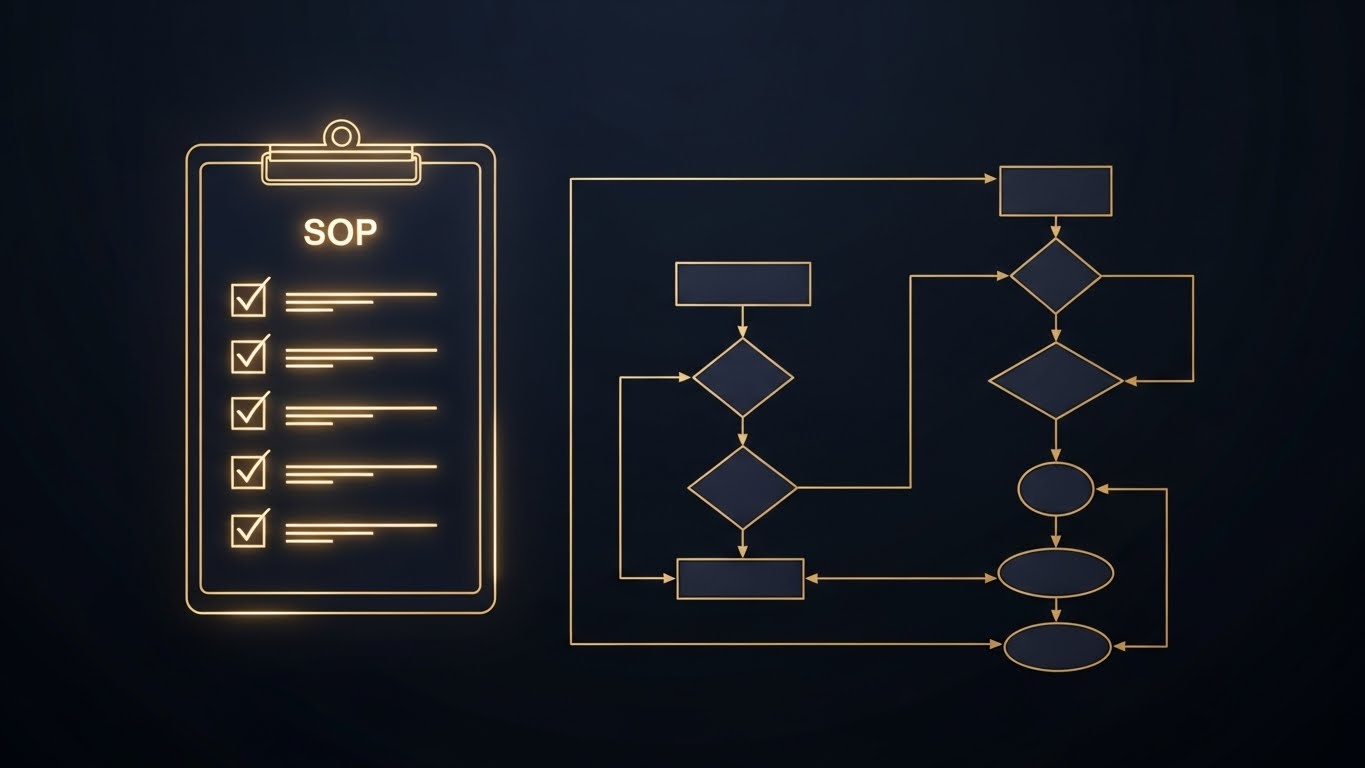
In 2026, agility isn’t just for software developers anymore. 73% of high-performing businesses report using Agile principles in at least one non-IT department, seeing an average of 25% improvement in process efficiency.
Why Agile Works Beyond Software
Agile methodologies, originally designed for software development, emphasize iterative progress, collaboration, and rapid response to change. These principles are surprisingly effective in streamlining various business processes, from marketing campaigns to human resources and even supply chain management. The core concept is breaking down large, complex projects into smaller, manageable sprints, allowing for continuous improvement and adaptation based on real-time feedback.
Adapting Agile to Your Business
The key to successful Agile implementation outside of software is customization. You can’t simply copy and paste a Scrum framework onto your marketing team. Instead, identify the core Agile values—collaboration, customer focus, continuous improvement—and adapt them to your specific needs. For example, instead of daily stand-up meetings, a weekly project check-in might be more appropriate for a sales team. This is where AI-powered analytics can really shine, providing data-driven insights to guide sprint planning and resource allocation.
Applying Agile to Common Business Functions
Let’s explore how Agile principles can revolutionize specific areas of your business.
Marketing and Sales
Traditional marketing campaigns often follow a rigid, linear path: plan, execute, analyze, repeat (eventually). An Agile marketing approach involves shorter sprints, focused on testing different strategies and tactics. For example, instead of launching a massive ad campaign, test several smaller variations and quickly scale the ones that perform best. Companies using Agile marketing report a 40% faster time-to-market for new products and campaigns. This also applies to sales, where A/B testing different sales pitches and onboarding processes can dramatically improve conversion rates. AI-driven tools can automate A/B testing and provide real-time performance data, allowing for quicker adjustments and optimization.
Human Resources
Agile HR focuses on employee empowerment, continuous feedback, and rapid adaptation to changing talent needs. Instead of annual performance reviews, implement regular check-ins and feedback sessions. Use short sprints to address specific HR challenges, such as improving employee onboarding or reducing employee turnover. Implementing Agile principles in HR has been shown to reduce time-to-hire by 15% and increase employee satisfaction by 20%. AI-powered talent acquisition platforms can further enhance agility by automating resume screening and candidate matching, freeing up HR professionals to focus on strategic initiatives.
Customer Service
Agile customer service prioritizes rapid response, continuous improvement, and proactive problem-solving. Instead of simply reacting to customer complaints, use customer feedback to identify recurring issues and implement solutions quickly. Empower customer service representatives to make decisions and resolve issues independently. This approach can lead to a 30% increase in customer satisfaction scores. AI-powered chatbots can handle routine inquiries and provide instant support, allowing human agents to focus on more complex issues and provide personalized service.
Practical Steps for Implementing Agile
Ready to bring agility to your non-software business processes? Here’s how to get started:
- Identify a pilot project: Choose a small, manageable project to test Agile principles.
- Form a cross-functional team: Include members from different departments to foster collaboration.
- Define clear goals and metrics: What do you want to achieve, and how will you measure success?
- Break the project into sprints: Each sprint should focus on a specific goal and last 1-4 weeks.
- Hold regular check-in meetings: Discuss progress, identify roadblocks, and adjust the plan as needed.
- Gather feedback and iterate: Continuously seek feedback from stakeholders and use it to improve your processes.
- Embrace AI-powered tools: Leverage AI to automate tasks, analyze data, and provide insights.
FAQ: Agile Methodologies
What are the biggest challenges of implementing Agile outside of software development?
Resistance to change, lack of understanding of Agile principles, and difficulty adapting software-centric frameworks are common hurdles. Training, clear communication, and a flexible approach are crucial for overcoming these challenges.
How do you measure the success of Agile implementation in non-software teams?
Key metrics include increased efficiency, faster time-to-market, improved customer satisfaction, higher employee engagement, and better quality outcomes. Choose metrics that align with your specific goals and track them consistently.
Is Agile suitable for all types of business processes?
Agile is most effective for projects that are complex, uncertain, and require collaboration. For highly structured and predictable processes, other methodologies might be more appropriate. Assess your specific needs and choose the approach that best fits your situation.
Agile methodologies offer a powerful way to optimize business processes and drive innovation. By embracing iterative development, collaboration, and continuous improvement, businesses can adapt quickly to changing market conditions and achieve significant results. S. C. A. L. A. AI OS provides the AI-powered tools and automation needed to streamline Agile implementation across your organization. Start your free trial today at app.get-scala.com/register and experience the power of intelligent automation.
Prova S.C.A.L.A. AI OS gratis per 30 giorni
Inizia Gratis →