💰 Quick Win
Process Analyzer
Process Improvement Workshops: A Facilitation Guide for Managers
⏱️ 5 min read
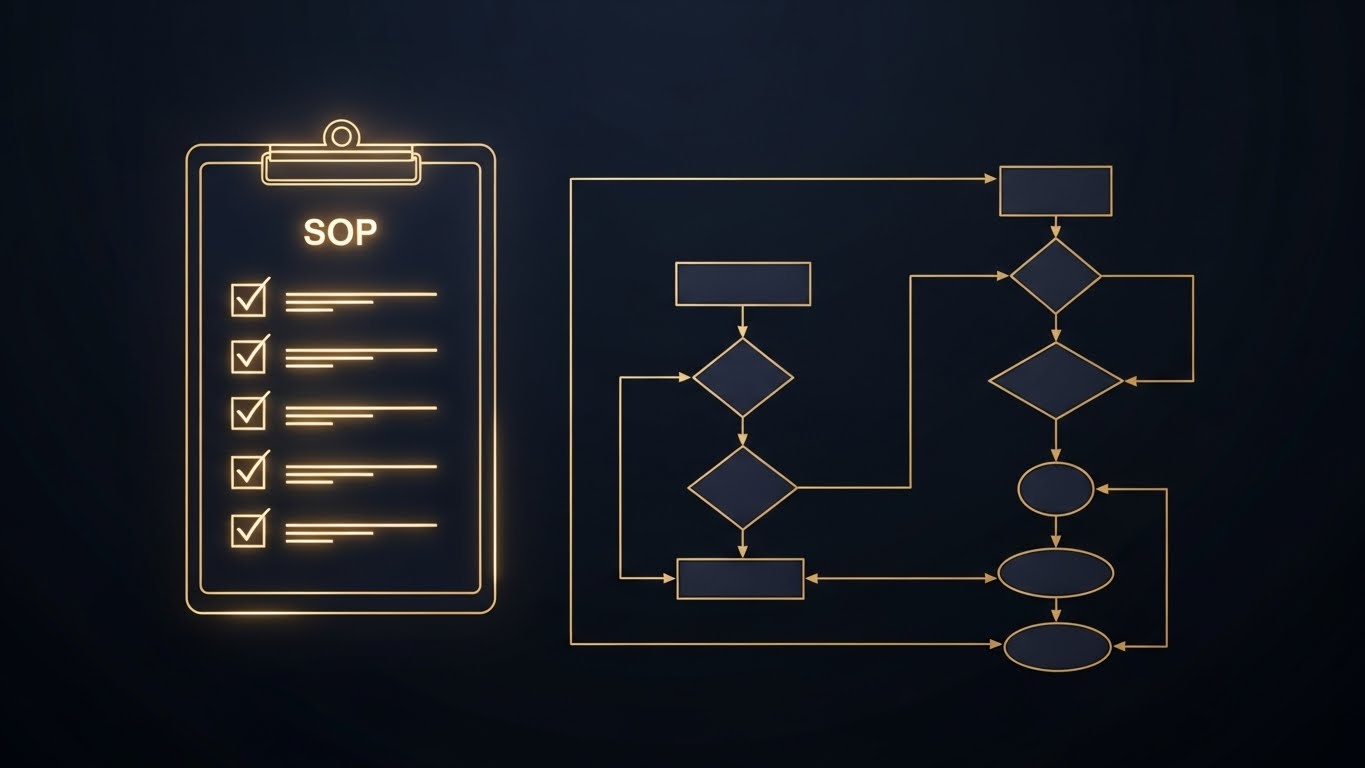
In today’s competitive landscape, process inefficiencies cost SMBs an estimated $1.2 trillion annually. Process improvement workshops, when facilitated effectively, can unlock significant value and boost your bottom line, addressing the inefficiencies holding your business back from scaling to the next level.
Preparing for a Successful Process Improvement Workshop
The foundation of a successful workshop lies in meticulous preparation. Don’t jump into a session without clearly defined objectives and a well-structured plan. Remember, 67% of SMBs report that poorly defined goals are the biggest obstacle to process improvement.
Defining Objectives and Scope
Begin by pinpointing the specific process you want to improve. Is it your customer onboarding, order fulfillment, or lead generation process? Be precise. Then, establish clear, measurable, achievable, relevant, and time-bound (SMART) objectives. For example, instead of “improve customer onboarding,” aim for “reduce customer onboarding time by 15% within Q3 2026.” Scope management is also crucial. Determine what’s included and, more importantly, what’s excluded from the workshop’s focus. This prevents scope creep and keeps the discussion productive.
Selecting the Right Participants
Choose participants who are directly involved in the process being examined. This includes frontline employees, supervisors, and even customers (if appropriate). Diverse perspectives are invaluable. Aim for a group size of 6-10 participants for optimal engagement. Also, select a neutral facilitator with strong communication and problem-solving skills. This person will guide the discussion and ensure everyone has a chance to contribute.
Facilitating the Workshop: Key Techniques
Effective facilitation is the linchpin of a productive process improvement workshop. It’s about guiding the discussion, fostering collaboration, and ensuring actionable outcomes. A recent study shows that workshops with skilled facilitators yield 30% more actionable insights.
- Set the Stage: Start with a clear agenda and reiterate the objectives. Emphasize the importance of open communication and respectful dialogue.
- Process Mapping: Visually map the current process. Use tools like flowcharts or sticky notes. This provides a shared understanding of the current state and highlights potential bottlenecks.
- Identify Pain Points: Encourage participants to identify and discuss pain points, inefficiencies, and areas for improvement. Use techniques like brainstorming and root cause analysis (e.g., the 5 Whys).
- Generate Solutions: Brainstorm potential solutions to address the identified pain points. Encourage creative thinking and avoid premature criticism.
- Prioritize Solutions: Use a prioritization matrix (e.g., impact vs. effort) to select the most promising solutions. Focus on initiatives that offer the greatest impact with the least amount of effort.
- Action Planning: Develop a detailed action plan for implementing the selected solutions. Assign responsibilities, set deadlines, and establish metrics for tracking progress.
Leveraging AI and Automation for Enhanced Process Improvement
In 2026, AI and automation play a vital role in optimizing process improvement workshops. AI-powered process mining tools can automatically analyze data from your existing systems to identify bottlenecks and inefficiencies that might be missed by human observation. This data-driven approach provides a more objective and comprehensive understanding of the process. Furthermore, AI can assist in generating and evaluating potential solutions, predicting the impact of different changes, and even automating the creation of action plans.
Post-Workshop Follow-Up: Implementation and Monitoring
The workshop is just the beginning. The real value comes from implementing the agreed-upon solutions and monitoring their effectiveness. Companies that consistently follow up on workshop action items see a 22% improvement in process efficiency.
Tracking Progress and Measuring Results
Regularly track the progress of the action plan. Use key performance indicators (KPIs) to measure the impact of the implemented solutions. Are you achieving the desired improvements in efficiency, cost savings, or customer satisfaction? If not, identify the reasons why and make necessary adjustments.
Continuous Improvement
Process improvement is an ongoing journey, not a one-time event. Regularly review your processes, identify new opportunities for improvement, and conduct follow-up workshops as needed. Embrace a culture of continuous improvement and empower your employees to identify and address process inefficiencies.
FAQ: Frequently Asked Questions
What if participants disagree on the root cause of a problem?
Encourage respectful discussion and use data to validate different perspectives. Employ techniques like the “5 Whys” to drill down to the fundamental cause.
How do I handle a dominant participant who monopolizes the conversation?
As a facilitator, politely interrupt and redirect the conversation to other participants. Use techniques like “round-robin” to ensure everyone has a chance to speak.
What if we run out of time before completing the agenda?
Prioritize the most critical items and schedule a follow-up meeting to address the remaining topics. It’s better to have a focused discussion on key issues than to rush through the entire agenda.
Process improvement workshops are a powerful tool for unlocking efficiency and driving growth in your SMB. By following this guide, you can facilitate effective workshops that lead to tangible results. S. C. A. L. A. AI OS can further streamline your process improvement efforts by providing AI-powered insights and automation capabilities. Start your free trial today at app.get-scala.com/register and discover how S. C. A. L. A. AI OS can help you scale your business.
Prova S.C.A.L.A. AI OS gratis per 30 giorni
Inizia Gratis →