Crisis Management: Common Mistakes and How to Avoid Them
⏱️ 9 min read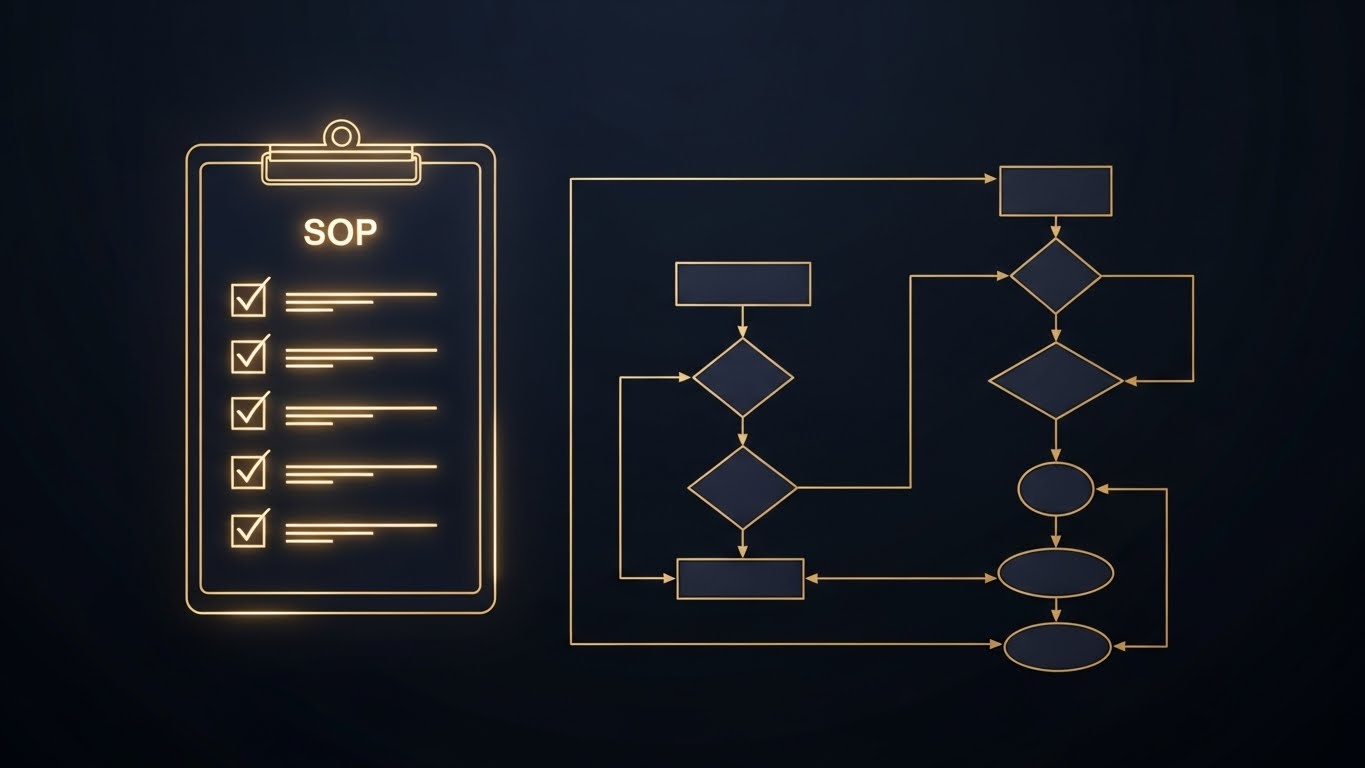
Listen up. You think your business is immune? You think you’re too small, too new, too agile for a real crisis? Let me tell you, I’ve seen startups with killer tech and solid funding crumble overnight because they thought a crisis was something that happened to the ‘other guy.’ Statistics don’t lie: studies show that up to 40% of small businesses never reopen after a major disaster, and a significant chunk of the rest fail within a year. In 2026, with the speed of information and the complexity of digital threats, robust crisis management isn’t a luxury; it’s the bedrock of survival. It’s not about if a storm hits, but when. And trust me, the unprepared get washed away.
The Inevitable Storm: Why Crisis Management Isn’t Optional
Every business, regardless of size or industry, operates on a tightrope. One wrong step, one unexpected gust of wind, and you’re in freefall. I’ve been in the trenches for decades, watching companies navigate everything from product recalls and data breaches to PR nightmares and supply chain collapses. The ones that survive, even thrive, aren’t lucky; they’re prepared. They understand that a crisis isn’t just an event; it’s a test of leadership, resilience, and process. The question isn’t whether your business will face a crisis, but rather how effectively you’ll manage it when it inevitably arrives.
The Silent Killers: Understanding Crisis Triggers
What keeps you up at night? For most entrepreneurs, it’s the unknown. But many “unknowns” are actually predictable. Data breaches are a constant threat, especially with sophisticated AI-driven attacks increasing by 30% year-over-year. A key supplier could go bankrupt tomorrow. A disgruntled former employee could launch a social media smear campaign. A system outage could cripple your operations. Regulatory changes, natural disasters, sudden market shifts – these aren’t black swans anymore; they’re grey swans, lurking in plain sight. Understanding these triggers is the first step in building your defenses. We often call this a ‘threat matrix’ – map out what can go wrong and assign a probability and impact score. It sounds simple, but few do it rigorously enough.
The Cost of Complacency: A War Story
I remember a promising SaaS company, let’s call them “Apex Solutions.” They had innovative tech, great traction. But they were lean, focused solely on product development. Then came the data breach. Not a massive one, but enough personal customer data was exposed to trigger alarm bells. Their initial response? Silence, then denial. They thought they could sweep it under the rug. Within 48 hours, the story exploded on tech blogs. Customers fled, investors got cold feet, regulators came knocking. Their stock plummeted by 25% in a week, and it took them nearly two years to regain their market position. Why? No plan, no designated spokesperson, no clear messaging. Just panic and a desperate attempt to ignore the fire until it engulfed them. The cost of complacency wasn’t just reputational; it was existential.
Building the Fortress: Proactive Planning & Risk Assessment
You wouldn’t go into battle without a strategy, would you? So why would you run a business without a robust crisis management plan? Proactive planning is your armor. It’s about identifying vulnerabilities *before* they become gaping wounds. This isn’t just about identifying external threats; it’s about looking inward. Are your internal processes documented? Is your data backed up? Do you have clear communication channels? In 2026, AI tools can help here, continuously monitoring your digital footprint, supply chain, and even employee sentiment for early warning signs.
Your Battle Map: The Crisis Management Plan
A comprehensive crisis management plan isn’t a dusty binder on a shelf; it’s a living, breathing document. It outlines roles, responsibilities, communication protocols, and predefined actions for various scenarios. Think of it like a playbook. Who talks to the press? Who handles legal? Who monitors social media? What’s the initial holding statement? This plan should include contact lists (internal and external), templates for press releases, social media responses, and internal memos. Make sure it’s accessible – digitally, preferably via a platform like S.C.A.L.A. AI OS – and regularly updated. A good plan can reduce crisis impact by up to 60%.
Scenario Planning: Rehearsing for the Unknown
The best way to prepare for a crisis is to simulate one. Conduct regular tabletop exercises. Pick a scenario – a data breach, a product malfunction, a key executive scandal – and walk through your plan. Who does what? What are the immediate steps? What resources do you need? These drills expose weaknesses in your plan and in your team’s understanding. It’s like a fire drill: you practice not because you want a fire, but because when one happens, you need to react instinctively. This is where a strong foundation in Meeting Management becomes critical – efficient, decisive discussions are paramount when time is ticking.
The Crisis Command Center: Assembling Your A-Team
When the alarm sounds, who answers? A crisis requires a dedicated, empowered team. This isn’t just about assigning roles; it’s about selecting individuals who can think clearly under pressure, make tough decisions, and work collaboratively. Your crisis team should be cross-functional, representing legal, HR, communications, IT, operations, and executive leadership. Clear Team Structure is non-negotiable here; ambiguity in roles is a crisis accelerator.
Leadership Under Fire: Defining Roles and Authority
Every crisis team needs a clear leader – someone with the authority to make swift decisions and delegate effectively. Define primary and secondary roles for each team member. Who is the primary spokesperson? Who is the legal counsel? Who handles internal communications? What is the chain of command? In a crisis, time is your most precious commodity, and a fuzzy hierarchy leads to paralysis. Document these roles meticulously within your plan. This helps avoid the “too many cooks” syndrome and ensures accountability.
The Role of AI in Team Coordination
In 2026, AI isn’t just a bystander; it’s a critical team member. S.C.A.L.A. AI OS can automate initial alerts to your crisis team, instantly bringing everyone onto a shared communication channel. It can provide real-time dashboards showing key performance indicators (KPIs) related to the crisis – customer sentiment, media mentions, operational status. It can even suggest relevant parts of your crisis plan based on the incident type, pulling from a robust Knowledge Management system. This frees up human leaders to focus on strategic decisions rather than information gathering.
The Communication Lifeline: Speaking When It Matters Most
When a crisis hits, silence is the enemy. It breeds speculation, erodes trust, and allows false narratives to take root. Effective communication is the oxygen mask for your business during a crisis. It needs to be swift, transparent, and empathetic. This means having a pre-approved communication strategy for various scenarios, ready to deploy at a moment’s notice.
Crafting the Message: Speed, Honesty, Empathy
Your communication strategy needs to cover internal and external stakeholders. Internally, employees need to know what’s happening and what their role is. Externally, customers, investors, partners, and the media need clear, consistent messages. The golden rule: communicate early, communicate often, communicate honestly. Admit what you know, acknowledge what you don’t, and commit to finding answers. Apologize sincerely if appropriate. Show empathy. A holding statement should be ready within the first hour of a confirmed crisis, followed by more detailed information within 2-4 hours. A company that delays communication by more than 24 hours often sees reputational damage amplified by 150%.
AI-Powered Communication: Reaching Stakeholders Instantly
Imagine your social media channels, email lists, and internal communication platforms all activated simultaneously with pre-approved messages. That’s the power of AI in crisis communication. S.C.A.L.A. AI OS can monitor social media sentiment in real-time, identifying trending topics and influential voices, allowing you to tailor responses. It can draft initial holding statements based on incident data, then distribute them across all relevant channels, ensuring consistency and speed. Automated FAQs can answer common questions, reducing the load on your human customer service teams. This rapid, coordinated response can significantly mitigate reputational damage.
Leveraging AI in the Trenches: Predictive Power & Response Automation
This isn’t just about fancy tools; it’s about competitive advantage. In 2026, AI is no longer a futuristic concept but a practical necessity for advanced crisis management. It shifts your capabilities from reactive firefighting to proactive prevention and highly efficient response.
Early Warning Systems: AI’s Predictive Edge
S.C.A.L.A. AI OS can act as your early warning system. By analyzing vast datasets – market trends, news feeds, social media chatter, operational metrics, supply chain data – it can identify anomalies and potential threats long before they escalate. For instance, sentiment analysis could flag a sudden surge of negative customer feedback about a specific product feature, indicating a looming quality control issue. Or, it could detect unusual activity on your network indicative of a cyberattack in its nascent stages. This predictive capability gives you precious time – often days or weeks – to intervene and prevent a full-blown crisis, or at least prepare for it.
Automating the Response: From Alerts to Actions
Once a crisis is detected or declared, S.C.A.L.A. AI OS doesn’t just send an alert; it can initiate predefined actions. Think about triggering automated system shutdowns, isolating affected network segments, or rerouting customer service calls. It can automatically pull up the relevant section of your crisis plan, assign tasks to team members, and even schedule initial Meeting Management sessions. This level of automation ensures that critical first steps are taken without human delay or error, maximizing your response efficiency and minimizing initial damage. It’s like having an always-on, hyper-efficient incident commander at your side.
Navigating the Aftermath: Recovery and Resilience
Surviving the initial impact of a crisis is just the first hurdle. The real work often begins in the aftermath: assessing the damage, initiating recovery, and rebuilding trust. This phase is crucial for long-term business resilience and demonstrates your commitment to stakeholders.
The Post-Mortem: Learning from the Scars
Once the dust settles, conduct a thorough post-mortem analysis. What went well? What failed? Were our processes effective? Did our communication hit the mark? This isn’t about assigning blame; it’s about learning. Document every lesson. Update your crisis plan based on these insights. Analyze the data – customer churn rates, revenue loss, media sentiment, operational downtime – to quantify the impact and inform future preventative measures. This continuous