How to Implement Risk Management in Your Business: An Operational Guide
⏱️ 6 min read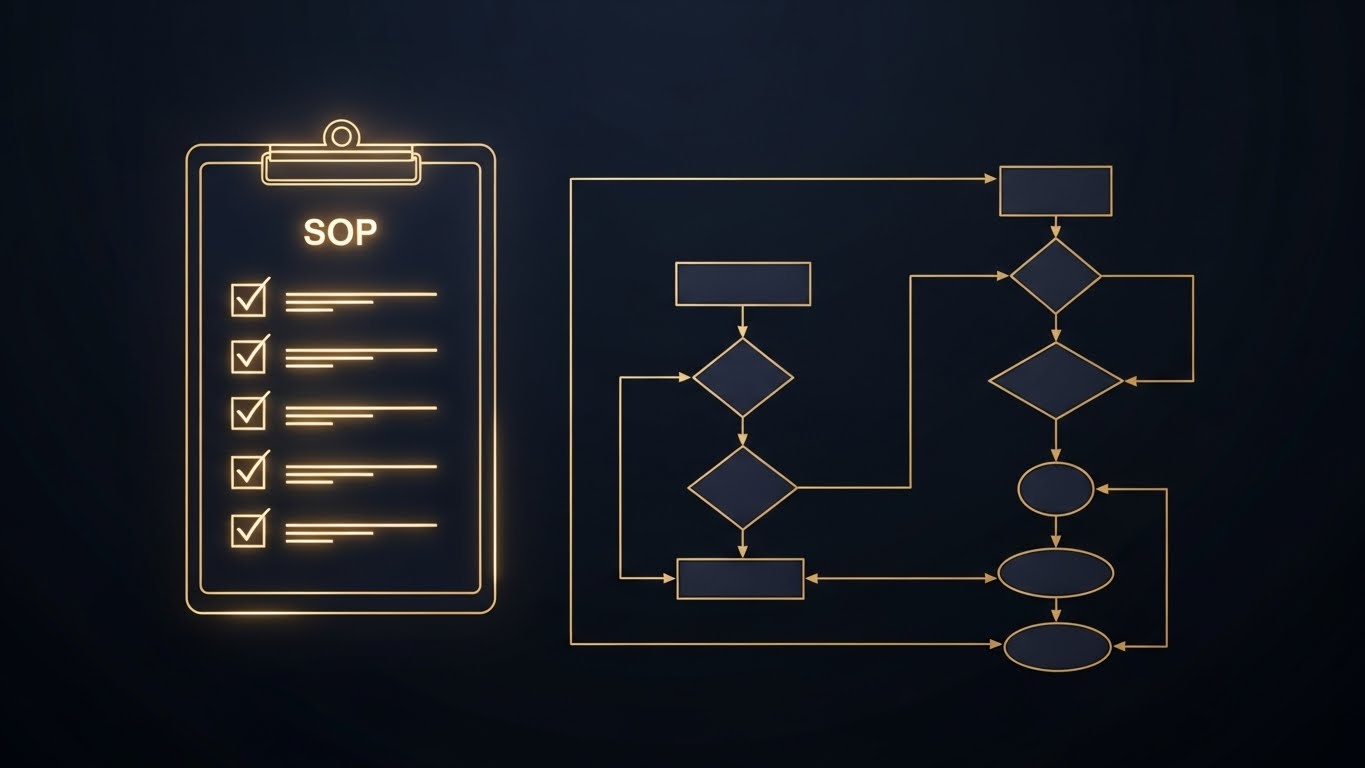
The Imperative of Proactive Risk Management in 2026
The contemporary business environment is characterized by rapid technological evolution, geopolitical shifts, and an ever-expanding digital attack surface. Relying on outdated methodologies for identifying, assessing, and mitigating threats is akin to navigating a high-speed AI-driven vehicle with a 1990s road map—inevitably leading to collision. Proactive, AI-enhanced *risk management* is now a non-negotiable operational standard.
Evolving Threat Landscape & Business Volatility
The sheer velocity and complexity of modern threats demand an adaptive strategy. Consider the 2025 global average cost of a data breach, estimated at USD 4.8 million, or the cascading effects of a single supply chain disruption that can halt production for weeks. Cyber threats are no longer simple phishing attempts; they are sophisticated, AI-augmented attacks capable of penetrating even robust defenses. Operational risks now include nuanced issues like algorithmic bias in AI deployments, data privacy compliance across rapidly shifting regulations (e.g., GDPR 2.0, state-specific AI regulations), and the ethical implications of automation. SMBs, often seen as easier targets due to perceived resource limitations, are particularly vulnerable. A robust risk framework, powered by advanced analytics, allows for the identification of these evolving threats with up to 90% greater accuracy compared to manual methods, transforming abstract threats into actionable intelligence.
The Cost of Inaction: Quantifying Potential Losses
The financial and reputational fallout from unmanaged risks is staggering. Unforeseen operational downtime can cost an SMB thousands per hour. Regulatory non-compliance can result in fines amounting to 4% of global annual turnover. Reputational damage from a single mishandled incident can erode customer trust and market share for years. A systematic approach to *risk management* aims to quantify these potential losses, allowing for a data-driven investment in mitigation strategies. By proactively investing 0.5-1% of annual revenue into advanced risk infrastructure, businesses can reduce the probability of catastrophic loss by an estimated 40-60%, proving that prevention is invariably more cost-effective than recovery.
Systematic Risk Identification: The Foundation of Control
You cannot mitigate what you cannot identify. The first step in any optimized *risk management* process is the comprehensive, systematic identification of all potential internal and external threats. This demands a structured approach, moving beyond anecdotal concerns to documented, categorized risks.
Comprehensive Scanning & Categorization
Effective risk identification necessitates a multi-faceted approach. This includes:
- Process Mapping: Deconstructing every operational workflow to pinpoint vulnerabilities.
- Stakeholder Interviews: Gathering insights from employees at all levels, from frontline staff to senior management, who often have unique perspectives on potential failures.
- Historical Data Analysis: Reviewing past incidents, near misses, and audit reports to identify recurring patterns.
- PESTLE/SWOT Analysis: Applying macro-environmental and internal analytical frameworks to broader strategic risks.
- Checklists & Templates: Utilizing industry-specific risk registers and best practices (e.g., ISO 31000 guidelines for risk categories).
Leveraging AI for Early Warning & Anomaly Detection
In 2026, manual risk identification is inherently limited. AI platforms, like S.C.A.L.A. AI OS, are revolutionizing this phase by autonomously scanning vast datasets—from internal operational logs and financial transactions to external market indicators, social media sentiment, and global news feeds. These systems can identify subtle anomalies and emerging patterns that humans would miss, often weeks or months in advance. For instance, AI can predict equipment failure with 95% accuracy by analyzing sensor data for minute deviations, or flag a nascent supply chain disruption by detecting unusual freight delays or geopolitical shifts. This predictive capability transforms risk identification from a periodic audit into continuous, real-time intelligence, ensuring that no critical threat goes unnoticed for long.
Quantitative and Qualitative Risk Analysis: Prioritizing Threats
Once risks are identified, they must be rigorously analyzed and prioritized. Not all risks are created equal, and an efficient system allocates resources proportionate to the threat level.
Impact-Likelihood Matrix and Risk Scoring
The cornerstone of risk prioritization remains the Impact-Likelihood Matrix. This qualitative tool assesses each identified risk based on two primary dimensions:
- Likelihood: The probability of the risk occurring (e.g., rare, unlikely, moderate, likely, almost certain).
- Impact: The severity of consequences if the risk materializes (e.g., insignificant, minor, moderate, major, catastrophic).
Advanced Predictive Modeling
While the Impact-Likelihood Matrix offers a valuable qualitative overview, advanced *risk management* in 2026 demands quantitative precision. AI-powered predictive modeling, leveraging machine learning algorithms, can perform sophisticated scenario analysis and Monte Carlo simulations. These models can forecast the financial impact of various risk scenarios with a significantly reduced margin of error (e.g., less than 5%), considering interdependencies between different risks. For example, an AI model can simulate the combined effect of a cyberattack coinciding with a key personnel departure and a market downturn, providing a nuanced understanding of potential aggregate losses. This capability allows for more accurate budgeting for risk mitigation and more informed strategic decisions, moving beyond educated guesses to data-backed forecasts.
Strategic Risk Response and Mitigation: Building Resilience
Identifying and analyzing risks is merely preparatory. The true measure of an effective *risk management* system lies in its ability to formulate and execute strategic responses that minimize adverse impacts and build organizational resilience.
Developing Robust Mitigation Strategies
Risk response strategies generally fall into four categories:
- Avoidance: Eliminating the activity that gives rise to the risk (e.g., not entering a volatile market).
- Transfer: Shifting the financial burden or responsibility to a third party (e.g., insurance, outsourcing specific operations).
- Reduction (Mitigation): Implementing controls to decrease the likelihood or impact of the risk (e.g., implementing stronger cybersecurity, diversifying suppliers). This often involves developing clear Standard Operating Procedures (SOPs) and contingency plans.
- Acceptance: Acknowledging the risk and its potential impact, often for low-priority risks where the cost of mitigation outweighs the potential loss.